25th June 2026

Ceasefire monitoring body condemns Wonduruba, Nasir incidents

The Ceasefire and Transitional Security Arrangement and Verification Mechanism has condemned the recent reports of killing and clashes in Nasir County of Upper Nile state and Wonduruba Payam in Central Equatoria State.

Its chairperson Major General Yitaw Gilaw said the monitoring body received reports of clashes between the SSPDF and armed civilians in Nasir.

According to Yitaw, Upper Nile region remains volatile.

Politically motivated violence between the army and local youth has been rampant in the area this year – a situation blamed on the stalled unifications of forces stipulated in the security arrangement.

In July, series of violent clashes started between the army and local youth in Nasir County after an SSPDF soldier was shot while attempting to collect sand from a river.

In a separate incident shortly thereafter, an ambush carried out by unidentified gunmen targeted three officers from the SSPDF who were returning to their barracks.

Meanwhile, on 9th October 2024, at least ten young were killed by armed men in Woundurba Payam of Central Equatoria State.

The local authority said the incident occurred after a military offensive against National Salvation Front forces in the outskirts of the Wonduruba.

Central Equatoria State earlier condemned the incident and pledged to bring the perpetrators to book.

“We have received reports of clashes in Nasir County, Upper Nile state, and civilian casualties in Wonduruba payam, Central Equatoria state. CTSAM-VM condemns these acts and urges the signatory parties to the R-ARCSS to seek peaceful resolution to such issues”, said Yitayal.

The CTSAM-VM is responsible for monitoring, verification, compliance, and reporting on the progress of the permanent ceasefire and transitional security arrangements.
19 youth arrested in Aweil North over alleged criminal acts

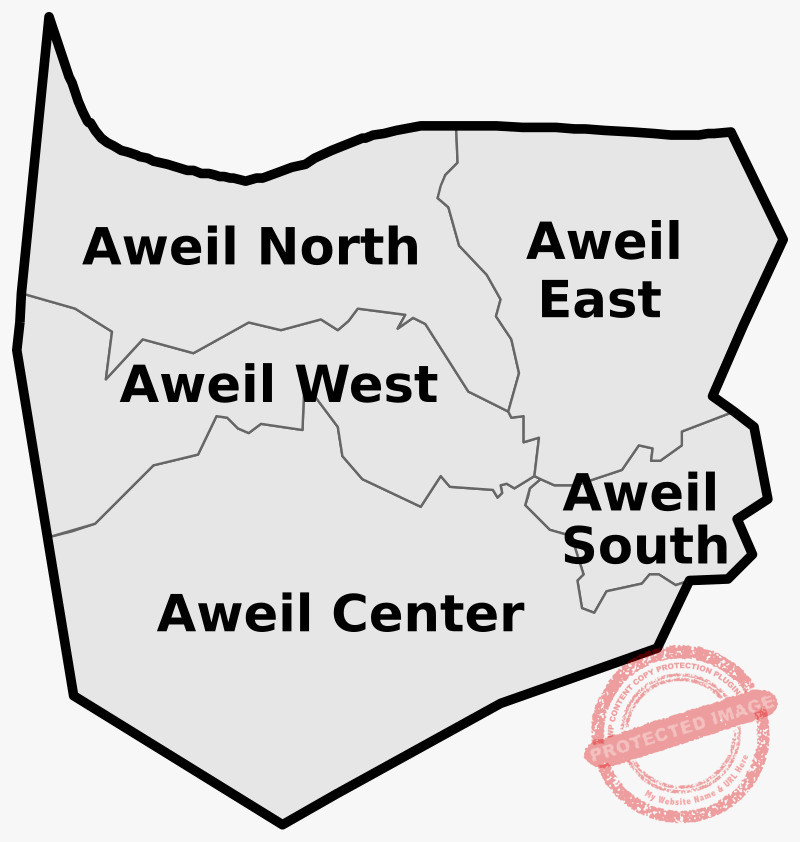
At least 19 youths have been arrested over alleged livestock theft and illegal gambling in Aweil North County of Northern Bahr el Ghazal state.

The County Commissioner Kiir Chan has confirmed the arrest to Eye Radio earlier today.

He said the crackdown between 9:00-11:00 PM on Monday followed incidents of stolen cows and goats in recent days.

According to Chan, the youth were also spotted assembling with knives and machetes

Others were reported involved illegal gambling games.

“The organized forces launched a crackdown in Aweil North County after  phenomenon of stealing cows and goats and assembling of youth using knives and machetes and playing cards and illegal gambling.

“Yesterday (Monday) we did a big crackdown from 9 – 11 pm, a big number of youth were arrested, they are nineteen in number including playing illegal gambling,” he said.

Civil society demands timetable for extended 24-month transition period

The Civil Society Volunteer Task Force on the Implementation of the Peace Agreement has called on the unity government to set a clear and actionable timetable for fulfilling the remaining commitments of the peace agreement within the extended 24-month transitional period.
Continue reading “Civil society demands timetable for extended 24-month transition period”

Yambio man once labeled ‘devil at birth” seeks support

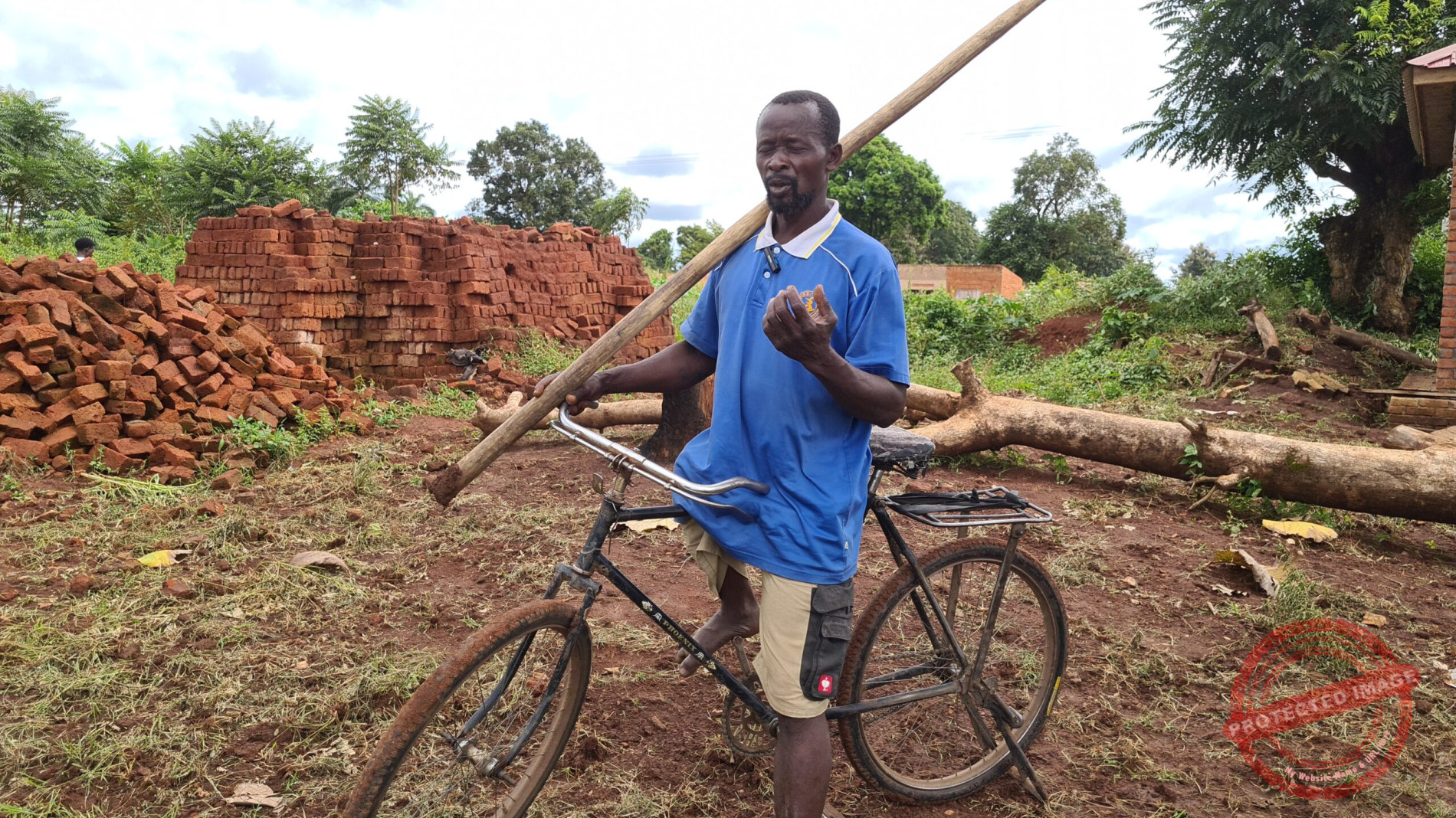
38-year-old Mboringba Luka Ezekiel, born with a leg length discrepancy recalled riding bicycle with nearly 100 kilograms of coffee for five days to Juba in 2005, a business he wants to restart if he is supported with motorbike to cater for his four children, who are out of school.

According to him, days after his birth, his aunt told his mother he was devil and should be placed inside and drown in a stream, but his mother refused.

After growing up, Bandurusa ventured into a small-scale business, frequently riding his bicycle to buy and sell items in Tambura and Ezo, as well as traveling to different towns in neighbouring DR Congo.

Despite dropping out in Primary Six, the 38-year-old father of seven says he resorted to farming.

Speaking to Eye Radio in Yambio town, Bandurusa says that any support from good Samaritans will improve his livelihood and that of his family.

“I am now surviving only on farming, and if I ask somebody for help and the person gives me casual work, I do it, whether it’s digging a pit latrine or laying bricks.

“However, there are some people who fear giving me work because they think I can’t do it, and they refuse to hire me.

“People thought I would never ride a bicycle in my life, but when I prayed to God, within three hours, I learned how to ride a bicycle.

“So, I am appealing to any good Samaritan who can help me with a motorbike. I can ride it, though I don’t know how much it costs because I only know the price of a bicycle.”

Bandurusa believes that supporting him with a motorcycle will enable him to reach far places in a short time and also carry larger goods compared to a bicycle.

Bandurusu also wants support to acquire mechanical training to help him sustain his livelihood.

“The reason I want a motorbike is that it is one of the fastest means of transport to enable me to do the business I used to do.

“I can go to Sakure to buy my palm oil, rice, cassava flour, or coffee and come back quickly without getting tired on the rough parts of the road unlike  a bicycle.

“Also, if there is anyone who can sponsor me or has a place where I can learn how to become a mechanic, I would be happy because I want to learn something that will sustain me.

Rumbek Unv. lecturers vow to continue strike despite a month payment

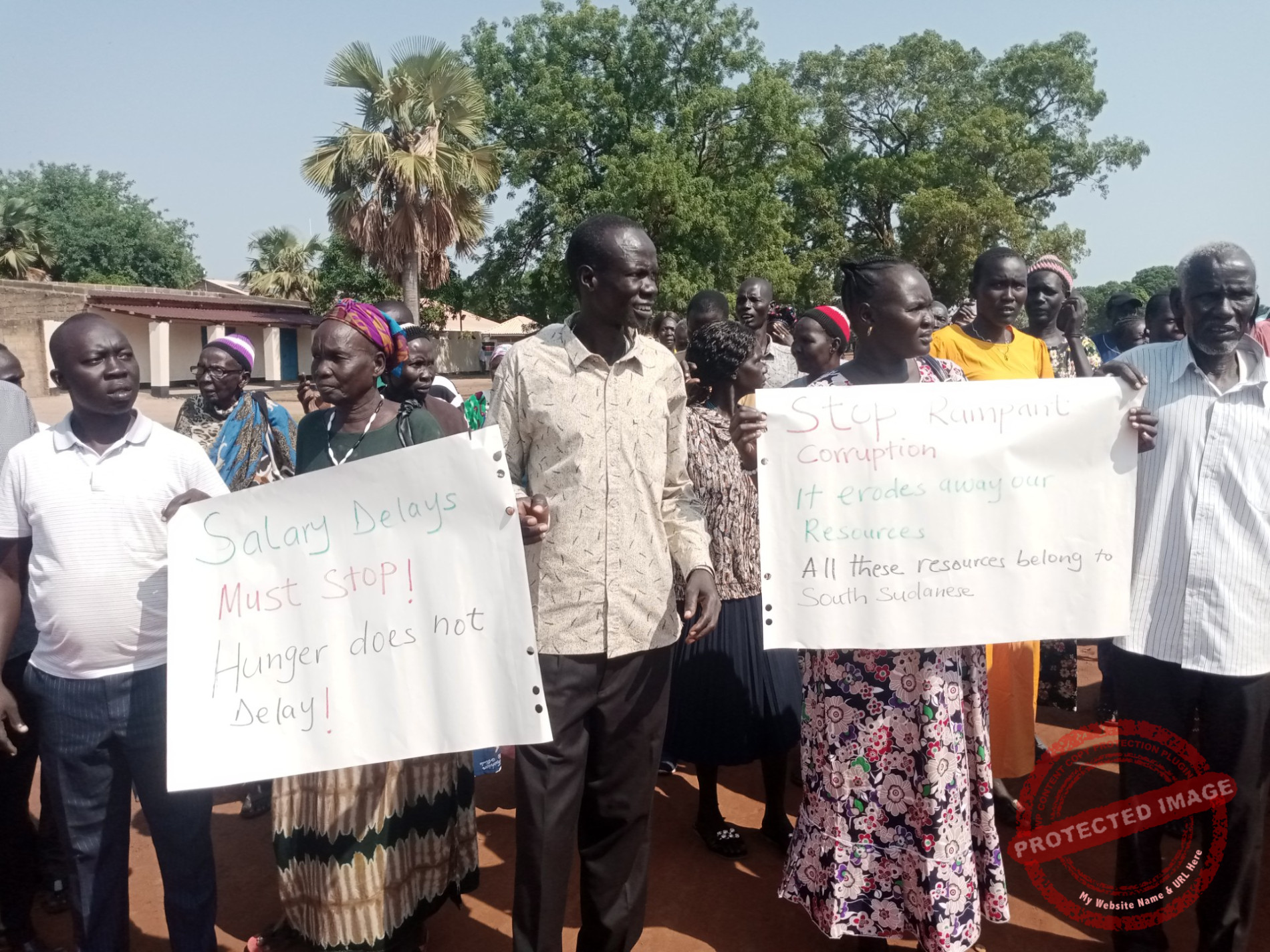
The academic and non-academic staffs of Rumbek University of Science and Technology have vowed to continue with their strike despite having received their one-month salaries.

The civil servants started the strike on October 1st

Kot Manyuon Thuc, Acting Chairperson Rumbek Academic staff Association says they are demanding for 10-month salary arrears to be paid all at once, citing the one-month payment is not enough.

” We received one-month salaries, that’s December’s salary, and it is not enough for us. It doesn’t cover our debts.

“We are waiting for the government to clear all arrears in order for us to think of resuming a new year of academic activities. They (University administration and the government) have been silent”, he said.

Manyuoun added they have run out of patience and will not resume work in the new year academic calendar until all their dues are fulfilled.

“What we know there is nothing which is lacking in the government. We pay our taxes. Let’s say the revenue is flowing, and the government is getting funding from international financial organizations in the name of South Sudanese, and in the name of all civil servant,s and here we don’t know happened.

“We are not going to change our position this time around. We are continuing demonstration and stay without work.”

Kok Jacob Gok, teaching assistant at Rumbek University of Science and Technology confirmed receiving  a month salary three days ago, but said the money is not enough to cover his needs.

“This one is not enough to cover all our needs. We have children who are in need of school fees . We have a lot of flood and there are waterborne diseases, and our children are suffering and we are not being allowed to get loan in the market”, he said.

Meanwhile, Dut Majok who is Chairperson of Non-academic staffs Association Rumbek University says he will report to work as long as the arrears are not cleared.

However, he said if the government pays up to at least for six months, they will compromise and return to work.

” Of course if we receive 6 months and above, than we will just compromise,” he said.

Meet South Sudanese-born Natalina who receives Global Humanitarian Award

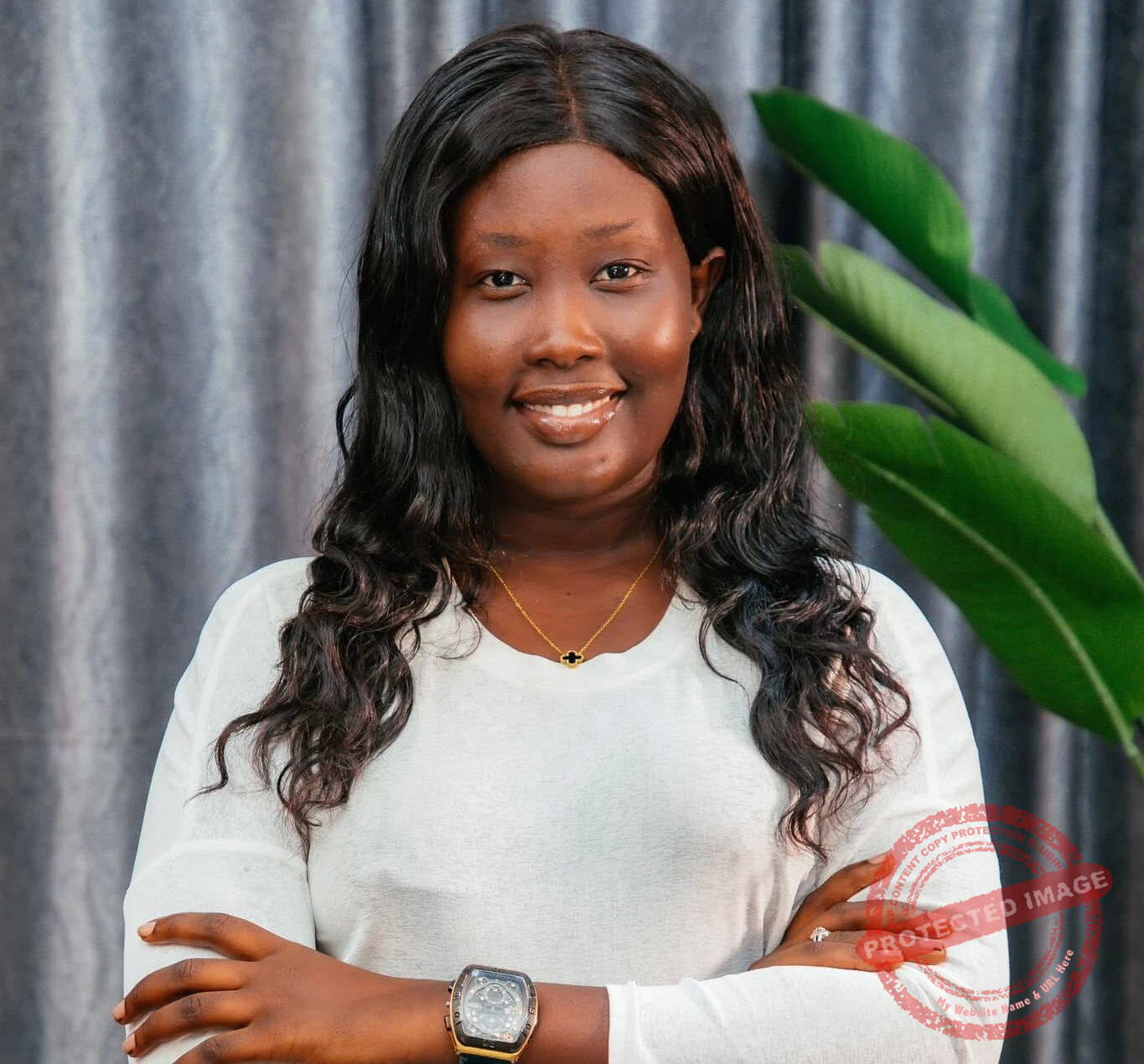
Natalia Mimi Alex was awarded the Red Cross Movement Family Link Medal last evening in Geneva, Switzerland.
Natalia, a Restoring Family Links (RFL) officer, works with the South Sudan Red Cross (SSRC) in Yambio branch.
Natalia has been reconnecting and reuniting families separated by conflicts or other situations of violence. In Yambio, a region impacted by conflicts that have led to numerous displacements and hundreds of missing persons, her role has been invaluable.

“The RFL work I do fills me with purpose and gratitude. It is more than a job, it’s a mission to restore hope to families torn apart by conflict. Reconnecting loved ones not only brings people together but heals communities and restores a sense of belonging. The profound impact of this work, even in the darkest moments, reignites hope and helps rebuild society,” Natalia said as she received the medal.

The Family Link Medal was created by the Red Cross Council of Delegates in 2022 to pay special tribute to staff and volunteers who work, often under the most difficult circumstances, to maintain or restore contact between separated family members, search for their loved ones, or reunite families separated by conflict, disaster, migration, or other humanitarian situations.

Natalia became a key pillar of the SSRC’s RFL efforts in Yambio Branch.

Together with the ICRC, she conducted tracing efforts for missing persons in the aftermath of several conflicts, including clashes that erupted in Tambura and Ezo between communities in the year 2018 and 2021.

These efforts enabled 150 people to write and send Red Cross Messages to their loved ones, and 50 people were successfully traced and reconnected with their families using RFL Mobile Phones.

As conflict in the Democratic Republic of Congo (DRC) led to an influx of displaced people seeking refuge in South Sudan’s Makpandu Refugee Camp in Yambio, Natalia also supported the establishment of a community relay in partnership with the ICRC to trace missing family members across borders.

Through these efforts, five children from DRC were reunited with their families in Ezo County.

Natalia’s recruitment was a turning point for the SSRC’s RFL efforts in the region.

Her dedication and expertise have provided essential support to the most vulnerable, offering hope and reuniting those affected by conflict and displacement.

Her dedication to Restoring Family Links (RFL) work is driven by her commitment to strengthening her capacity to respond to emergencies.

This award not only recognizes Natalia’s personal contributions but also highlights the efforts of the South Sudan Red Cross and the Red Cross Movement in South Sudan. Currently, the South Sudan RedCross and ICRC are working closely to restore family links of people who fled to South Sudan from Sudan and other places.

Block leaders in Juba’s Jondoru suburb decry insecurity, lack of basic amenities

Local leaders of the Jondoru West in Juba suburbs have decried poor roads, gang-related criminal activities and lack recreational grounds for youths in the area.

On August 11th, residents of Jondoru said gang groups stormed the area, harassing and robbing them of valuables.

Despite the deployment of a join security operation, gunmen continue to pose threats.

Area leader of Jondoru Block Five, Maria Ali said her block had in recent months experienced robbery cases by armed men but the cases subsided due to deployment of a joint operation in the area.

“In my block, we had a lot of criminal activities, there were armed robbers who break into houses and rob properties and the locals cannot follow the cases up because these individuals are armed, and this mainly happens during rainy season.

“There are also gang groups that attack people and we do not know where they are coming from or to who.”

On the issue of security, representative of Korok residential area Mark Ngor called for more security.

“There was no insecurity but no we have it. We thank the government for that and we hope security will reach other areas so that there is protection.

“When there are gang groups or criminals,  the community is unable to intervene, so there is need for presence of police in the area. We want our government to stand with us in the block 7 on this concern”, he laments.

Although the crimes have reduced, the area still faces other challenges including playgrounds to engaged the idle young in sport activities to deviate them from violence, according to David Ukanga who is the Chairperson of Jondour West Quarter Council.

“Let the government stand with us, we wrote many requests on issues of roads, issues of women and health and Jondoru playgrounds that are occupied by powerful people because youths do not have sports activities.

“As a block leader, you cannot do anything since the places have been developed, and we also want water to reach to us”, said Ukanga.

Tito Butrous who is the leader of Jondoru Korromula block laments the lack of roads which is hindering the resident’s access to hospital during emergencies.

“In my area, we do not have roads and when a woman wants to give birth there are no roads for us to take that women with a car or ambulance to the hospital. Even roads for water is  to reach our houses are not there.

“We raised the concern to the authorities in charge on the issue of water, but until today there is no response.”

For her part, Women representative of Jondoru, Sarah John said despite the presence of the joint operation forces in the area, there are still pockets of armed robbers.

“At night there is a new phenomenon, after the gang groups attacked the area they go hiding in a building in the area.

“There is a slide change after the deployment of a joint operation but the criminals are following the time the forces are checking the area, and come after they leave.”

Jondoru was one of the peaceful residential area in Juba over the years, but due to the growing population the area this year encountered intermittent criminal activities in which many innocent civilians lost their lives to gun violence.

How Lakes women transformed once notorious Gelweng into peace lovers

Communities in Greater Rumbek of Lakes State have reported relative peace and stability due to reduction in cattle and revenge-related violence following four years of steady grassroots peace-building initiatives, thanks to Peace Cananal.

Lakes State Peace Canal, with funding from the UK government had embarked on t peace-building activities after carrying out a research to establish the root causes of inter-communal conflicts in greater Rumbek

Mary Arun Gol, who Lakes’ Coordinator for Peace Canal said cattle theft, revenge killing and competition for resources such as grazing land and water, were the major drivers of insecurity in the state.

According to her, women and girls were the most affected due to the insecurities due to the situation.

After establishing the root causes, Arun said the UK government offered to support a peace building project, enabling the organization to conduct pre-dialogues, and annual cattle migration conferences.

The project has transformed the one-time notorious armed youth group locally named as the Gelweng into peace-building agents.

“We formed a group of 45 members, and called them “peace group” (Akut-de door), and those are grassroots level peace committees across Dinka Agar who are now the major beneficiaries, and they have trained more Gelweng youth, not only themselves.

“They didn’t keep that knowledge for themselves, but they also trained young youth who  joined the peace process. The other beneficiaries are women, particularly the most affected women like the widows.”

According to Ms. Arun, Greater Rumbek has for the last two-to-three years has experienced relative peace and stability.

She said women and girls can now move freely during day and night time without fear of being harm.

“Another achievement we have, women and girls can now walk at night which was very rare those days, cattle theft and raiding have reduced, and there’s no more revenge killing in Lakes State specially in Dinka Agar.

The project, according to Arun not only conducts dialogue but also support livelihoods by engaging survivors in farming activities

Ms Arun said the aim of the project is bring about durable peace in the communities.

“What I can tell to my South Sudanese people, they should involve women in peace building processes not only to participate but to also have a vision to participate meaningful in all peace building and decisions-making processes in order to have an everlasting peace across South Sudan,”

8,100 Juba households connected with pipe water, says SSUWC

The manager of Juba water station has told Eye Radio his institution is expanding the house-to-house water system asmore than 8,100 households have connected in the city since the project was started in February, 2024.

In February 2024, the government plans to connect 8,100 households in Juba with clean-running water by June this year after securing funding from the African Development Bank to rehabilitate the old water pipelines and taps in parts of the city.

The facility with a capacity of 7,200 cubic meters is expected to be completed in June, according to Yar Paul Kuol, the Managing Director of the South Sudan Urban Water Corporation.

Te water system supplies tap water was to connect households in Juba town, Malakia, Kator, Hai Thoura, Juba Na Bari, and Munuki.

Speaking to Eye Radio on Monday, Engineer Leon Louis described the progress achieved as a significant milestone for Juba residents.

He said that his office is yet striving to extend the network across the city.

Mr Louis called on those who were around the water station network to connect their houses.

“We will strive to extend the network, in this network we need to do replacement of the old network with the new network in which we connected 8100 houses.

“Those who have the old services, we connected them with new water pipelines. I want to give this good news to our citizens that we have reached  8100  houses,” he said.

The public relations officer of South Sudan Urban Water Corporation Santos Simbe has urged Juba residents to register and have their houses connected to the water system.

“Any house with a meter this is the person that we need him or her to come to our office and complete the registration”, he said.

The current water supply in Juba is far below the demand of the city’s growing population.

According to Yar Paul Kuol, Managing Director of the SSUWC, the city needs a 200,000 cubic meter treatment plant to meet the needs of its approximately 2 million residents.

Support Eye Radio, the first independent radio broadcaster of news, information & entertainment in South Sudan.

Make a monthly or a one off contribution.