UN warns of ‘hidden human cost’ after discovery of burial sites in Jonglei State
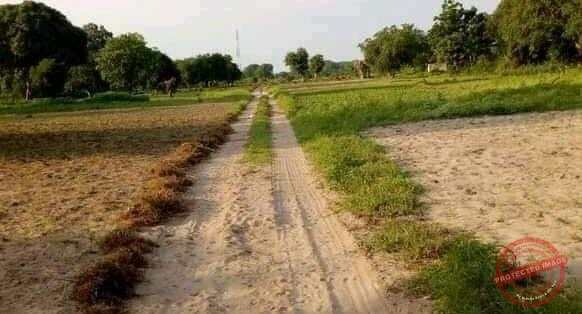
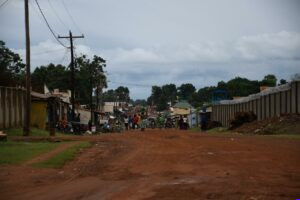
The UN Commission on Human Rights in South Sudan has raised an urgent alarm following reports of human remains discovered during roadwork in Jonglei State.
The Commission warns that the findings may indicate that the true human cost of recent renewed violence is significantly higher than previously recorded.
While initial reports suggest the remains could be combatants from earlier clashes, the Commission has not ruled out the possibility that the sites contain civilians or victims of serious international human rights violations.
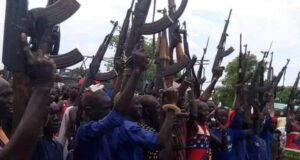
The discovery comes as intense fighting continues to plague the region, particularly around Akobo, where territory has recently shifted between the South Sudan People’s Defence Forces (SSPDF) and SPLA-IO elements.
Yasmin Sooka, Chair of the Commission, described the reports as “deeply troubling,” noting that unmarked burial sites often mask a darker reality of unaccounted-for suffering.
“The possibility that victims may be buried in unmarked sites points to an even more disturbing reality — one in which the full extent of suffering is being hidden, and potentially where unlawful killings or enforced disappearances have not been accounted for,” Sooka stated.
The Commission is demanding that the government and relevant authorities secure these sites immediately. They emphasized that any investigation must follow the Minnesota Protocol, an international standard for investigating potentially unlawful deaths.
Commissioner Barney Afako warned that improper handling of the sites could destroy vital forensic evidence needed to establish criminal and command responsibility.
“When conflict intensifies in this way, with limited transparency and weak accountability, there is a real risk that serious violations are occurring beyond public view,” Afako said, calling for urgent political intervention to prevent further atrocities.
Beyond accountability, the Commission highlighted the emotional toll on South Sudanese families. Commissioner Carlos Castresana Fernández reminded authorities that identifying the deceased is a binding legal duty, not a choice.
“Families have the right to know the fate and whereabouts of their relatives, and to have their remains treated with dignity,” Fernández said. “Failure to do so risks entrenching impunity.”
The Commission concluded by calling on the South Sudanese authorities to grant independent investigative bodies and international forensic experts immediate access to the sites to ensure a transparent and impartial verification process.