


South Sudan church leaders warn elections could worsen insecurity
South Sudan’s church leaders have warned that holding the planned December 2026 elections without addressing insecurity, political divisions and gaps in the legal and electoral framework could worsen violence and deepen national fragmentation.
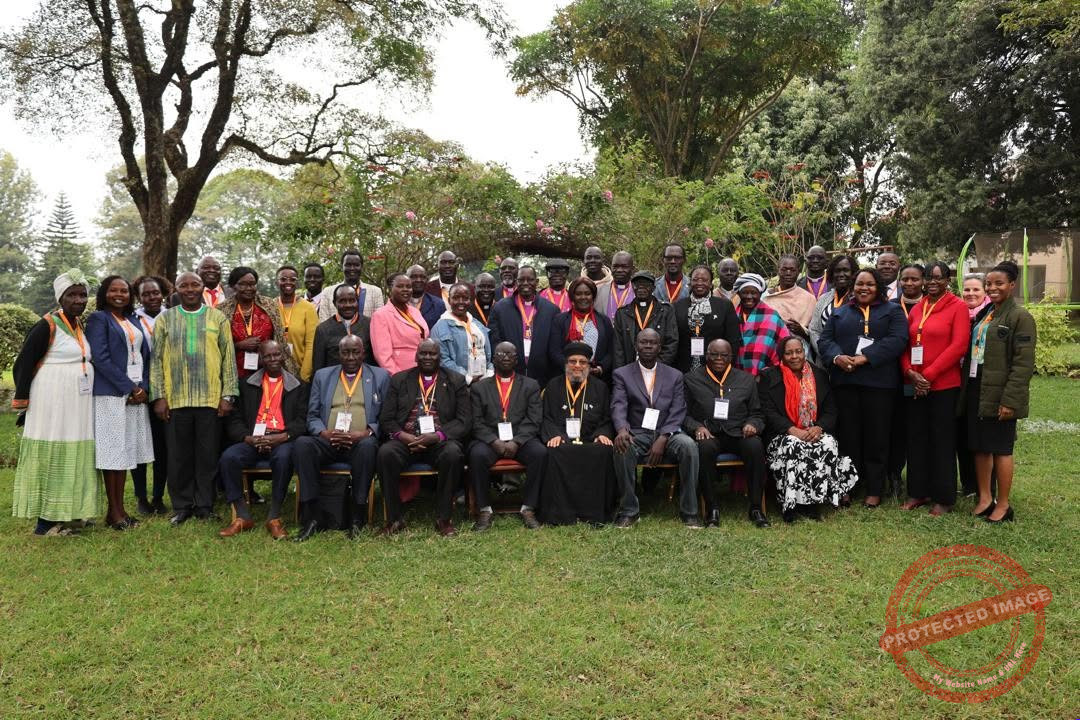
The warning is contained in the Limuru Pastoral Statement, issued on August 7 after a four-day retreat by South Sudanese church leaders in Limuru, Kenya.
The leaders said they support ending the country’s prolonged transitional period, but caution that elections must be properly prepared to prevent a new cycle of instability.
They say South Sudan faces a difficult choice between ending the transition and ensuring that elections do not become a source of further conflict.
“The dilemma is that — on the one hand, there is an urgent desire to conclude the transition period and establish a legitimately elected government, while, on the other hand, there is the equally important responsibility to ensure that the electoral process does not contribute to insecurity, injustice and national fragmentation.”
The church leaders identify widespread insecurity, armed groups, proliferation of small arms and light weapons, and the incomplete unification and professionalization of security forces among their major concerns.
They also pointed to gaps in the constitutional and legal framework, limited civic and voter education, inadequate electoral preparations and restricted political and civic space.
The leaders warn that unresolved political and social tensions could make the election period particularly volatile.
“The risk that continued political mistrust, ethnic polarization, unresolved grievances and weak institutions could turn electoral competition into a new source of violence.”
They also raise concern over the continued detention of political detainees, saying it could undermine efforts to create an inclusive political process.
“The continuous arbitrary detention of political detainees may jeopardise the process of inclusive dialogue.”
The statement comes as the government moves ahead with preparations for the December 22, 2026 general elections, including a recent Cabinet approval of a constitutional amendment bill intended to provide the legal framework for the polls.
The church leaders called on the government and political actors to protect civic and political space, pursue inclusive dialogue and urgently address the legal, constitutional, security, administrative and institutional conditions required for credible elections.
They also commit to expand peacebuilding, national healing and reconciliation through community dialogue, early-warning systems, civic education and faith-led mediation.
The leaders say women and young people must have meaningful roles in the peace process and political transition.
“Women and young people must not be treated merely as beneficiaries.”
They say they will work through church structures, including women and youth networks, to strengthen civic education, early warning, mediation and community dialogue.
The church leaders are also urging South Sudanese citizens to reject violence, hate speech, tribalism and revenge.
“The people of South Sudan — within the country, in refugee settlements and throughout the diaspora — [should] reject violence, hate speech, tribalism and revenge.”
The leaders say the Church will continue engaging the government, political and politico-military actors, regional organisations and international partners in an effort to support a peaceful transition.
They conclude that the transition should not simply transfer political power but should help consolidate peace, strengthen institutions and advance national healing.
“May it become a pathway for consolidating peace, advancing national healing, strengthening accountable institutions, safeguarding human dignity and realising the aspirations of the people of South Sudan.”