
15th August 2026
You are here: Home | National News | News | Regional News | Uganda, Kenya challenge Rwanda’s alcohol ban
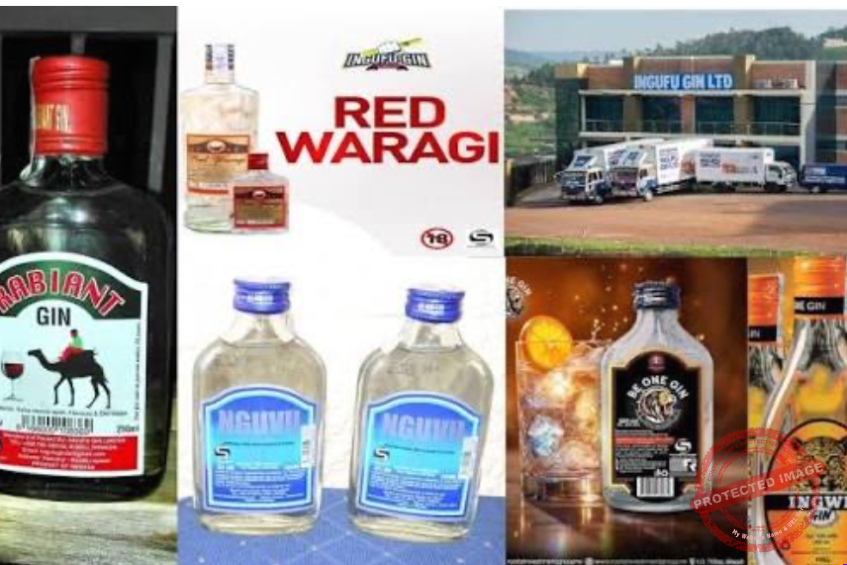
Several popular local spirits—including Red Waragi, Royal Castle Gin, and King’s Vodka—on display. The Rwanda Food and Drugs Authority (Rwanda FDA) ordered an immediate market recall of dozens of alcoholic beverages and closed eight manufacturing facilities over safety concerns. (Photo: Agencies)
Uganda has joined Kenya in challenging Rwanda’s decision to suspend several alcoholic beverages manufactured in the two East African countries, citing regional trade rules and a lack of scientific justification for the restrictions.
According to Ugandan media, the Uganda National Bureau of Standards (UNBS) said 10 Ugandan alcohol brands affected by Rwanda’s restrictions are certified under harmonised East African Community standards.
UNBS said Rwanda had not provided technical or scientific evidence to justify blocking the products from its market.
The dispute follows Rwanda’s August 5 decision to suspend dozens of imported alcoholic beverages from Uganda, Kenya, Tanzania and other countries and order their withdrawal from the Rwandan market.
Uganda says the move contravenes EAC procedures governing the Mutual Recognition of Quality Marks, which require products certified by recognised national standards bodies to be accepted across partner states.
UNBS said concerns over a certified product should first be formally communicated to the standards authority in the exporting country.
The Ugandan regulator said the matter was discussed during an EAC Secretariat meeting on August 10 involving representatives from Uganda, Kenya, Rwanda and Tanzania.
According to UNBS, the meeting found that no technical or scientific justification had been presented to sustain the restrictions.
The 10 Ugandan brands affected include Bond7 Blended Whisky, Gilbey’s Flavored Gin, Campfire Gin, X5 Gin, X5 Whisky, X5 Liqueur, Jonney’s Pineapple Flavored Gin, Pan Master Blended Mature Whisky, Club 5 Gin and Tembo Liqueur.
Kenya has also challenged the restrictions, saying five of its affected brands remained compliant with Kenyan and EAC standards following fresh inspections and laboratory testing.
The dispute has raised wider questions about the implementation of EAC common-market rules, particularly whether member states can independently restrict products that have already been certified under harmonised regional standards.
UNBS says the affected Ugandan products remain certified and compliant, while discussions continue through EAC mechanisms to resolve the dispute.Source:
 1
1Published August 9, 2026
 2
2Published August 8, 2026
 3
3Published August 9, 2026
 4
4Published August 10, 2026
 5
5Published August 10, 2026
 6
6Published August 11, 2026
 7
7Published August 12, 2026
 8
8Published August 9, 2026

Published 22 minutes ago

Published 1 hour ago

Published 1 hour ago

Published 1 hour ago

Published 1 hour ago

Published 3 hours ago
Support Eye Radio, the first independent radio broadcaster of news, information & entertainment in South Sudan.
Make a monthly or a one off contribution.
Copyright 2026. All rights reserved. Eye Radio is a product of Eye Media Limited.