15th August 2026

Morobo communities seek development as governor Adil warns insecurity is holding back aid

Author: Edema Emmanuel | Published: 1 hour ago

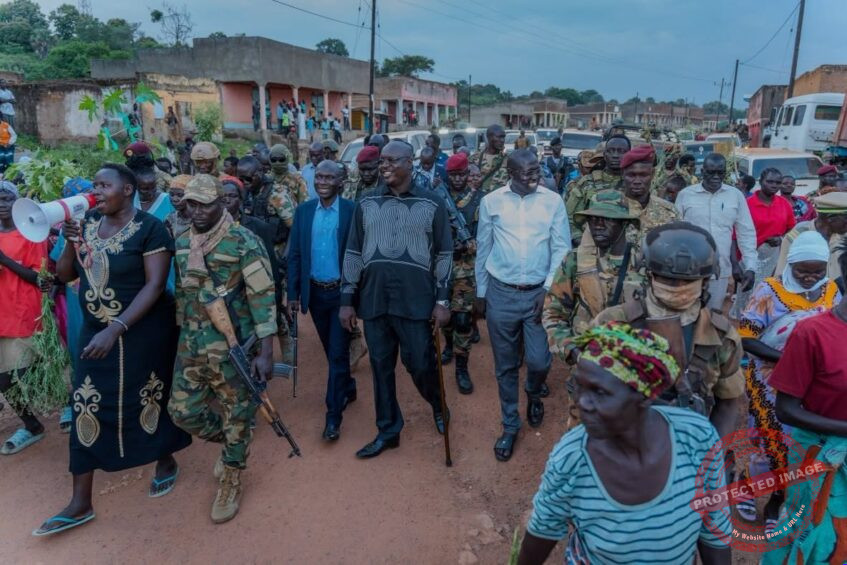
PhotoCredit|Office of the Governor

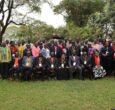
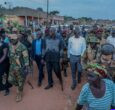
Community and youth leaders in Morobo County have called for improved security, education, healthcare and infrastructure, while Central Equatoria State Governor Emmanuel Adil Anthony says insecurity must be addressed before humanitarian and development partners can effectively support the county.

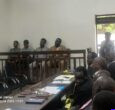
The demands were raised on Friday during Governor Adil’s visit to Morobo, where local leaders highlighted the lack of technical training opportunities, damaged schools and health facilities, poor roads and challenges facing returnees.

Responding to the concerns, Governor Adil said Morobo’s security situation has made it difficult for humanitarian organisations and development partners to operate in the county.

“Morobo is not labelled as Level Four. Do you know what Level Four is? It means organisations can’t come here because the place is dangerous. Nobody will come here,” Adil said.

The governor said insecurity has already affected health services, noting that the county previously had two ambulances but one was burnt.

“Before, some of you said there is only one ambulance, but there were two; one was burnt. Now partners who want to come here are afraid,” he said.

Adil said the government had engaged development partners, including the International Organization for Migration (IOM) and the United Nations, over infrastructure projects in Morobo, but insecurity was making it difficult for them to continue their work.

“I had talked to IOM and the UN and they did some construction for the prison, but they are afraid,” he said.

He also questioned the sustainability of providing equipment to local authorities while insecurity persists.

“Even if I buy motorcycles for the chiefs, maybe they will be robbed,” Adil said.

The governor cited the killing of contractors working on bridges, as well as attacks and looting of health facilities, as examples of the insecurity affecting development in the county.

“So let us work for peace,” Adil urged, saying security was necessary for the rehabilitation of health facilities and other services.

His comments followed calls from local leaders for the government to address the challenges facing the county.

Morobo County youth representative Emmanuel December called for the establishment of a technical school to equip young people with practical skills.

“Every year, our sons and daughters complete Senior Four, and most of them cannot afford higher education. We advocate for the establishment of a technical school in Morobo that can help our people acquire hands-on skills to create jobs for themselves,” December said.

He also called for a health college and resource centre and reminded the governor of a tractor he said was promised to the Morobo Youth Association in 2020.

“The youth of Morobo have not forgotten that tractor, and we would like to hear from you if we will still receive it,” December said.

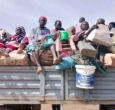
Local leader Peter Wani said insecurity was also affecting the return of displaced people and the rehabilitation of essential infrastructure.

“We have the issue of rampant insecurity in the county, and the issue of returnees who are willing to return to Morobo County. We have a big issue regarding the rehabilitation of schools, hospitals, and roads,” Wani said.

Wani also raised concerns over what he described as the marginalisation of landowners in local decision-making and land allocation processes.

During the visit, Governor Adil also toured Kanyara Boarding and Day School, where he commended teachers for continuing to work despite damage caused by previous conflict.

“I know the situation of this school because of war. The structures went very bad, teachers left, and only a few of you remained. I want to thank those of you who are here, volunteering and committed to teaching,” he said.

The governor’s response effectively tied the concerns raised by Morobo leaders to the county’s security situation, arguing that peace is a prerequisite for the return of humanitarian and development partners and the restoration of basic services.

Support Eye Radio, the first independent radio broadcaster of news, information & entertainment in South Sudan.

Make a monthly or a one off contribution.