
17th August 2026
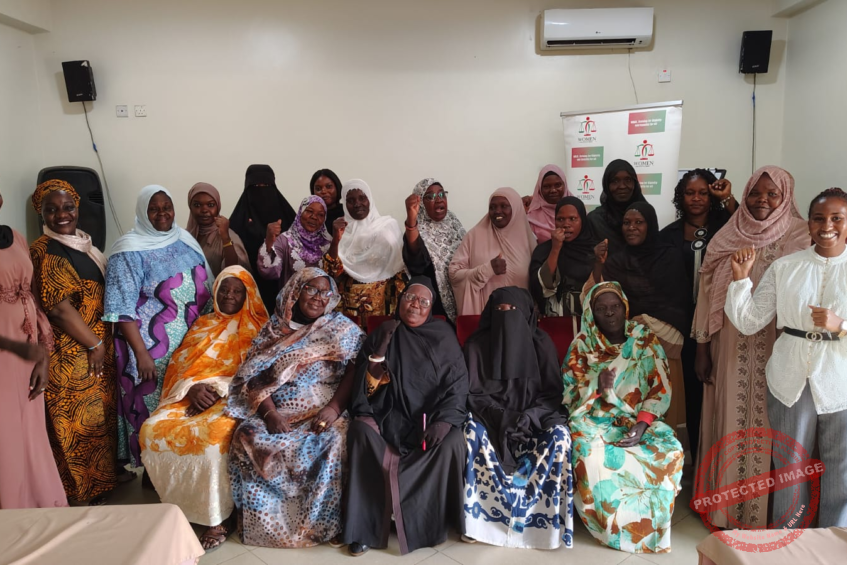
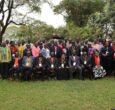
Representatives from Juba mosques and Islamic institutions gather for a dialogue organized by Women for Justice and Equality. Credit: Maura Ajak/April 30, 2026
Muslim women demanded improved access to education and inclusion in decision-making processes, specifically seeking to contribute to the development of the family bill and other national policies, during a dialogue held on Thursday in Juba.
The event, organized by Women for Justice and Equality, focused on expanding gender-based violence (GBV) response efforts to underrepresented communities.
Participants discussed the status of women through religious, social, and legal lenses. Zainab Osman, a housewife, noted that the sessions covered inheritance rights under Islamic law, international treaties, and family law.
“We discussed the rights and issues of Muslim women in South Sudan from a religious, social, and customary perspective, including international treaties on women’s and children’s rights, women’s inheritance rights according to Islamic law, and family law issues. We also discussed the importance of women’s participation in these matters to protect their legal rights,” Osman said.
Salma Haider emphasized that women must remain present in public discourse to secure their interests.
“We talked and learned about the importance of Muslim women’s participation in community forums, not being absent from discussions about their rights, and adding their voices to issues such as family law, the right to education, and child marriage,” Haider said.
Executive Director Zabib Musaloro stated that the engagement addressed the impact of early marriage on girls and women. The initiative aims to increase community involvement over the next two years.
“We want to be discussing early marriage with Muslim women. We want to look at the policy bids, how they will be engaging in policy. We want them to practically engage in GBV response and prevention within the community,” Musaloro said.
Malaz Khalil, a student at the University of Juba, said the dialogue provided information on the health consequences of child marriage and methods for resolving community problems.
“I learned a lot from this dialogue about women’s rights and equality. I was aware of issues I wasn’t familiar with, such as child marriage and its health consequences, how to resolve social problems, and the importance of participating in community issues,” Khalil said.
Leaders from mosques and Islamic institutions identified a need for economic empowerment and independent sources of income.
“Women have also understood that they have more rights. They have actually been neglecting a lot of their rights. And then the other thing is economic empowerment. We’ve also said that Muslim women are so much enclosed and they are closed within their homes,” Musaloro added.
The group cited limited access to education as a factor contributing to early marriage, noting the cost of schooling and a lack of opportunities for girls.
Organizers plan to localize awareness efforts within mosques and communities. These plans include advocating for consultations that involve both Muslim and Christian communities in policy formulation.
The dialogue concluded with participants calling on the government, religious leaders, and civil society to establish platforms that include the perspectives of all women in future policy processes.
 1
1Published August 10, 2026
 2
2Published August 10, 2026
 3
3Published 21 hours ago
 4
4Published 19 hours ago
 5
5Published August 11, 2026
 6
6Published August 12, 2026
 7
7Published August 10, 2026
 8
8Published August 10, 2026
Published 19 hours ago
Published 21 hours ago

Published 22 hours ago
Published August 15, 2026
Published August 15, 2026

Published August 15, 2026
Support Eye Radio, the first independent radio broadcaster of news, information & entertainment in South Sudan.
Make a monthly or a one off contribution.
Copyright 2026. All rights reserved. Eye Radio is a product of Eye Media Limited.