
30th June 2026

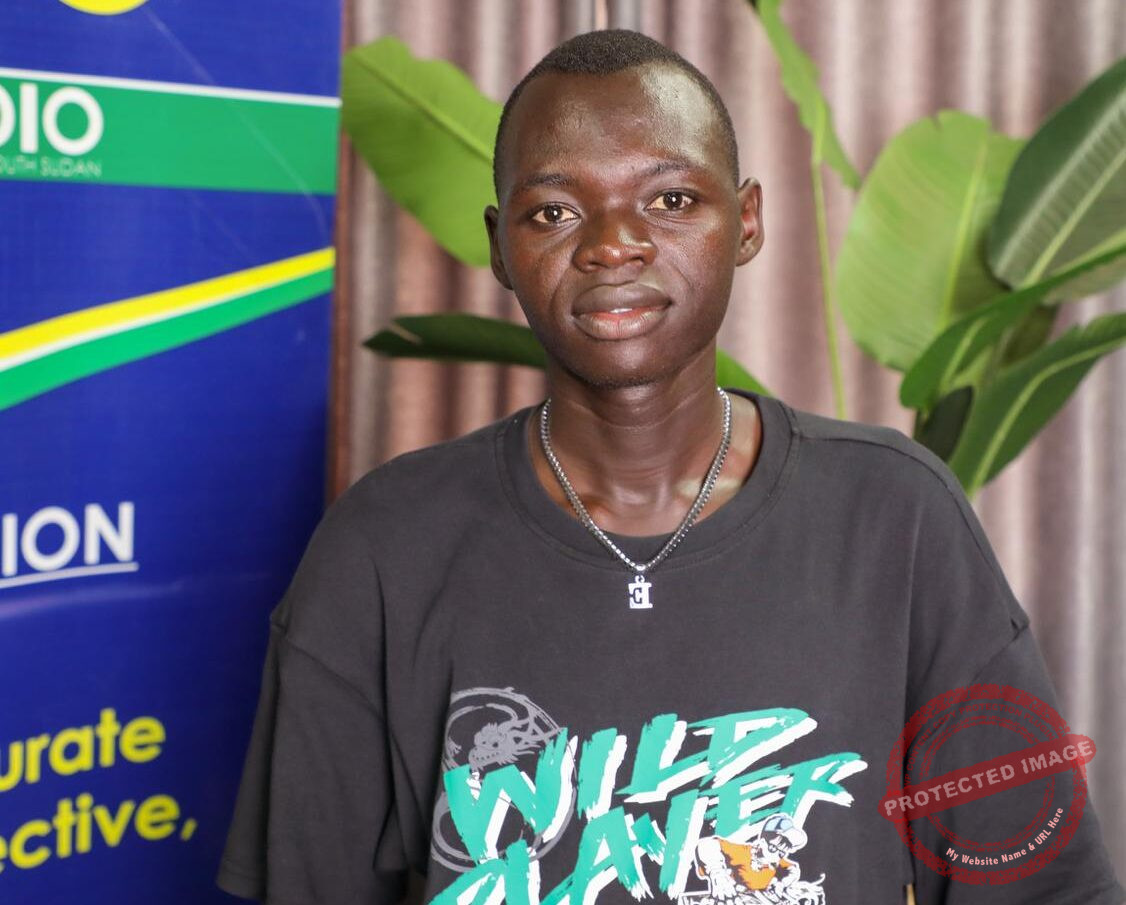
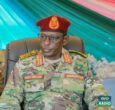
Undersecretary for Planning Benjamin Ayali explains the government’s plan to "clean" the civil service payroll during a press briefing in Juba on Thursday, April 2, 2026. | Photo: Eye Radio/Darlington Moses
There is money, but what we need is to clean the bloated payroll for civil servants to get their salaries, according to the Undersecretary for Planning at the Ministry of Finance and Planning, Benjamin Ayali.
Speaking in Juba on Thursday, April 2, 2026, Ayali emphasized that the government’s inability to pay civil servants consistently is not solely due to a lack of funds, but rather the result of a saturated and unverified payroll system that drains national resources.
The Undersecretary revealed that the Ministry is preparing a nationwide headcount to identify and remove “ghost workers” and individuals receiving multiple salaries across different government institutions.
“We don’t know how many people we are paying in the federal union, so headcount will save us money,” Ayali stated. “If there are 10 ‘Benjamins’ that are getting paid in 10 different ministries, then Benjamin will only be paid in the Ministry of Finance. The other nine Benjamins will have nothing to get.”
By eliminating these redundancies, the government expects to recover significant funds that will be redirected back into the Public Financial Management Reform Strategy (PFMRS).
Ayali argued that a transparent and “clean” payroll is the only way the public can see tangible benefits from government spending. He noted that the savings generated from the headcount would be used to fund essential infrastructure, including schools and hospitals, and to create sustainable jobs.
“The extra money that we save from that headcount is what we’ll use to inject into this reform,” he explained. “Public will benefit by having schools in place, having hospitals in place, and creating jobs. That can only work when we clean the payroll.”
While acknowledging the current financial constraints facing the country, the Undersecretary described the reform as a critical investment in South Sudan’s future. He stressed that even with limited revenue, the government must prioritize the modernization of its financial systems to ensure every pound is used prudently.
“It’s an investment that maybe not many people are seeing,” Ayali added. “But it’s an investment that by doing this, we can save more money and then use that money to deliver other services.”
The initiative is part of a five-year project supported by the UNDP, aimed at establishing a more accountable and efficient financial framework for the nation.
Currently on air
09:00:00 - 12:55:00
 1
1Published June 28, 2026
 2
2Published June 25, 2026
 3
3Published June 23, 2026
 4
4Published June 23, 2026
 5
5Published 17 hours ago
 6
6Published 16 hours ago
 7
7Published June 24, 2026
 8
8Published June 23, 2026

Published 15 hours ago

Published 16 hours ago
Published 16 hours ago
Published 16 hours ago

Published 16 hours ago

Published 16 hours ago
Support Eye Radio, the first independent radio broadcaster of news, information & entertainment in South Sudan.
Make a monthly or a one off contribution.
Copyright 2026. All rights reserved. Eye Radio is a product of Eye Media Limited.