
7th August 2026

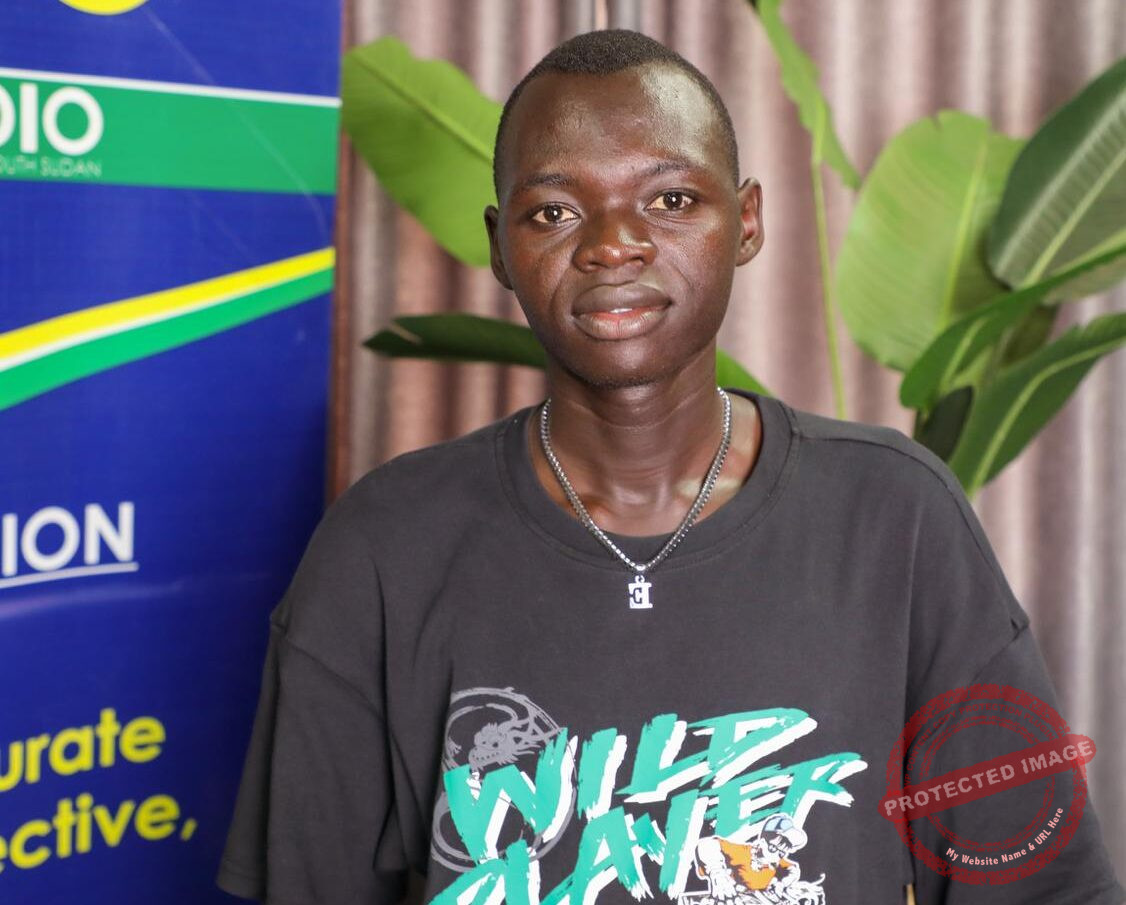
CEPO Executive Director Edmund Yakani. (Photo: Awan Moses/Eye Radio).
The Executive Director of Community Empowerment for Progress Organization (CEPO) has challenged governors of states where there are disputes along international borders to stop relying on national government to resolve border issues.
Edmund Yakani made the remarks in response to alleged encroachment by the Ugandan army and rangers into South Sudan’s territory.
Since June 2024, incidents of Ugandan encroachment into South Sudan have been reported in Magwi and Budi Counties of Eastern Equatoria State, where local farmers alleged harassment and displacement.
The governor of Eastern Equatoria previously said issues related to border dispute are obligations of the national government.
However, Edmond Yakani challenged them to take up responsibilities and act at the interest of the residents along border areas.
He urged governors not to wait for the national intervention.
He added that the governors have an immediate bureaucracy under their leadership to prevent encroachment by neighbors into South Sudan territory.
“I want to urge governors; don’t wait for the central government. The central government has its own political disputes and political challenges, that sometimes they don’t care about what is happening in the states,” he said on Eye Radio’s Dawn Show.
“So my appeal goes back to the state governors that there is a need for the state governors to quickly take responsibility to resolve the border issues, so I feel governors of the states that are under attack by Ugandan encroachment should take responsibility.”
The activist reiterated that formerly, governors did not wait for the president to direct them when resolving border contentions.
“I have seen this for the last seven years. Remember when Clement Ko’nga was the governor of Central Equatoria state, he used to go to the border with Uganda with DRC to resolve encroachment of either DRC army or Uganda army.”
“Clement by then did not wait for the president to direct him. He took his power as state governor and went to the border and he pushed negotiation between South Sudan and DRC or South Sudan and Uganda over the border issue.”
Yakani also challenged parliamentarians to speak up over issues relating to international boundaries.
The modern-day international boundary between South Sudan and Uganda has its origins as a colonial administrative line separating Anglo–Egyptian Sudan from the Uganda Protectorate, both colonies then managed by the United Kingdom.
Today, it runs from the tripoint with Kenya in the east for approximately 500 km to the tripoint with the Democratic Republic of the Congo in the west.
However, there are several locations on the boundary that were originally described in unclear terms, which have led to at least two areas of boundary disputes between South Sudan and Uganda.
According to Sovereign Limits, lack of government control, problems with refugees, and general lawlessness in border regions have made demarcation and formalization of the international boundary between South Sudan and Uganda almost impossible.
Currently on air
09:00:00 - 12:55:00
 1
1Published August 2, 2026
 2
2Published August 2, 2026
 3
3Published August 4, 2026
 4
4Published August 4, 2026
 5
5Published August 4, 2026
 6
6Published August 4, 2026
 7
7Published August 5, 2026
 8
8Published August 4, 2026

Published 2 hours ago

Published 17 hours ago

Published 17 hours ago
Published 17 hours ago

Published 17 hours ago
Support Eye Radio, the first independent radio broadcaster of news, information & entertainment in South Sudan.
Make a monthly or a one off contribution.
Copyright 2026. All rights reserved. Eye Radio is a product of Eye Media Limited.