
13th August 2026
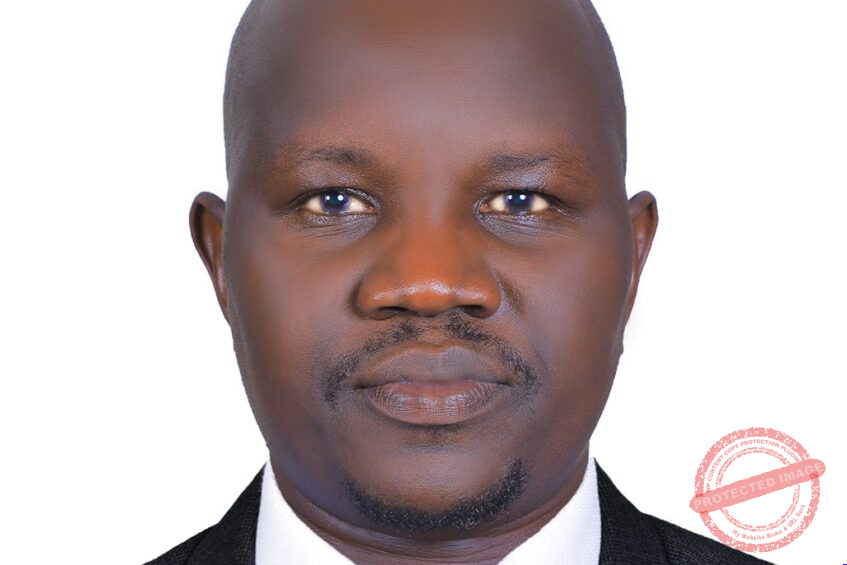
Mr. Michael Gorjin Kuol, the Author
As we celebrate this International Youth Day under the theme“Different Contexts, Common Aspirations,” I would like to urge the young people and government of South Sudan to recognize that localizing youth participation at all levels of government is at the core of United Nations Security Council Resolutions (UNSCR) 2250, 2419 and 2535, and is aligned with South Sudan’s National Strategy on Youth, Peace and Security.
UNSCR 2250, adopted in 2015, is the first United Nations Security Council resolution dedicated to Youth, Peace and Security. It recognizes young people as key partners in building and sustaining peace and calls on governments to ensure their meaningful participation in decision-making, conflict prevention, peacebuilding and governance processes at local, national, regional and international levels.
The resolution is built around five pillars: participation, protection, prevention, partnerships, and disengagement and reintegration. UNSCR 2419 and 2535 further strengthen this agenda by urging member states to increase youth representation and leadership in peace and political processes. [unscr.com], [youth4peace.info]
These resolutions urge Member States to include youth in violence prevention, conflict resolution and peacebuilding processes, ensuring their participation at all levels of decision-making. In South Sudan, this remains a critical, yet underutilized, resource. Youth have been at the forefront of liberation movements but often find their political engagement limited as they transition into adulthood.
The South Sudan Youth Development Policy provides a legal platform for young people to claim their rights. The key benefit of South Sudan’s National Youth Development Policy is the formal guarantee of structural inclusion, mandating a 20 percent quota for youth representation in government bodies at all levels, and pledging 10 percent of the national budget for youth-led projects and economic empowerment.
I would like to urge young people to demand these rights nonviolently, since they will not come on a silver plate. For instance, young people need to participate and vie for key positions in the coming election to realize their 20 percent quota as provided for under the South Sudan Youth Development Policy.
In addition, to fully implement UNSCR 2250 in South Sudan, the following actions are necessary to realize youth development:
Establishing Youth Councils and Committees: These should be set up at local and state levels to provide a formal mechanism for youth participation in governance, peacebuilding and decision-making processes. Local meetings to identify youth candidates for council membership and transparent processes for appointing diverse representatives would ensure inclusivity.
Providing Leadership and Governance Training: Capacity-building programs should be offered to develop advocacy, leadership and negotiation skills among youth. Workshops on leadership development and conflict resolution, alongside regular meetings and youth-led projects, would enable young people to actively contribute to community development.
Furthermore, Creating Mentorship Networks: Mentorship programs can pair youth with experienced leaders in their respective fields, offering opportunities for skills transfer and personal development. These networks could be supported through online platforms for ongoing mentor-mentee communication, supplemented by resources such as articles, toolkits and case studies.
Finally, Enhancing Financial Literacy: Financial education should be integrated into school curricula and vocational training programs, equipping youth with essential skills such as budgeting, savings and investment strategies. Seminars and workshops delivered by financial experts can offer practical insights, while partnerships with financial institutions can ensure that young entrepreneurs have access to banking services and financial products.
South Sudan’s youth constitute the country’s greatest demographic asset. Meaningful inclusion of young people in governance, peacebuilding and economic development is not merely a policy choice; it is a prerequisite for sustainable peace, democratic governance and national development. By localizing the principles of UNSCR 2250 and implementing existing national commitments, South Sudan can transform its youthful population into a powerful force for peace, stability and prosperity.
About Author: Michael Gorjin Kuol is a Governance, Peace and Security (GPS) Specialist. He has more than twenty (20) years of development programming experiences in his native South Sudan, with particular focus in governance, peacebuilding, community, civil society development, and engagement and strengthening of local government participatory planning and budgeting process. He Holds a Master of Science in Governance, Peace and Security Studies(GPS), from Africa Nazarene University, Kenya.
Editor’s Note: The views expressed in the above article are solely those of the author and do not necessarily reflect the views of Eye Radio. All claims made are the author’s responsibility alone.

Currently on air
14:00:00 - 15:55:00
 1
1Published August 9, 2026
 2
2Published August 8, 2026
 3
3Published August 9, 2026
 4
4Published August 10, 2026
 5
5Published August 10, 2026
 6
6Published August 11, 2026
 7
7Published August 12, 2026
 8
8Published August 8, 2026
Published 1 hour ago

Published 1 hour ago
Published 2 hours ago

Support Eye Radio, the first independent radio broadcaster of news, information & entertainment in South Sudan.
Make a monthly or a one off contribution.
Copyright 2026. All rights reserved. Eye Radio is a product of Eye Media Limited.