
18th August 2026
You are here: Home | Health | Humanitarian | News | MSF records 9,600 mental health cases in South Sudan in 7 months

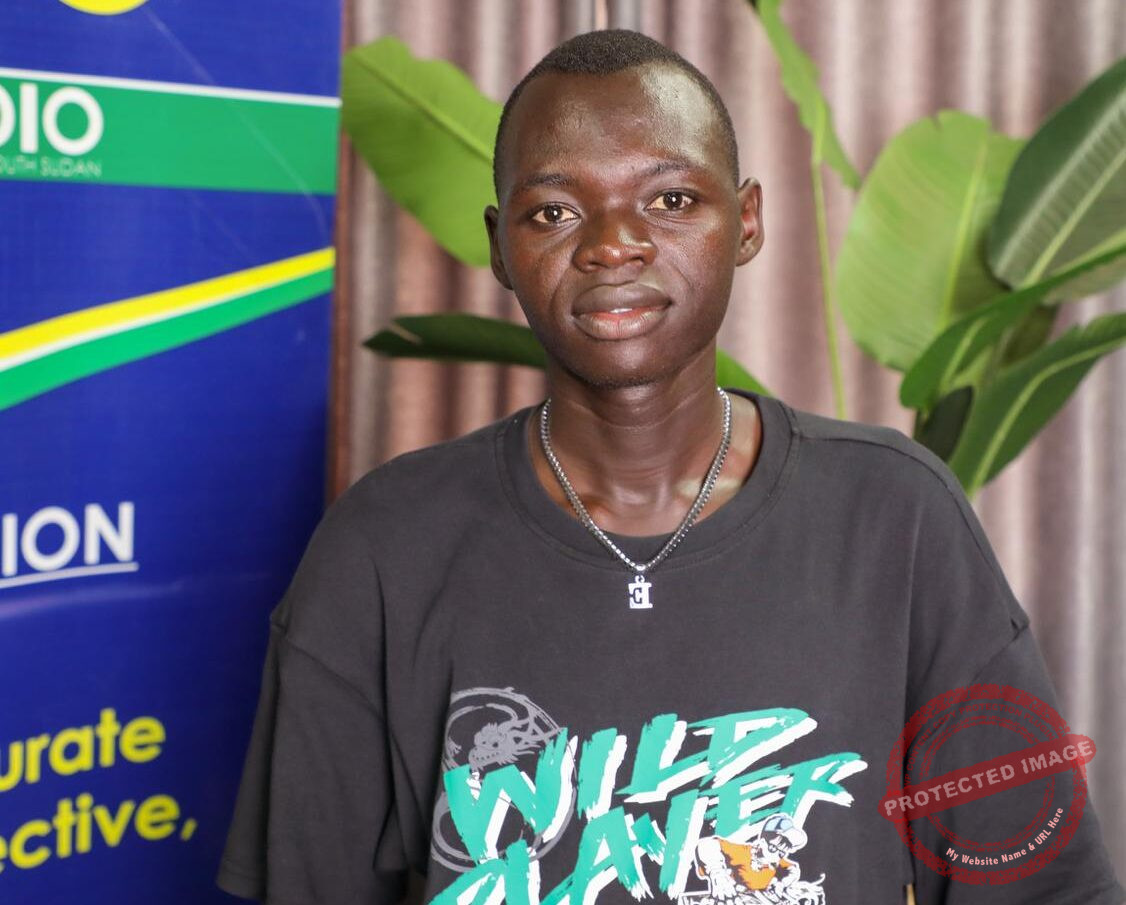
An MSF counselor holds a mental health consultation in Malakal, Upper Nile state. | South Sudan 2024 © Isaac Buay/MSF
Medical aid group Doctors Without Borders (MSF) has warned about an “overlooked” mental health crisis in South Sudan resulting from conflicts, food insecurity, and extreme poverty where many people face their struggles in silence due to prevailing stigma around mental health.
Known by its French initials as Médecins Sans Frontières, the charity which is one of the humanitarian organizations providing mental health services in South Sudan, said the nearly 10,000 mental health consultations were registered between January and July 2024.
MSF has listened to numerous accounts of survivors and reveals that three out of four patients seeking mental health support through the organization have endured intercommunal violence, sexual violence or gender-based violence.
It added that while primary health care is scarce in South Sudan, mental health services are even more limited.
The group has found that families and caregivers of mental health patients are often forced to make impossible choices due to lack of access to treatment – with many detaining their family members out of fear of the stigma and the violence it might provoke.
“In extreme cases, they even resort to chaining them. People suffering from mental illnesses are often left to languish by the broader society,” MSF said in a long report released on Wednesday.
“Instead of receiving care, they are often confined to prisons or other unsuitable environments, worsening their condition and deepening their suffering due to lack of sufficient resources and infrastructure, and because there are no trained mental health professionals.”
The medical organization narrated that it facilitated group discussions for 54,000 people across the country, but warns that its efforts only “scratch the surface” of a dire need.
Germando Kagomba, MSF mental health activity manager in Lankien Upper Nile State said the organization receives many patients with post-traumatic stress disorder (PTSD), depression, and postpartum depression affecting new mothers.
“With limited infrastructure, some patients take up to four days just to reach the hospital,” Kagomba said.
“So when you have a mental health condition, people don’t really take care of you as they do for others, and the patients who make it to the hospital do not come back for follow-up.”
MSF said untreated mental health conditions in South Sudan may lead to long-term harm, including the deterioration of physical health, which may not only affect individuals but entire generations.
“The significant gap in mental health treatment means that people lacking care are more vulnerable in their communities, which can further entrench them and their families in poverty.”
The humanitarian organization said limited participation in community activities and restricted employment opportunities diminish people’s quality of life and may also lead to higher rates of teenage pregnancy and domestic violence.
MSF recommends that mental health care must be integrated into the broader health care system in the country, so people can begin to heal from the deeper scars left by displacement and poverty.
MSF provides care to populations in distress and victims of natural or man-made disasters and armed conflicts in more than 70 countries across the world.
In South Sudan, MSF provides basic and specialized healthcare, respond to emergencies and outbreaks affecting isolated communities, and internally displaced people.
It currently offers medical services through 13 projects in seven of the 10 states and two administrative areas.
UN refugee agency (UNHCR) says violence in South Sudan has had major effects on the psychological well-being of the South Sudanese people, particularly the displaced populations.
According to the agency, professional concepts of psychiatric and neurological disorders as described in Western classification systems are often not aligned to the way South Sudanese experience and define their mental and psychosocial well-being.
It added that South Sudanese who suffer from severe mental disorders are commonly referred to in derogatory terms equivalent to ”crazy”, ”mad”, or “separated from their head”.
It explained that South Sudanese believe that mental illness is caused by a range of potential factors including witchcraft, punishment by ancestors, physical sickness and bad experiences in life.
UNHCR added that knowledge of local expressions and concepts of well- being and illness is essential to understanding the mental health and psychosocial well-being of the people.
Currently on air
09:00:00 - 12:55:00
 1
1Published August 16, 2026
 2
2Published August 16, 2026
 3
3Published August 11, 2026
 4
4Published August 12, 2026
 5
5 6
6Published 16 hours ago
 7
7Published August 11, 2026
 8
8Published 21 hours ago
Published 14 hours ago
Published 16 hours ago

Published 16 hours ago

Published 17 hours ago

Published 20 hours ago
Support Eye Radio, the first independent radio broadcaster of news, information & entertainment in South Sudan.
Make a monthly or a one off contribution.
Copyright 2026. All rights reserved. Eye Radio is a product of Eye Media Limited.