
29th August 2026
You are here: Home | Governance | International Relations | National News | News | South Sudan’s EAC debt could rise to 24 million dollars, lawmaker warns
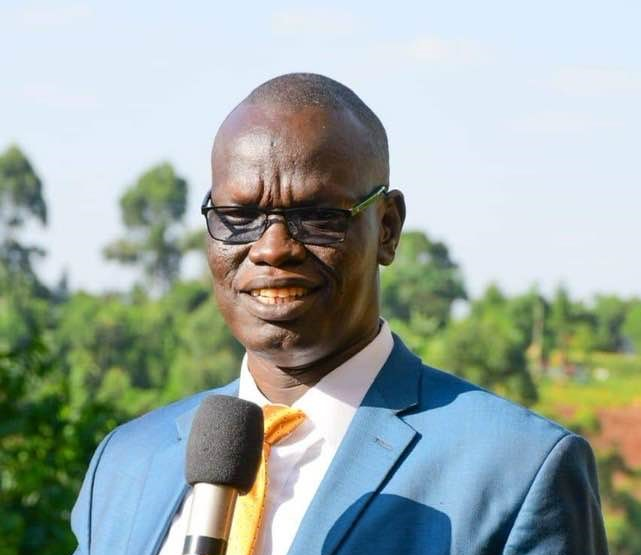
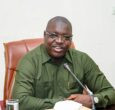
Hon. Kim Gai, MP at the East African Legislative Assembly - Courtesy
A lawmaker representing South Sudan in the East African Legislative Assembly has warned that the country’s outstanding financial obligations to the regional bloc could rise to about 24 million US dollars if the government fails to settle its annual contributions.
Speaking on Eye Radio’s Dawn Show, Kim Gai said the recent East African Community Summit agreed to waive half of South Sudan’s accumulated arrears of about 21 million US dollars, reducing the debt to about 10 million dollars.
“We have about 21 million, and they said this financial year, which will end today at midnight, 2025–2026, will end tonight. That amount will never be waived. The 7.2 million we have to pay, but the arrears for the last three years, you know we have three years of not paying money, which is 21 million.They said they waived half,” he said.
However, he said the country’s annual contribution of approximately 7 million US dollars for the 2025/2026 financial year remains payable and will be added to the remaining arrears.
“So now our arrears are 10 point something million USD. We need to pay it based on the last summit. The rest has been waived by the summit. Now by tomorrow we are going to add the new arrears, which is 7 million for this financial year 2025–2026,” he said.
Gai proposed that South Sudan adopt a payment model similar to Rwanda by making quarterly contributions to regional and international organizations instead of allowing debts to accumulate over several years.
“One of it is the scenario of Rwanda, which is at least better for how we can solve this issue. We are talking about regional bodies including IGAD, the African Union, and also foreign missions like the Ministry of Foreign Affairs embassies, as well as the UN and UN agencies. All those are obligations,” he explained.
“So we are saying instead of waiting and allowing the debt to accumulate into a huge amount, we should not do that. Instead, you can pay EAC, you can pay 100 thousand dollars a month, or 200 thousand, you are allowed. But we are suggesting that the best scenario for us is the Rwanda scenario.
In Rwanda’s case, all regional and international obligations are paid quarterly. When we send you to an embassy, you know that we pay you every three months. In that way, the amount becomes small, and within one year you finish it,” he stated.
He also called on the government to prioritise strengthening the country’s security institutions, saying a professional and well-equipped security sector is key to attracting investment and creating a stable business environment.
According to Gai, investors are reluctant to bring their businesses to South Sudan due to insecurity, and improving security would help unlock investment, create jobs, and boost economic growth.
South Sudan joined the East African Community in 2016, becoming its sixth member at the time.
Member states are required to contribute annually to finance the operations of regional institutions, including the East African Legislative Assembly (EALA), the East African Court of Justice, the EAC Secretariat, and regional programmes that promote trade, infrastructure, security, education, health, and economic integration.

Currently on air
06:00:00 - 08:55:00
 1
1Published August 23, 2026
 2
2Published August 23, 2026
 3
3Published August 24, 2026
 4
4Published August 24, 2026
 5
5Published August 25, 2026
 6
6Published August 25, 2026
 7
7 8
8Published 14 hours ago
Published 13 hours ago

Published 13 hours ago
Published 14 hours ago
Published 15 hours ago

Published 15 hours ago

Published 16 hours ago
Support Eye Radio, the first independent radio broadcaster of news, information & entertainment in South Sudan.
Make a monthly or a one off contribution.
Copyright 2026. All rights reserved. Eye Radio is a product of Eye Media Limited.