
30th August 2026
You are here: Home | Health | National News | News | NBTS urges South Sudanese to donate blood as demand rises
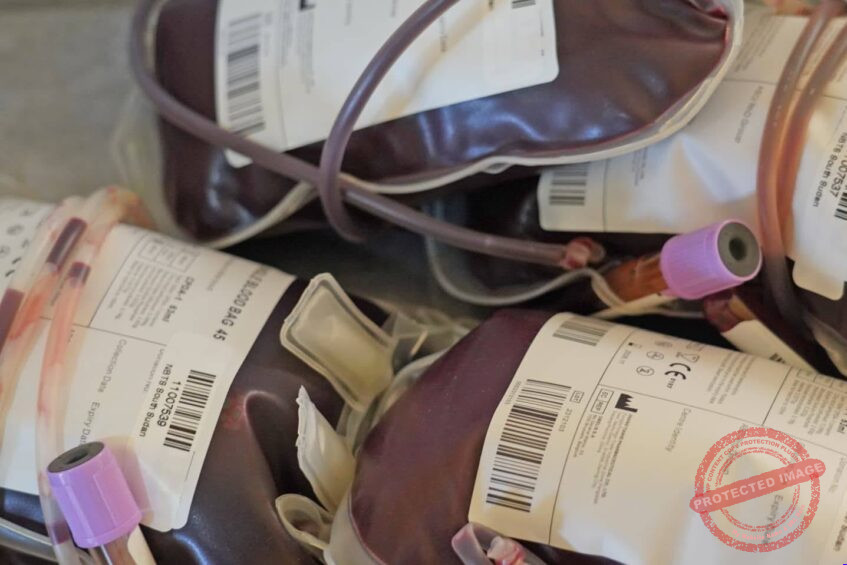
Behind every blood bag is a generous donor and a life transformed. Proof of human kindness in action—blood donation saves lives every single day. Keep giving, keep saving. 🩸 (File Photo)
The Director of the National Blood Transfusion Service (NBTS) has urged South Sudanese to donate blood regularly, saying it remains a critical emergency requirement for mothers giving birth, accident victims and other patients.
Dr Angelo Aruop Akeen says the demand for blood goes beyond people injured in accidents or those suffering from severe illnesses.
Speaking to Eye Radio on Friday during the World Health Organization’s Media Meet and Greet event in Juba, Dr Akeen said blood transfusion is particularly critical for mothers experiencing complications during childbirth.
“It is a top emergency requirement for mothers giving birth in the hospital. It’s not only people who are suffering from accidents. It’s not only those children that are malnourished. It’s not patients suffering from malaria that require blood,” he said.
Dr Akeen said mothers who experience severe bleeding during childbirth are among those who urgently need blood to survive.
He also cited gunshot wounds and road traffic accidents as other emergencies where timely access to blood can mean the difference between life and death.
“They are mothers trying to give life to the community [who] need blood in order for them to survive. So, the needs are so many. Gunshot wounds require blood transfusion. Road traffic accidents [also require blood],” Dr Akeen said.
He recalled cases where people have died after losing large amounts of blood following accidents, describing such deaths as particularly painful because they could potentially be prevented with timely access to blood.
South Sudan continues to face a significant gap between the demand for blood and the amount collected through the national blood transfusion system.
The WHO says South Sudan should collect about 157,000 units of blood annually, based on the recommended level of 1 to 3 percent of the population. However, current collections remain far below that requirement.
The shortage is particularly concerning given South Sudan’s high maternal mortality rate, with severe bleeding after childbirth among the leading causes of maternal deaths.
The country also has a high demand for blood because of malaria, severe anaemia among children, surgical procedures, trauma and other medical emergencies.
According to WHO, South Sudan’s blood transfusion system has historically relied heavily on family replacement donors, meaning relatives or friends are often asked to donate only after a patient needs blood.
WHO says this system can delay treatment because finding a suitable donor during an emergency takes time.
The health authorities and partners are therefore promoting regular, voluntary and unpaid blood donation to ensure that safe blood is available before emergencies occur.
South Sudan’s National Blood Transfusion Centre was established in Juba in 2014, with support from the Ministry of Health, WHO and other partners.
The service has since expanded beyond Juba, including the establishment of a regional center in Wau and hospital-based blood banks in several parts of the country.
The expansion followed years of concern over the lack of reliable access to blood.
During the 2013 conflict, hospitals in Juba were overwhelmed with patients suffering gunshot wounds, but there was no adequate stock of blood available for transfusion. Many injured people depended on relatives and friends to donate, while South Sudan at one point received blood supplies from Kenya.
Since then, the Ministry of Health, WHO, the Government of Japan and other partners have invested in strengthening blood collection, testing, storage and distribution.
As of the 2024/25 health sector reporting period, South Sudan had 30 functional hospital blood banks across the country, although challenges with availability and access remain.
In May 2026, WHO and the Ministry of Health said the country still needed to significantly increase blood collection and strengthen the national system to ensure safe blood is available when patients need it.
Dr Akeen is now calling on more South Sudanese to become regular voluntary blood donors.
He says increasing voluntary donations would help ensure that blood is available for mothers, children, accident victims and other patients whose lives depend on timely transfusion.

Currently on air
14:00:00 - 16:00:00
 1
1Published August 23, 2026
 2
2Published August 24, 2026
 3
3Published August 29, 2026
 4
4Published August 24, 2026
 5
5Published August 25, 2026
 6
6Published August 28, 2026
 7
7Published August 25, 2026
 8
8
Published 22 minutes ago
Published 44 minutes ago
Published 2 hours ago
Published 2 hours ago

Published August 29, 2026
Published August 29, 2026
Support Eye Radio, the first independent radio broadcaster of news, information & entertainment in South Sudan.
Make a monthly or a one off contribution.
Copyright 2026. All rights reserved. Eye Radio is a product of Eye Media Limited.