
20th February 2026
You are here: Home | Education | National News | News | Lawmaker calls for investment in public education amid private schools’ dominance in exams

FILE PHOTO: A teacher seen in this class in one of the schools in Aweil South Sudan - courtesy
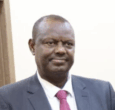
National lawmaker Majour Babour has called for the establishment of more educational institutes and improvement of teachers’ working conditions in public schools to enable them to effectively compete with private institutions.
Speaking exclusively on Eye Radio’s Sundown show on Thursday, Babour said that the government holds the primary responsibility for general education, citing the dominance of private schools in the 2024 national examination results.
“General education as a whole is our responsibility as a government. There is no way out,” Babour stated.
“Although we license private schools, they should not be the dominating group. The government educates its citizens with the purpose of creating informed, patriotic individuals who are ready to serve and sacrifice for their country.”
This year’s national examination results saw top-performing students largely coming from private schools, most of which are based in Juba, Central Equatoria State.
The top best-performing student, however, came from a private school in Jonglei State.
Babour recommended the need for the government to invest more in teacher training and public education infrastructure, saying public institutions must be the foundation of national education goals.
“To remedy this, we need to establish and upgrade institutes of education,” he added. “We must also improve the working conditions of teachers, because a properly trained and motivated teacher is essential to quality education.”
Babour also called on communities to play a more active role in supporting education, especially in public schools.
“Quality education is costly, and communities must be involved,” he said. “In Sudan during the early 1980s, communities built teachers’ quarters—two, three, sometimes four houses—using their own resources. They also provided extra financial support and held regular parent meetings to resolve school issues.”
“Unfortunately, in South Sudan today, there’s a common belief that education is solely the Ministry’s responsibility. That is not true. Communities have a vital role to play because these are our children. Active involvement will help public schools function better and improve the entire education system.”
Research continues to show that public school teachers in South Sudan face multiple challenges, including low and inconsistent salaries, inadequate infrastructure, and a brain drain caused by the migration of qualified educators to better-paying jobs elsewhere.

Currently on air
00:00:00 - 06:00:00
 1
1Published February 16, 2026
 2
2Published February 14, 2026
 3
3Published February 13, 2026
 4
4Published February 15, 2026
 5
5Published February 16, 2026
Published 10 hours ago
Published 10 hours ago
Published 11 hours ago

Published 11 hours ago
Published 12 hours ago
Published 13 hours ago
Support Eye Radio, the first independent radio broadcaster of news, information & entertainment in South Sudan.
Make a monthly or a one off contribution.
Copyright 2026. All rights reserved. Eye Radio is a product of Eye Media Limited.