
4th August 2026
You are here: Home | National News | News | Hope doesn’t die; so is Tumaini process – deputy chief mediator

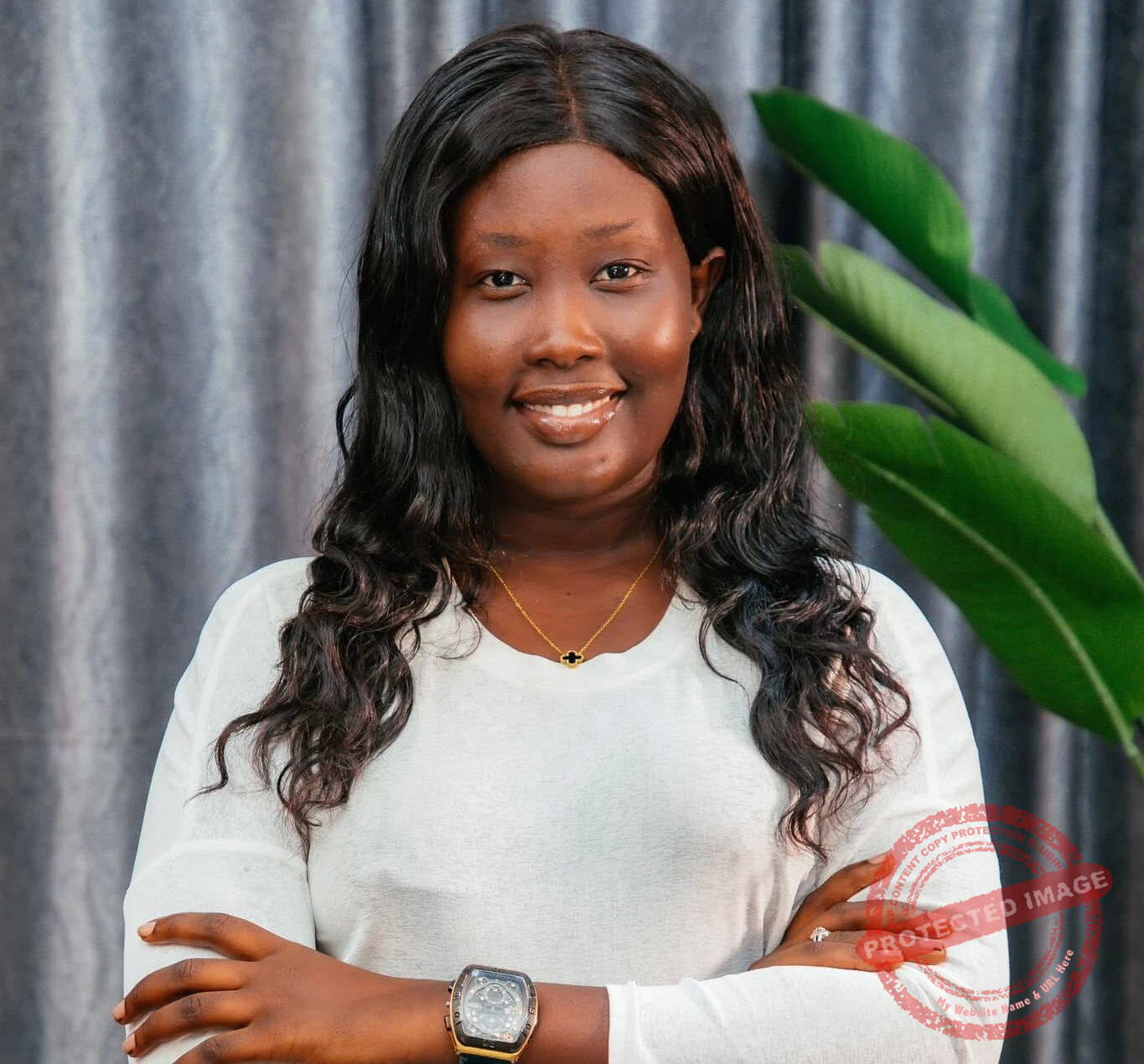
Ambassador Mohamed Ali Guyo, Deputy Chief Mediator, Tumaini Initiative. [Photo: Courtesy of IGAD]
The Deputy Chief Mediator of the Kenya-led South Sudan peace process says the Tumaini Initiative is still alive, contrary to earlier claims by the head of the government delegation.
Last month, the head of the government delegation declared the initiative “dead,” arguing that the opposition involved in the talks “has no case.”
Senior Presidential Advisor Kuol Manyang Juuk, also leading the government delegation, accused the United People’s Alliance of attempting to discard the 2018 revitalized peace agreement.
“Most of the concerns and demands raised by the opposition have already been addressed in the peace agreement,” Kuol stated.
He described the Tumaini proposal—particularly the idea of a leadership council as the highest organ of government—as a “coup.”
Kuol further questioned the integrity of certain opposition figures living abroad:
“Some of the opposition members are staying outside the country for years, renting or buying villas,” he said, “questioning where they got the money from, if not from South Sudan, during their tenure in the government.”
He also said that Juba had questioned Nairobi for allegedly allowing the United People’s Alliance to form a military wing within Kenya—an issue he cited as contrary to East African Community principles.
Speaking to Eye Radio from Nairobi last evening, Deputy Chief Mediator Dr. Mohammed Ali Guyo affirmed the ongoing life of the Tumaini Initiative.
“The Tumaini Initiative was designed as a unique peace process that held glad tiding and hope for the people of South Sudan. Hope does not die at all, and therefore Tumaini Initiative is not dead. Hope does not die at all.”
Dr. Guyo emphasized the initiative’s wide backing: “Tumaini Initiative is also based on a high-level blessing, guidance, and leadership in South Sudan, Kenya, region, and beyond.”
He expressed surprise at Kuol’s public declaration:“The Tumaini Initiative has well established protocols including procedures and channels of communication between the parties to the conflict and between parties and mediators. The assertion by the leader of the government delegation to Tumaini process was not communicated formally, neither was it officially communicated via a formal channel.
“Therefore, we were surprised that the leader of the government delegation used the media to communicate on a waiting issue, an important matter, as the Tumaini process.”
Dr. Guyo also called on all parties to return to the negotiation table: “It’s something that the people of South Sudan should take note that it’s important to engage with the new protocols, new understanding, and also to focus on the work ahead.”
“The work ahead is, one, it’s important that there is need for resumption of dialogue by the parties in South Sudan to ensure that the transition in South Sudan is sound and can have a meaningful and substantive end that will usher in a new dispensation in South Sudan.”
“That should be the focus of all of us as a region and also the focus of the leadership and the people of South Sudan.”
The Nairobi-led peace talks—meant to involve opposition factions excluded from the 2018 peace deal—have been on hold since February 7, marking the third adjournment.
The government delegation requested the delay to finalize two extended roadmaps, as stated by Dr. Martin Elia Lomuro, rapporteur for the team. However, no return date was announced.
The peace process suffered a major blow when former Petroleum Minister Puot Kang, deputy head of the opposition delegation, and other SPLM-IO leaders were arrested following the Nasir incident.
This development has halted the implementation of the 2018 peace accord, further straining the already fragile negotiations.
Originally designed to unify fragmented political and military actors, the Tumaini Initiative aimed to resolve South Sudan’s protracted instability and guide the country toward democracy and lasting peace.
Despite setbacks and political disagreements, its mediators insist that the vision — and hope — it represents is still alive.
Currently on air
06:00:00 - 06:55:00
 1
1Published August 2, 2026
 2
2Published August 2, 2026
 3
3Published July 28, 2026
 4
4Published July 30, 2026
 5
5Published July 29, 2026
 6
6Published July 28, 2026
 7
7Published July 31, 2026
 8
8Published July 31, 2026

Published 8 hours ago
Published 12 hours ago
Published 14 hours ago

Published 14 hours ago

Published 14 hours ago
Published 15 hours ago
Support Eye Radio, the first independent radio broadcaster of news, information & entertainment in South Sudan.
Make a monthly or a one off contribution.
Copyright 2026. All rights reserved. Eye Radio is a product of Eye Media Limited.