
25th August 2026
You are here: Home | National News | Expert urges compassion for conflict-related sexual violence survivors
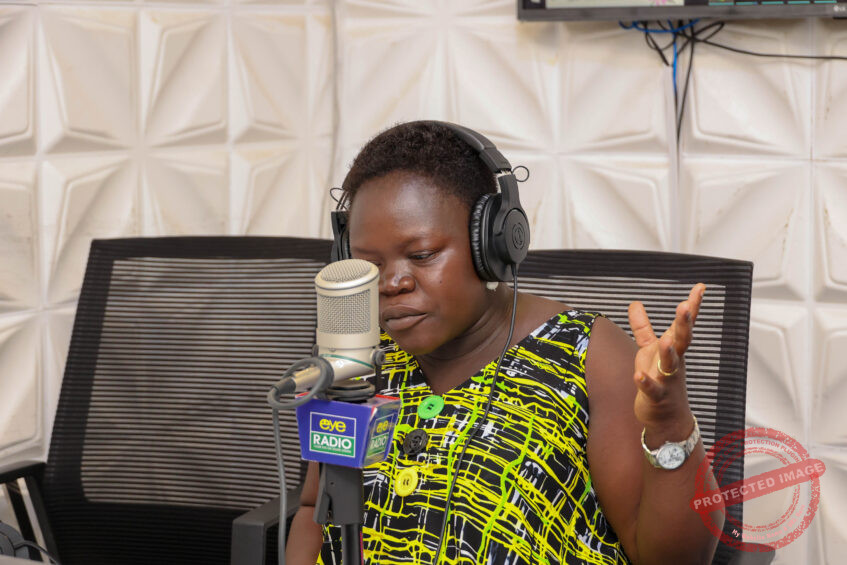
Salume Kwaje Taban – a sexual violence specialist with ICRC, South Sudan|By Darlington Moses-19/06/2025
A gender specialist is urging families, communities, and stakeholders in South Sudan to show compassion, not condemnation, toward survivors of sexual violence in conflict, in a bit to end to stigma, shame, and blame.
Salume Kwaje Taban, a sexual violence specialist with the International Committee of the Red Cross (ICRC) in South Sudan, made the appeal during an interview on Eye Radio’s Dawn show this morning.
She stressed the importance of emotional and social support in the recovery journey of survivors, especially in a context where sexual violence has become deeply embedded in the country’s conflict history.
“If we can change our attitude towards survivors, from blaming and making them feel guilty, to one that is supportive and accepting, I think survivors will be able to seek the help they need,” said Salume.
“Sexual violence has grave consequences not only for the victims themselves but also for their families. When we isolate them or gossip, it prevents them from coming forward and healing.”
Her remarks come as the world marks the International Day for the Elimination of Sexual Violence in Conflict, observed annually on 19 June.
Many victims of gender-based violence in South Sudan face rejection by their families, divorce, and isolation from their communities. This stigma often deters them from seeking medical, psychological, or legal assistance.
“These long-term consequences worsen when survivors are not supported. We need to stand in solidarity with them and send a clear message: they are not to blame,” she added.
South Sudan has experienced immense sexual gender-based violence against women and girls since the outbreak of the conflict in 2013.
Over a decade of conflict and inter communal violence, it has led to the normalization of sexual violence among the weapon bearers as well as civilians.
It has also reinforced preexisting and harmful social norms that lead to victim blaming.
Stigma including rejection by family, divorce and isolation from the community are key reasons most victims /survivors fear seeking help.
That in turn causes delays in accessing necessary care and worsens many long-term consequences for victims or survivors and their families.
The ICRC and other humanitarian organizations continue to advocate for survivor-centered responses, including legal protection, access to health care, and psychosocial support.

Currently on air
00:00:00 - 06:00:00
 1
1Published August 23, 2026
 2
2Published August 23, 2026
 3
3Published August 19, 2026
 4
4Published August 24, 2026
 5
5Published August 19, 2026
 6
6Published August 20, 2026
 7
7Published August 24, 2026
 8
8Published August 21, 2026
Published 5 hours ago
Published 6 hours ago
Published 6 hours ago
Published 7 hours ago

Published 8 hours ago
Published 9 hours ago
Support Eye Radio, the first independent radio broadcaster of news, information & entertainment in South Sudan.
Make a monthly or a one off contribution.
Copyright 2026. All rights reserved. Eye Radio is a product of Eye Media Limited.