
28th August 2026
7 million people in South Sudan are likely to be affected as the conflict in the country risks reversing gains in food security that it has made over the past year, the UN World Food Program has said.
The senior regional spokesperson of the W-F-P says currently, an estimated 4 million people are affected by food scarcity and this figure is likely to rise by another 2 million.
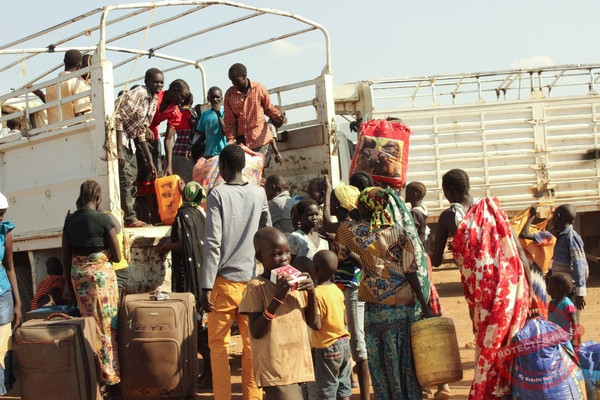
She said Jonglei, Upper Nile and Unity states are the most affected areas in the country with higher levels of food insecurity, the highest cereal deficit and very high dependency on markets.
“The conflict is not only affecting people in the conflict states,” Challiss McDonough told Eye Radio, “the food insecurity has actually worsened throughout the country partly because markets have been disrupted and transport has been disrupted.”
“So, food prices in many places would be very high and food would not be available in some markets even if those areas are not directly affected by conflict because the transporters just cannot get it there on insecure roads.”
Madam McDonough said prolonged conflict will also have a serious impact on the ability of households to produce food for the next planting year.
“And this is a real shame because before this conflict erupted, South Sudan actually had basically had the highest level of food security in five years,” she said.
She revealed that insecurity is compromising their ability to pre-position food assistance to affected areas by roads.
“WFP has to airlift aid which is more expensive,” she added.
Madam McDonough says WFP would require 432 million dollars to meet immediate needs before the rainy season.
She also confirmed that the Food and Agriculture Organization of the United Nations aims at providing farming inputs to 20 million people in the country, in an effort to reduce the risk of food scarcity.

Currently on air
00:00:00 - 06:00:00
 1
1Published August 23, 2026
 2
2Published August 23, 2026
 3
3Published August 24, 2026
 4
4Published August 24, 2026
 5
5Published August 25, 2026
 6
6Published August 25, 2026
 7
7 8
8Published August 24, 2026
Published 8 hours ago
Published 8 hours ago
Published 8 hours ago

Published 10 hours ago

Published 10 hours ago

Published 10 hours ago
Support Eye Radio, the first independent radio broadcaster of news, information & entertainment in South Sudan.
Make a monthly or a one off contribution.
Copyright 2026. All rights reserved. Eye Radio is a product of Eye Media Limited.