22nd May 2026

South Sudan Police Service lifts dawn-to-dusk curfew

The South Sudan Police Service has officially lifted the curfew that was imposed on January 17, following riots and looting targeting Sudanese-owned shops in Juba and other cities across the country.

This decision was confirmed by Colonel John Kassara Koang Nhial, the Police Service Spokesperson, during an announcement on Eye Radio.

The unrest stemmed from incidents in Wad Madani city in Gezira State, Sudan, where South Sudanese citizens were targeted and killed after the Sudanese army took control of the city.

In response, violence erupted in South Sudan, resulting in loss of lives and damage to property particularly affecting Sudanese-owned businesses.

To restore order, the police imposed a curfew and provided refuge to many Sudanese citizens, who sought safety in police headquarters in Juba.

Over the past days, these individuals have gradually returned to their homes, enabling authorities to reassess the security situation.

The announcement signals a return to normalcy in the capital and other affected cities, as the police continue to monitor the situation to prevent further unrest.

NCA revokes ban on Facebook, TikTok

The National communication Authority has lifted the ban on two social media platforms and urged the internet providers and Telecom operators hosting Facebook and TikTok Servers in South Sudan to monitory inflammatory and graphic content that should be pulled down as it lifted

The NCA said the lifting of the ban imposed on January 22nd, was a result of successful removal of graphic and inflammatory content.

To that effect the NCA said, “We urging all our licensees with cache servers of Facebook and Tik Tok being hosted in South Sudan to actively participate in monitoring these social media platforms and to assist in reporting inflammatory and graphic content that should be pulled down by the social media platform operators”.

The NCA appreciated mobile companies for their cooperation in helping the authority fulfill its mandate.

However, it underscores the need for a balanced approach that addresses the root causes of online incitement while protecting the rights of the population due to the rise of violence linked to social media content in South Sudan

By lifting of this blockage of Facebook and TikTok operations, the NCA said it wished to foster a safer digital environment and promote peace and in the country.

Last evening MTN, ZAIN and Digital confirmed the lifting of the social media ban and notified their users of the revived services.

Rebels say they have taken DR Congo city as thousands flee

Rebels of the M23 movement say they have taken control of the city of Goma in the Democratic Republic of Congo’s east.

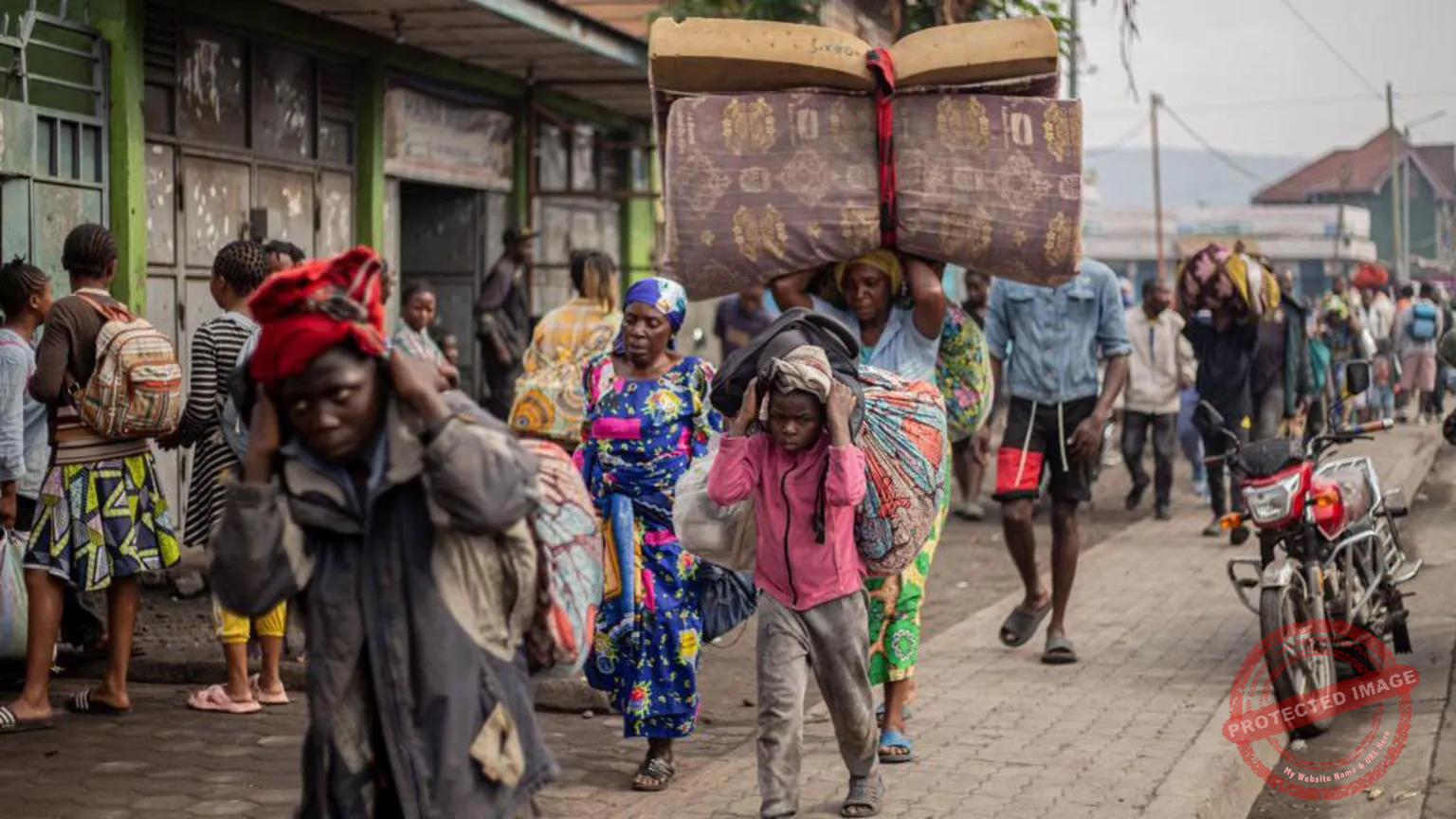
Residents shared videos of M23 rebels patrolling Goma’s main streets following a lightning advance against the Congolese army on Sunday that saw tens of thousands of people fleeing neighbouring towns.

After hours of gunfire and explosions in the streets of Goma – home to more than a million people – are now quiet, according to local media reports.

It comes hours after DR Congo’s foreign minister accused Rwanda of declaring war by sending its troops over the border to support the M23 rebels. Rwanda says Kinshasa supports militias who want regime change in Kigali.

Kenya has called for a ceasefire, and announced that the presidents of both the DR Congo and Rwanda will attend an emergency regional summit in the next two days.

Kenyan President William Ruto, the current chair of the the East African Community, said it was incumbent on regional leaders to help facilitate a peaceful solution to the conflict.

The M23 group has taken control of vast parts of mineral-rich eastern DR Congo since 2021. In the past few weeks the group has been advancing swiftly on Goma amid intense fighting.

Since the start of 2025 more than 400,000 people have been displaced in north and South Kivu, provinces near the border with Rwanda, according to the UN’s refugee agency.

Juba expresses concern over delays in Sudan’s Wad Madani probe

Officials from South Sudan and Sudan have convened in Juba to address critical bilateral concerns, including the voluntary return process for citizens of both nations and updates on the investigation into the Wad Madani incident.

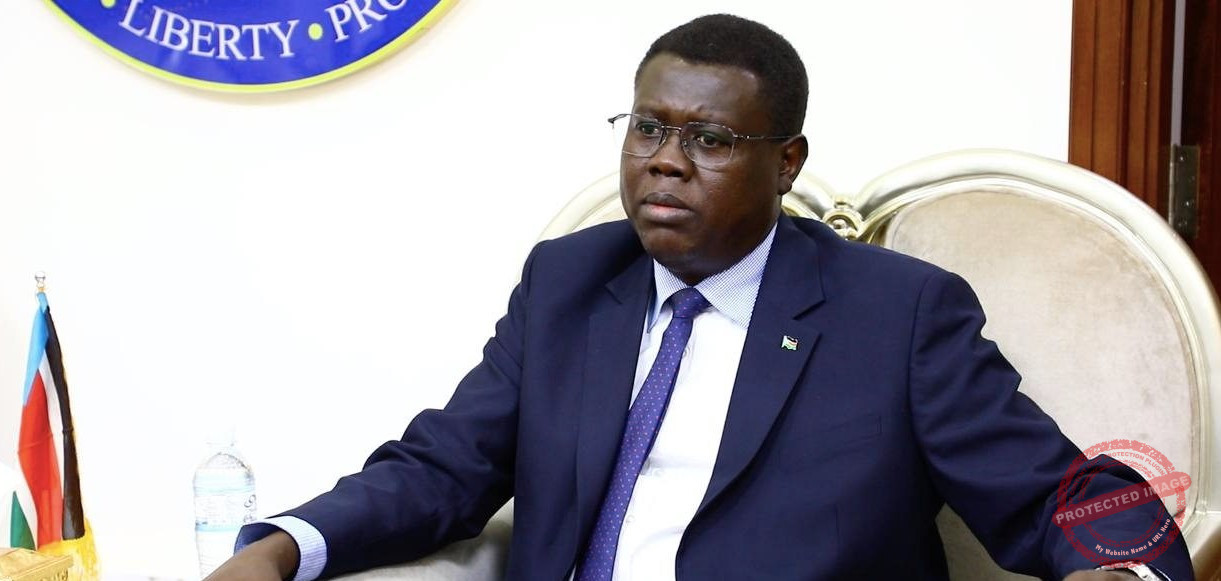
The meeting between South Sudan’s Acting Minister of Foreign Affairs, Monday Semaya Kumba, and Sudanese Ambassador to South Sudan, Issam Mohamed Karrar took place at the weekend.

The discussions emphasized fostering mutual understanding and enhancing cooperation between the two countries’ foreign ministries. Key topics included:

This is including voluntary return process and ensuring the safe and dignified return of South Sudanese and Sudanese nationals.

Both officials discussed the investigation progress of the brutal killing of South Sudanese citizens in Wad Madani, with South Sudan’s government expressing concern over delays in the final report.

The other issues were the need for consular visits to South Sudanese nationals in Sudan, including in Wad Madani and Port Sudan.

Acting Minister Kumba reiterated South Sudan’s call for transparency in the investigation and resubmitted a formal request for the South Sudan Embassy in Port Sudan to provide essential consular services to citizens in affected areas.

In response, Ambassador Karrar reaffirmed Sudan’s commitment to cooperation, expressing readiness to facilitate consular visits requested by South Sudan.

Both parties emphasized the importance of maintaining open communication to resolve shared challenges and promote the well-being of citizens in both countries.

This meeting marks another step in strengthening bilateral relations, with both sides committed to fostering effective collaboration and addressing mutual concerns for the benefit of their nations.

Trump orders immediate pause to foreign aid, according to leaked memo


The US State Department has issued a halt to nearly all existing foreign assistance and paused new aid, according to an internal memo sent to officials and US embassies abroad, the BBC reported confirming a leaked memo’s contents.

The leaked notice follows President Trump’s executive order issued on Monday for a 90-day pause in foreign development assistance pending a review of efficiencies and consistency with his foreign policy.

The United States is the world’s biggest international aid donor spending $68bn in 2023 according to government figures. The State Department notice appears to affect everything from development assistance to military aid.

It makes exceptions only for emergency food aid and for military funding for Israel and Egypt.

It adds that US officials “shall immediately issue stop-work orders, consistent with the terms of the relevant award, until such time as the secretary shall determine, following a review.”

It also orders a wide scale review of all foreign assistance to be completed within 85 days to ensure the aid adheres to President Trump’s foreign policy goals.

Secretary of State Marco Rubio – the US’s top diplomat – has previously stated that all US spending abroad should take place only if it makes America “stronger”, “safer” or “more prosperous”.

One former senior State Department official told the BBC the notice meant a “potentially huge” impact on foreign aid programs funded by the US.

“One can imagine, for example, the humanitarian de-mining programs around the world suddenly being told stop work. That’s a pretty big deal,” said Josh Paul, who oversaw Congressional relations on weapons transfers at the State Department until late 2023.

Dave Harden, a former US Agency of International Aid (USAID) mission director in the Middle East, told the BBC the move was “very significant”, saying it could see humanitarian and development programs funded by the US around the world being immediately suspended, while the review is carried out.

He said it could affect a wide range of critical development projects including water, sanitation and shelter.

“The employees of the implementing partner or the [non-governmental organisation] would be able to be paid, but actual assistance, I think, needs to be halted,” said Mr Harden.

“I have gone through [assistance suspensions] many times when I was the West Bank and Gaza mission director, but that was specific to that account. This is global,” he said.

“Not only does it pause assistance, but it puts a ‘stop work’ order in existing contracts that are already funded and underway. It’s extremely broad,” he added.

The AFP news agency reported the funding freeze could also potentially affect Ukraine, which received billions of dollars in weapons under Trump’s predecessor Joe Biden.

Rubio’s memo, justifying the freeze, said it was impossible for the new administration to assess whether existing foreign aid commitments “are not duplicated, are effective and are consistent with President Trump’s foreign policy”.

Rubio has issued a waiver for emergency food assistance, according to the memo.

This comes amid a surge of humanitarian aid into the Gaza Strip after a ceasefire between Israel and Hamas began, and several other hunger crises around the world, including Sudan.

The memo also said waivers have so far been approved by Rubio for “foreign military financing for Israel and Egypt and administrative expenses, including salaries, necessary to administer foreign military financing”.

The State Department has been approached for comment.


Hundreds of Magwi villagers displaced as herders graze on farms-chief

Magwi Local Chief has reported that hundreds of households have been displaced following cattle invasion of several villages and homes, destroying farm produce with cattle owners allegedly forcefully settling in the locals’ tukuls.

Okot Sonic Agoro Payam, the Head Chief, reported that over 7,000 were displaced from Nyolo Boma where the cattle influx was first reported, and more than 3,000 from Agoro Chomboro, including others from Ayii Kit and Agoro Y.

Okot said a majority of the displaced population are internally seeking asylum in Magwi, while others have crossed the border to Uganda and other locations.

“Now the communities are in fear, forcing them to leave their homes, not only Nyolo community but also Ayii Kit, Chomboro, and Agoro Y, because they can’t live any longer with people holding ammunition.

“Someone who threatens you and at times put you at gunpoint for no reason and could destroy your property and yet they can’t say sorry, and you shouldn’t talk about it so you can’t stay with such people in the same place and that’s the reason people are leaving the areas.

“They also do beat people who try to stop them from invading homes and houses, including destroying properties since you can’t beat them because they have guns.

“In Nyolo, which has a population of 7166 all have moved away from their homes and fled to Juba, Nimule, Uganda, and Magwi. In Chomboro with 3738 also evacuated their village”, said the chief.

For her part, a women leader in Nyolo Boma who has also been displaced to Magwi Town says, their homes have been occupied by large kraals of cattle, which destroyed several of their farmlands and crops.

Vicky Achiro underscores that the herders are hostile to the villagers, prompting their displacement from the area.

She says there were incidents involving herders threatening innocent farmers, saying a woman was beaten in an effort to stop the herders from allowing their cattle to feed on their unharvested crops.

Achiro added that, women and children are now lacking shelter and what to eat in Magwi, calling for government intervention to rescue their situation.

“In the last two days ago, we left our villages for Magwi without anything to start living there. We lack shelter and what to eat.

“Back there, the herders are inside our homes with their animals.  There were women who opted to stop the herders from destroying their crops, but later, one of the women was beaten by a young boy.

“She was told to avoid talking but was later allowed to harvest her produce s after she was beaten already”, she narrated her ordeal to Eye Radio.

Efforts to contact the herders’ leaders, Eastern Equatoria State authorities, were futile at the press release.

However, the incident comes two weeks after Governor Lobong raised an alarm and ordered the Magwi County Commissioner to investigate the looming influx of herders into the area.

Traditional authorities demand inclusion in constitution-making process

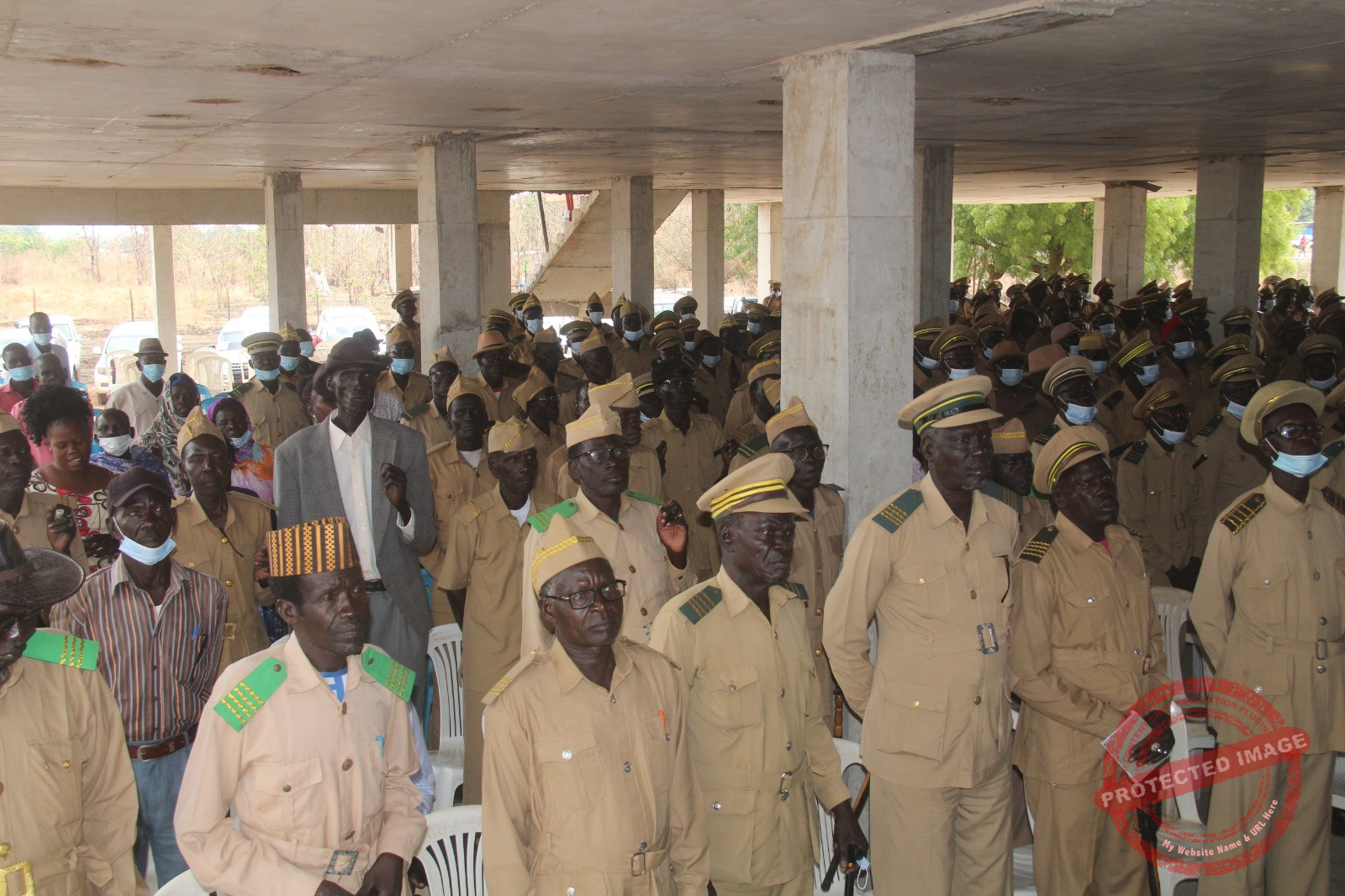
The National Council of Traditional Leaders’ steering committee has stressed the need to include traditional authorities in the constitution-making process .

The committee made the call during a meeting held on Friday in Juba.

The meeting brought together several traditional chiefs and the Minister of Justice to discuss the integration of traditional leadership into South Sudan’s constitutional framework.

Prince Tadeo Marie, a representative of the National Council of Traditional Leaders’ steering committee, stressed on the importance of involving traditional leaders to ensure a constitution that reflects the people’s aspirations and addresses historical short-comings.

Prince Marie said the Traditional leaders have always played a vital role in solving problems during crises and wars, providing peace and guidance for our communities.

Marie said one of the key issues discussed during the meeting included the establishment of the National Council of Traditional Leaders, as outlined in South Sudan’s Constitution, and the challenges facing traditional authorities in conflict resolution and peace building efforts.

He added their inclusion in the constitution-making process is seen as a vital step toward strengthening the social fabric and ensuring the Constitution reflects South Sudan’s diverse cultural heritage.

“We know that Constitution is the peoples’ agreement and therefore it is very important that  a constitution process include the traditional the authorities to avoid many historical short-coming that have been happening along our history.

“The second issue we discussed is the issue of how it is stipulated in the Constitution of South Sudan. So, the meeting was very fruitful given the challenges facing the traditional authority. They are all involved in solving problems during crisis.

“During war it was the traditional leaders who were there to provide peace for people and others.

South Sudan has a long history of violent conflict and according to a 201-2023 research by the European Union, while much attention has been given to national-level peace efforts, inter-communal violent conflicts have increased in some states.

Nevertheless, it said, some communities manage to prevent or peacefully resolve local conflicts based on bottom-up, dynamic, and solution-oriented Conflict Prevention and Resolution Mechanisms.

The report stressed that an in-depth understanding of community-level Conflict Prevention and Resolution Mechanisms is thus needed to shed light on the functioning and the current challenges of these mechanisms.

560 women to benefit from Juba anti-GBV programs

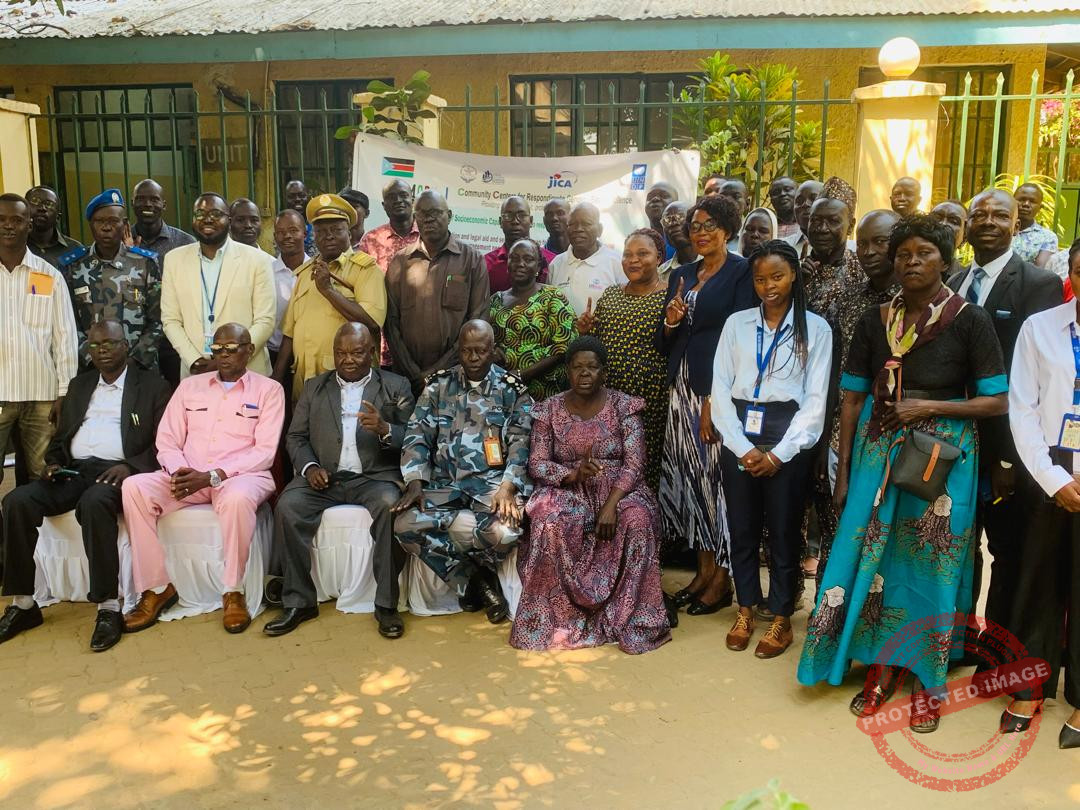
A Gender-Based Violence program targeting more than five hundred women with legal aid and protection as well as business opportunities in Central Equatoria’s Juba has been has initiated.

The 200,000-budget line project by Star Trust, a national none-governmental organization will also the capacities of women around business skills, financial management, record keeping, entrepreneurship, and other business-related trainings.

Binza Joel, who is Star Trust Program Manager said the program will provide legal aid and protection to 560 women and support

“We shall also be targeting 560 women with legal aid and protection, Gender-Based Violence Protection and awareness issues in Juba and not everywhere in Juba but very specific areas.

“We are operating in market areas in Gudele that is Kubri Haboba, in Jebel and in Konyo-Konyo markets. We are also going to assess and validate infrastructure that can support women in business.”

Lilly Andrea, officer in charge of Kubri Habuba Market Zone is appealing to women in Gudele residential area in Juba to come for registration

Brigade James Dak Karlo, Director of Special Protection Unit and Child Affairs says, his Directorate will embark on community awareness for the inclusivity of this project

“Our first program will be empowerment over the radio, in the community, in the schools, in trade unions, and we are going to organize our people and tell them to participate in this project.”

The Secretary General for Terekeka County Women Association, Agnes Dudu Abraham conveyed the experiences and challenges faced by women in the community.

“I want to urge them to be close to women office so that they get information and come out of the challenges facing them.”

Meanwhile, Central Equatoria Stat technical adviser for gender, child and social welfare, Peter Butili Takoro Farajalla, urges stakeholders to properly use the available resources for better impact of the project.

“The selection criteria should not be bias, the selection criteria should not be partial but should be impartial. We have seen many projects coming to South Sudan, particularly these local-based projects where funds are misused and the resources are diverted.

“So this, we must make sure that the resources go to the right people and this will benefit our community”, he said.

  Continue reading “560 women to benefit from Juba anti-GBV programs”

Upper Nile govt builds 130 houses to lure IDPs back home

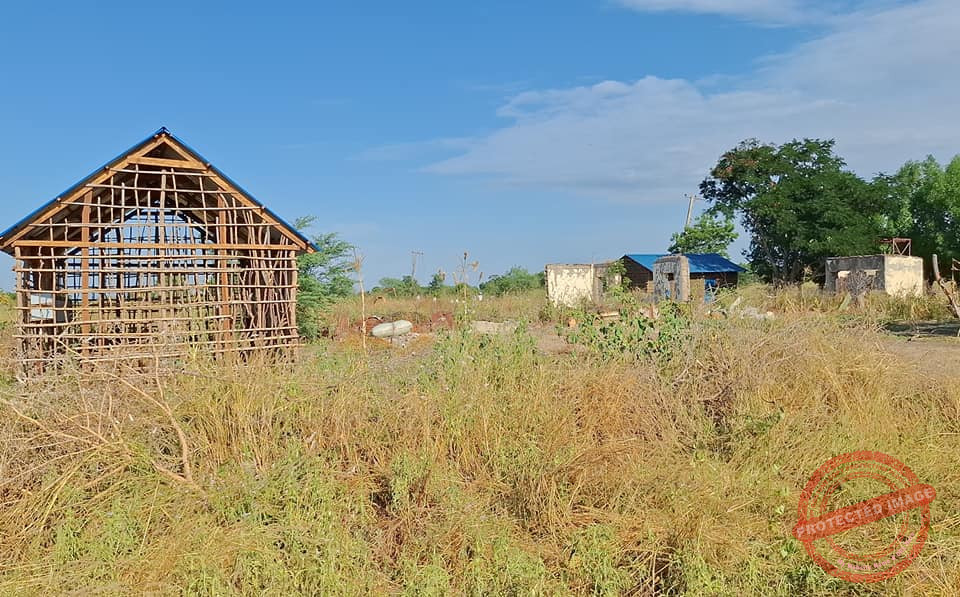
The Press Officer for the Governor of Upper Nile State announced that 130 newly constructed structured houses in Malakal have been completed and are now ready for occupancy.

“For Hai Matar, they have built at least 130 structured houses, which are now ready for use. Of course, some people have started settling in these places, and they were transitioning to other residential areas”, said Ronyo.

Mr Ronyo Ador said some people have begun to settle in these homes although the numbers are currently small.

Ador mentioned that he isn’t sure if Lwakat residential has seen similar developments yet but plans to gather more information from the relevant authorities.

He notes that the strategy was to encourage residents to return to their original neighborhoods and to facilitate the provision of running water and other essential services.

“There are some people because what was done last time was for them to come back to their places so that the running water and services are made available as quickly as possible.

“So the houses were a little bit closer together making of course people feel like this is a community.”

According to Mr. Ronyo Ador, the government has encouraged those with housing to go to the Housing Development Corporation (HDC) or the Ministry of Housing to process relevant paperwork and establish homes.

“The Government haS a policy of not setting up scamp. So whoever has a house in the State or in the town here should go to Housing Development Corporation or maybe the Ministry of Housing and process the papers and set up the structure.

Unfortunately, talking about hygiene and overcrowding ,the situation in POC is not favorable for some of them. So the number is increasing actually in town and the situation is getting better and better by the day.”

Support Eye Radio, the first independent radio broadcaster of news, information & entertainment in South Sudan.

Make a monthly or a one off contribution.