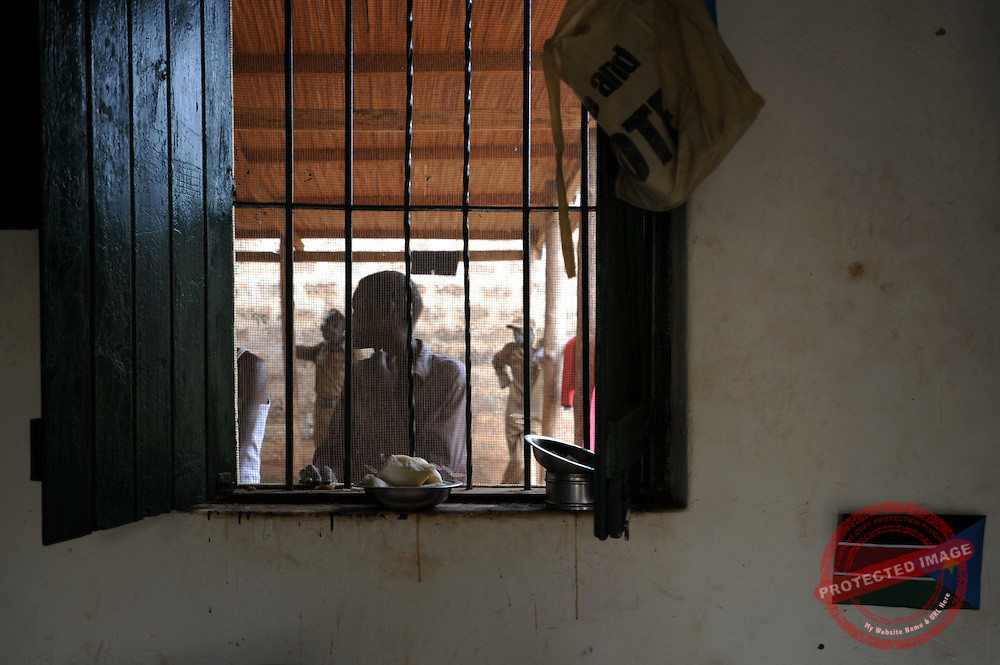
An Eritrean national, Yuhanna Gabrial Michael, has been released from Juba Central Prison after spending 12 years on death row following his conviction for the killing of his wife in 2014. Continue reading “Free at last: Eritrean man released from Juba prison after 12 years on death row”
Year: 2026
“Don’t mix criticism with lies” – prof Akech rebukes government critics

The Vice Chancellor of the University of Juba, Prof John Akech, has called for responsible criticism and cautioned against mixing criticism with false information. Continue reading ““Don’t mix criticism with lies” – prof Akech rebukes government critics”
Bor County imposes “no-blood compensation” for gang members killed in crime
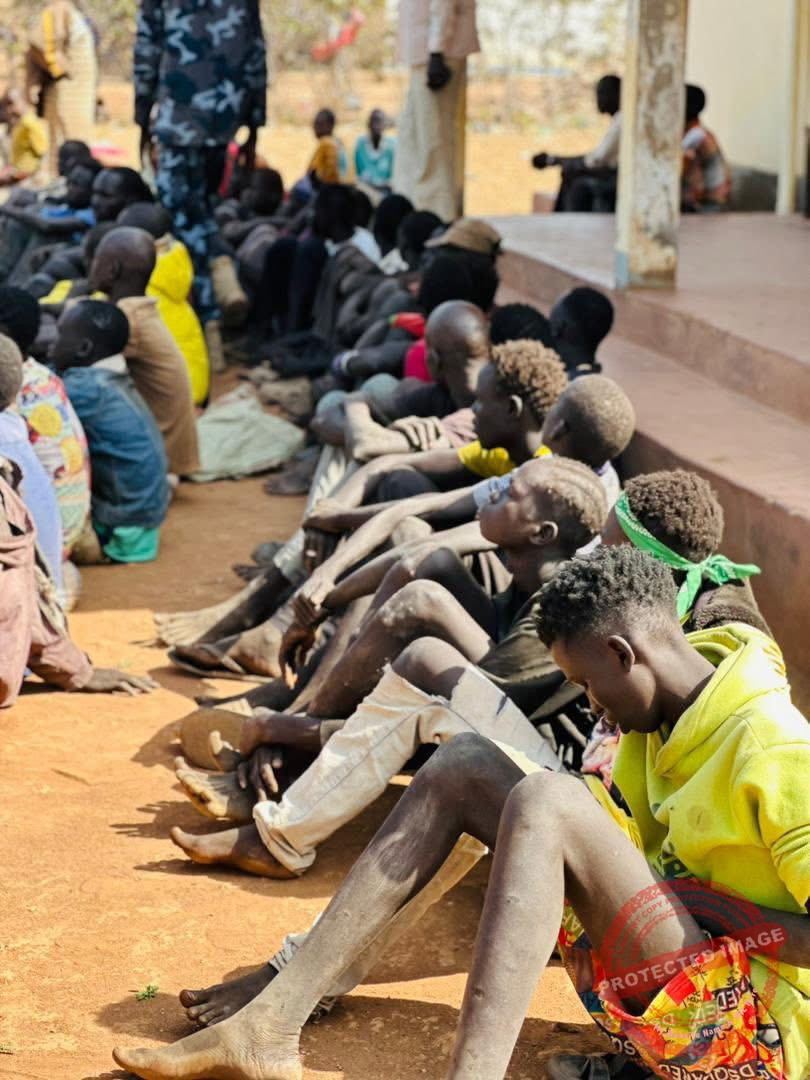
The commissioner of Bor County, Samuel Ateny Pech, says traditional leaders have agreed on tough measures to address gang violence, including a nine-year jail term for identified gang members and a ban on blood compensation for those killed during criminal acts. Continue reading “Bor County imposes “no-blood compensation” for gang members killed in crime”
Minister Ateny pledges safety, freedom for journalists

The Minister of Information and Government Spokesperson, Ateny Wek Ateny, has reaffirmed the government’s commitment to protecting journalists and upholding media freedom in the pursuit of truth and public service.
Minister Ateny made the remarks on Saturday during a “Dinner with the Media Fraternity” held in Juba, which brought together members of the diplomatic corps, academia, government officials, media managers, editors, and journalists.
Speaking at the event, he praised journalists for their role in informing the public and pledged continued government support to ensure their safety and dignity while carrying out their duties.
He said the Ministry remains committed to ensuring that journalists do not face intimidation, threats, or harassment in the course of their work.
Ateny said, and I quote, “I will continue to work for close cooperation between journalists and government institutions. They should be allowed to do their work without harassment,” end quote.
The Minister also urged journalists to maintain professionalism in their reporting in order to reduce misunderstandings with different institutions.
He further commended journalists and media executives for their contribution to nation-building and encouraged them to continue playing a constructive role, especially ahead of the upcoming national elections.
SPLM-IO lawmakers protest peace amendment process

Wau’s Kubri Sitta Bridge renamed Salva Kiir Bridge
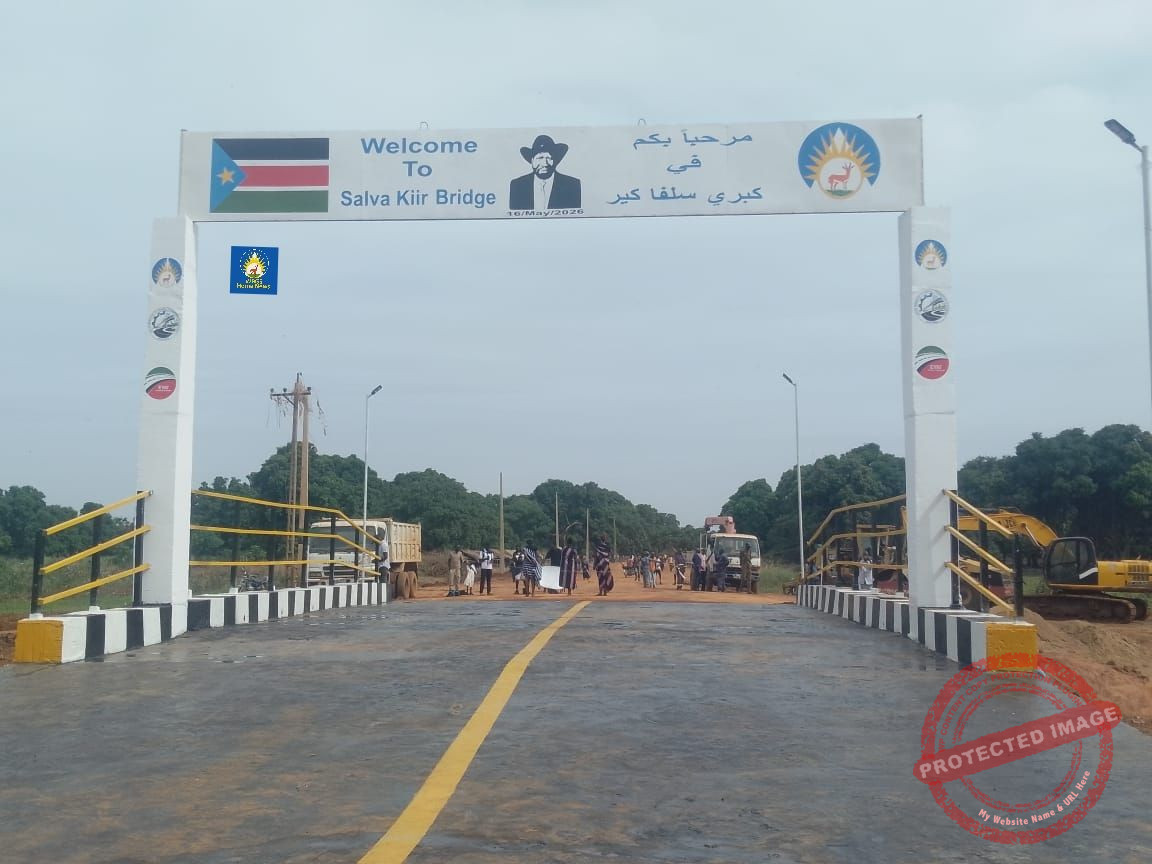
The parliament of Western Bahr el Ghazal State has renamed a major bridge in Wau in honour of President Salva Kiir. Continue reading “Wau’s Kubri Sitta Bridge renamed Salva Kiir Bridge”
Social workers call for better community support for child abuse survivors
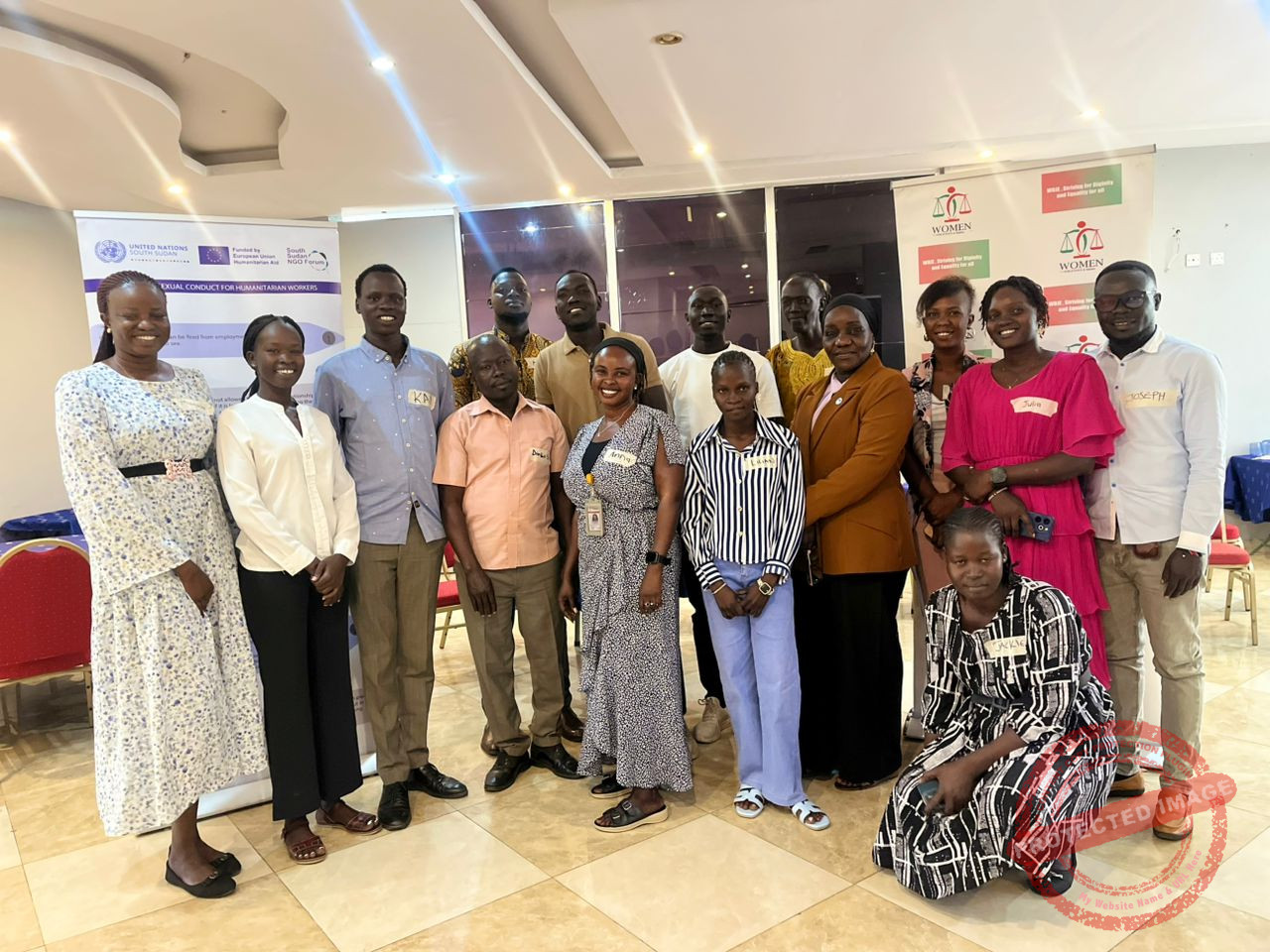
Social workers and child protection officers in South Sudan are calling for stronger community support systems to help children who survive sexual abuse and gender-based violence. Continue reading “Social workers call for better community support for child abuse survivors”
Opinion|Pojulu cultural festival: A bridge for unity and peace

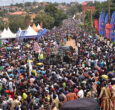
After observing the Pojulu Cultural Festival for the past two days, I realized it is a strong platform that can transform how South Sudanese people connect.
More than just a cultural celebration, it provides a significant way to promote peace, dialogue, and unity.
This annual event in Juba highlights the rich traditions and identity of the Pojulu people of Central Equatoria.
It unites diverse communities through music, dance, storytelling, and shared cultural experiences, creating a space for people to connect across ethnic and social lines.
While the event has mainly been funded by the Pojulu community members both in South Sudan and abroad, it is led by Minister of Cabinet Affairs Dr. Martin Elia Lomuro, with the support of enthusiastic youth.
This shows strong community involvement and commitment. During the festival, there was also good news about fundraising efforts to build a bridge that will link the county to neighboring Uganda, which symbolizes development and regional integration.
At a time when South Sudanese people seek lasting peace, and when insecurity, including violence in Juba, disrupts daily life, the festival shows how culture can unite.
It turns tradition into a bridge, connecting communities, strengthening relationships, and fostering a spirit of togetherness across the nation.
Since it became an official annual event in 2024, the festival has rapidly grown, attracting thousands from South Sudan and the diaspora.
This growth reflects a national need for safe and inclusive spaces where identity, pride, and unity can be celebrated together.
For many residents in Juba’s neighborhoods, the festival not only offers celebration but also provides freedom and a sense of belonging, especially when rural access has been limited due to insecurity.
In a country like South Sudan, investing in cultural festivals is essential. These events create practical ways to achieve lasting peace, social unity, and national cohesion.
When these festivals are well-organized and inclusive, they do more than celebrate; they become tools for reconciliation and nation-building.
Cultural festivals are important because they bring people together across differences. South Sudan is home to many ethnic groups, each with unique traditions and histories.
Festivals create shared spaces where communities can meet, interact, and appreciate one another’s heritage, reducing mistrust and encouraging peaceful coexistence.
During the Pojulu Cultural Festival, participants enjoy traditional dances, rhythmic drumming, storytelling from elders, and cultural exhibitions showcasing attire, tools, and local food.
Youth engagement is also key, with activities like wrestling and traditional games, alongside discussions promoting peace, unity, and cultural pride.
Beyond celebration, the festival serves a broader national purpose. It helps preserve cultural heritage for future generations, fosters unity among diverse communities, strengthens national identity, and creates opportunities for dialogue, reconciliation, and healing after conflict.
Now more than ever, South Sudan needs vibrant cultural events like the Pojulu Cultural Festival to unite its people, bridge divisions, celebrate diversity, and shape a collective national identity
Across the continent, events like Africa Day show how culture can unite people beyond borders.
In the same way, South Sudan has a unique chance to use its cultural festivals as powerful tools for unity, peace, and nation-building. Importantly, I recognize this vision goes beyond just one community like the Pojulu.
Cultural festivals among the Mundari people of Terekeka County, the Shilluk community of Upper Nile State, and the Nyangwara people of Juba County all play a key role in preserving heritage and strengthening social connections.
When these cultural platforms are supported and connected across communities, their impact becomes even more significant. They not only build cultural pride and identity but also create meaningful bridges of understanding among different groups.
This contributes to a stronger sense of belonging and helps advance a more peaceful, cohesive, and united South Sudan. Bravo to the Pojulu people. Keep up the spirit of unity in bringing together the entire country.
Disclaimer: The views and opinions expressed in this article are those of the author, Alhadi Hawari, and do not necessarily reflect the views, editorial position, or policies of Eye Radio.
Uganda man kills friend over missing rat meat

A man in northern Uganda has allegedly killed his friend following a dispute over missing roasted rat meat, according to Ugandan media reports. Continue reading “Uganda man kills friend over missing rat meat”
Dozens of children in suspected Juba trafficking case returned to NBGs
Authorities in Northern Bahr el Ghazal have received dozens of children who were returned from Juba following investigations into a suspected child trafficking case.
A few days ago, police in Juba intercepted a vehicle carrying 46 children from Aweil South County in Northern Bahr el Ghazal State to the capital without legal documentation or parental consent.
The children, aged between four and 12 years old, were allegedly being transported by individuals claiming to run churches and support programs for vulnerable children in Juba.
Speaking earlier in a phone interview, Police Spokesperson Daniel Justin said that suspects were arrested after failing to provide documents proving consent from parents or guardians.
“We arrested a car carrying up to 46 children coming from Northern Bahr el Ghazal State, Aweil South County. These children are claimed to be brought for schooling here in Juba without any documentation, no proper authority from the parents authorizing these people to take the children for schooling,” he said.
He added that the children were very young and authorities had launched investigations into the individuals involved.
“At the same time, they are very young of age, ranging from 4 to 12 years old. We are investigating the guy who is claiming to be the teacher in that school. We are consulting the parents in Aweil to provide us with information. We are still gathering,” he explained.
Police said the suspects claimed the children were being taken to schools in Juba for education and care. However, investigators became suspicious after discovering that none of the individuals involved had written authorization from families or local authorities.
Major General Daniel Justin said investigators were verifying the identities of the children and consulting parents and authorities in Northern Bahr el Ghazal State to establish whether the movement of the minors was lawful.
Authorities warned that transporting minors without parental consent and proper legal procedures may amount to human trafficking and child exploitation under South Sudanese law.
Police also urged the public to remain alert and report any suspicious movement of children, especially across states without proper documentation or family approval.
The incident raised concern among the public over the growing vulnerability of children to illegal trafficking networks operating under the guise of religious, educational, or humanitarian activities.