From independence to insecurity: Juba students demand change
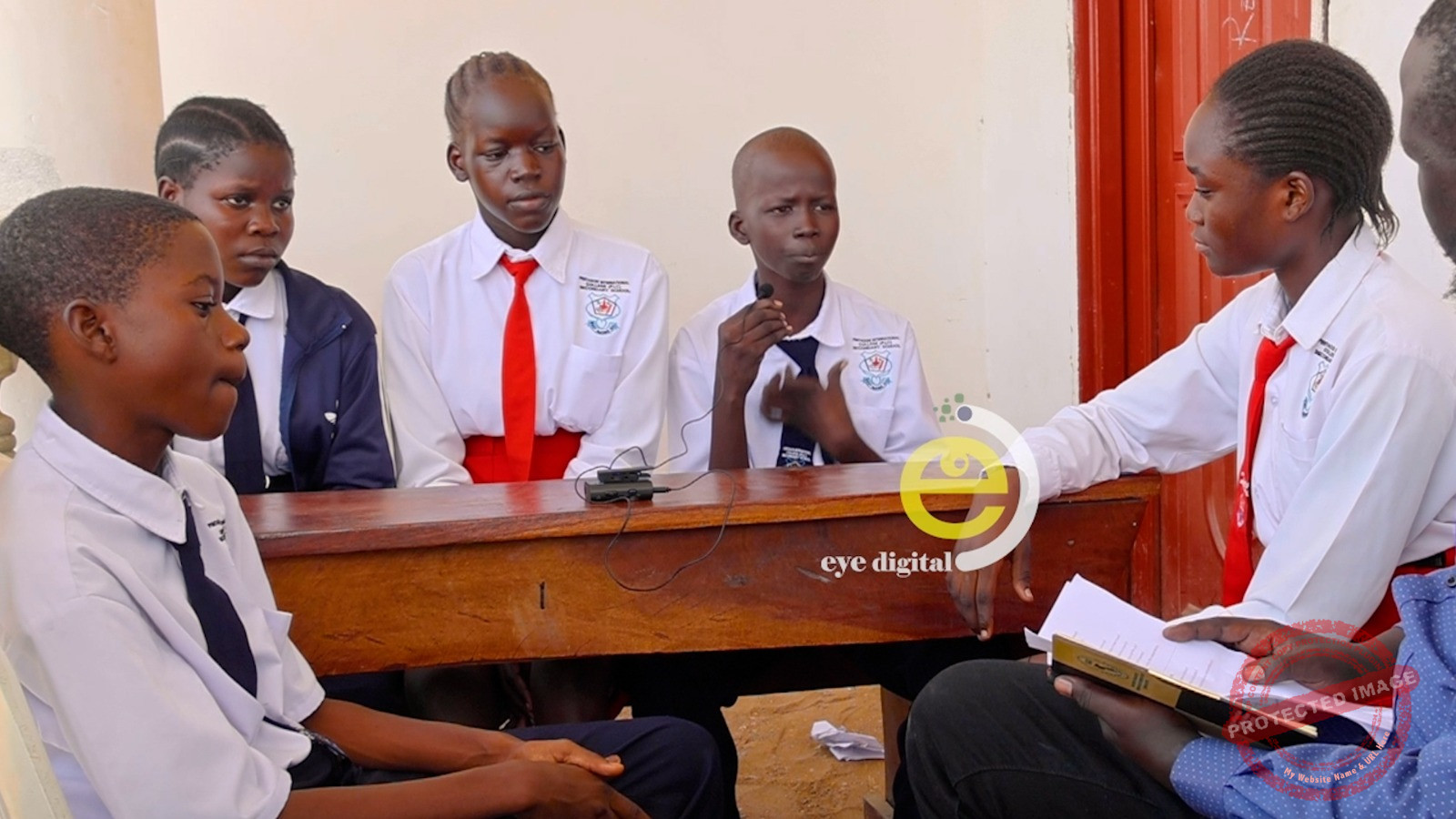
A group of pupils and students in Juba have shared mixed feelings about South Sudan’s progress since gaining independence in 2011, with many expressing frustration over persistent insecurity, a failing education system, and deepening tribal divisions.
Edward Tongo, a 13-year-old pupil, questioned the value of the country’s hard-won independence, saying it has yet to deliver on its promises.
“Now how are we controlling ourselves, since we’ve already gained independence? How are we helping ourselves?” Edward asked.
“Our ancestors—our martyrs—died in the bush fighting for our freedom. They believed that we in the South deserved quality education and better opportunities, just like the North had during the time of united Sudan. They fought hoping their children would enjoy quality education and food. But look at us now—are we getting that?”
Fifteen-year-old student Bara Sharon echoed Edward’s sentiments, saying life has deteriorated since independence.“When this country gained independence on 9th July 2011, the situation was better than it is now,” said Bara.
“I was born in 2010, and back then, the economy, health, and education sectors were more stable. Today, everything has fallen apart. Children are suffering. I appeal to the government to stabilize the economy and improve facilities in schools and health centers. Also, end the war. Political stability is essential for us to access basic services.”
Seventeen-year-old student Amina John said ongoing violence in regions like Nasir and parts of Upper Nile and Bahr el Ghazal has robbed many children of access to education.
“Those who fought for our independence envisioned a nation where all children could access quality education,” Amina said.
“But since 2011, that dream has been derailed by wars—first in 2013, then in 2016, and now again in places like Nasir. Children in these conflict zones are traumatized. They’ve lost loved ones and the support they needed for learning. You can’t learn in fear. A child needs peace, not stress and trauma.”
Other students raised similar concerns, calling for an end to tribalism, which they say fuels insecurity and violence.
Azania Sharon, a 15-year-old student, urged the government to promote unity and stop violence rooted in ethnic divisions.
“Since 9th July 2011, I haven’t seen much change in this country. There’s too much insecurity, especially due to tribalism,” she said.
“You hear of Dinka fighting another tribe over cattle, and this causes war. Students are afraid to go to school. Women and children suffer the most—they can’t defend themselves. I appeal to the government: end tribalism. We should live as one people, one nation—South Sudan—not divided by tribes.”
Despite their frustrations, the students expressed hope for a better future. Edward Tongo noted that as the world’s youngest nation, South Sudan still has potential to grow and improve.
South Sudan gained independence from Sudan on 9th July 2011 after decades of civil war. Fourteen years later, young citizens are calling for peace, justice, and better leadership to safeguard their future.