
20th February 2026
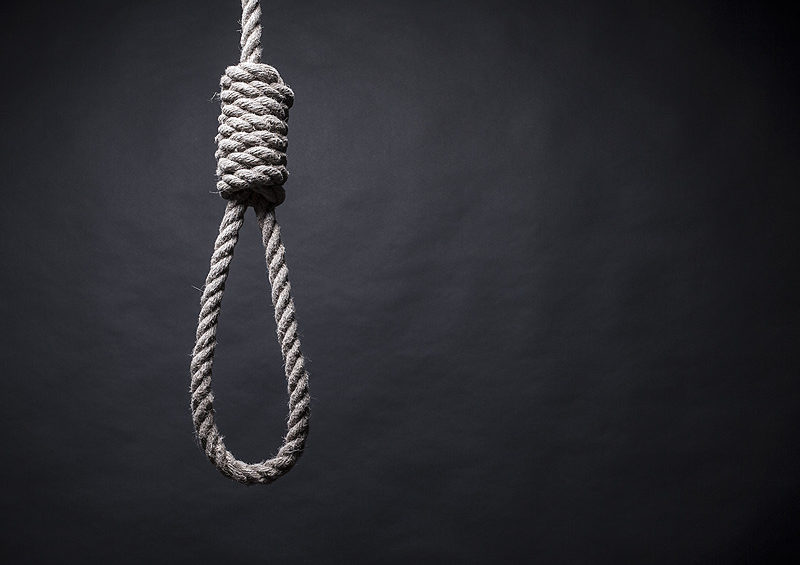
Rope for suicide - (Photo: Courtesy).
JUBA, South Sudan (Eye Radio) – A civil society report indicates that more than 500 people have died by suicide in South Sudan since January of this year, with Central Equatoria State accounting for more than half of the cases.
The study, conducted by the Community Empowerment for Progress Organisation (CEPO), recorded 507 suicide cases between January and August 2025.
Speaking to Eye Radio on Wednesday, September 17, CEPO’s Executive Director, Edmund Yakani, said the cases were tracked through police records, media reports, and field officers across the country. He noted that the report highlights the urgent need to provide psychosocial services to address the growing crisis, warning that the real figures could be higher since many cases go unreported.
“CEPO has a country early warning system, and one of our indicators in our early warning system is suicide. The indicator of suicide has two patterns. One is a suicide attempt, and the second is a suicide death that we have collected,” Yakani stated.
“This data may not be comprehensive because we have limited access to information through our methodology. Our methodology that informs the findings we are going to share with you is tracking police stations’ records on suicide across the country, tracking media reports on suicide, and the media refers to both the online and offline media. We also have our early warning officers who are reporting on our indicators of suicide across the country,” he said.
According to Yakani, Central Equatoria State reported the highest number of deaths, with 301 fatalities. He revealed that of these, 109 cases involved men, including 19 youths, while 192 cases involved women, among them 83 housewives and 53 young women.
Other states that reported higher numbers were Western Equatoria, Eastern Equatoria, Western Bahr el Ghazal, Northern Bahr el Ghazal, and Lakes.
“Within the period from January to August 2025, we registered 507 deaths due to suicide. Of the 507 deaths, 301 cases of suicide were registered in Central Equatoria State. The other 200 cases were across the country,” Yakani said.
“Central Equatoria State leads in registered cases of death due to suicide. This is simply because data collection in Central Equatoria State is much easier compared to other states,” he added.
Yakani broke down the numbers for Central Equatoria: “Out of the 301 deaths registered due to suicide in Central Equatoria State, 109 were male. Of the 109 male deaths, 19 of them were young individuals. We have 192 deaths of women, and out of the 192 deaths of women, 83 were housewives, while 53 were girls and young women.”
Yakani said that economic hardship, unemployment, drug abuse among youth, early and forced marriages, and insecurity worsened by political instability are some of the key drivers of suicide in South Sudan.
He urged political leaders to prioritize dialogue over violence and for the government to invest in trauma healing and counseling programs. Yakani also recommended encouraging better reporting of suicide attempts to improve data collection and guide interventions.
“The second state is Upper Nile State, which leads with 15 percent. While Eastern Equatoria State, Western Equatoria State, Western Bahr el Ghazal State, Northern Bahr el Ghazal State, and Lakes State have risen to 10 percent this year compared to 7 percent last year,” Yakani said.
“One of the outstanding results that is amazing and impressive is Jonglei State. It dropped last year from 15 percent to 9 percent. The involvement of families in communities or the fishing business in Jonglei has improved the family economy,” he added.
Yakani emphasized the link between the economy and suicide: “If I were to invest and inject money to prevent suicide, the economy plays a big role in the results of either making citizens commit suicide or citizens avoiding suicide.”
“Unemployment among the population, drug abuse among young people, forced and early marriages for girls, and also the insecurity across the country. These factors are all associated with the ongoing political instability in the country,” he said.
The activist recommended that the leaders should stop resolving their political differences using violence, which has an impact on the mental health of citizens.
“Our political leadership needs to know that their culture of resolving their political differences through a violent approach and not through a dialogue has a huge [health impact],” he said.
“There is a need for the country to invest in matters of trauma healing and counseling among the population.”
The government needs to find a way of encouraging people to report suicide attempts or cases that may lead to suicide because data collection around suicide is so limited,” Yakani concluded.
Currently on air
13:00:00 - 13:30:00
 1
1Published February 16, 2026
 2
2Published February 14, 2026
 3
3Published February 15, 2026
 4
4Published February 16, 2026
 5
5Published February 18, 2026

Published 45 minutes ago
Published 1 hour ago

Published 19 hours ago
Published 19 hours ago

Published 20 hours ago

Published 20 hours ago
Support Eye Radio, the first independent radio broadcaster of news, information & entertainment in South Sudan.
Make a monthly or a one off contribution.
Copyright 2026. All rights reserved. Eye Radio is a product of Eye Media Limited.