
18th August 2026
You are here: Home | Humanitarian | News | Peace | Security | Western Equatoria State | Western Equatoria reports progress in peacebuilding amid persistent challenges
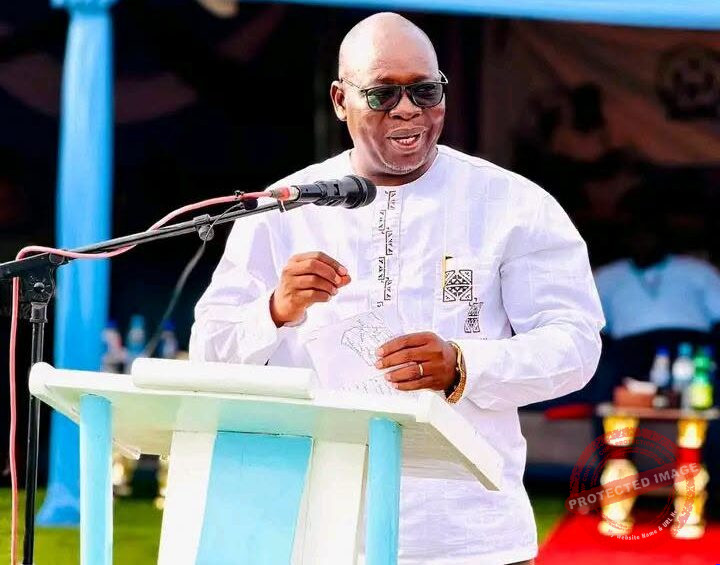
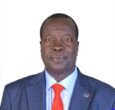
Justin Joseph Marona, Deputy Governor, Western Equatoria State. Photo credit: Office of the Deputy Governor - WES.
The Deputy Governor of Western Equatoria State, Justin Joseph Marona, says the state has made progress in peacebuilding and institutional development over the past year, but continues to face serious challenges including insecurity, cash shortages, weak public financial management and limited humanitarian preparedness.
Marona made the assessment on Saturday as he marked one year since his appointment as Deputy Governor on August 15, 2025.
He said the administration has focused on implementing the governance priorities outlined by President Salva Kiir, particularly maintaining security, promoting peace and restoring harmony among communities.
Marona said he developed a Peace and Security Stabilization Concept to support the unification and integration of forces, particularly members of opposition groups that have committed to peace.
The concept, he said, provides a framework for refresher training and the integration of forces into various security institutions.
He also highlighted his role as Deputy Chair of the State Security Committee in addressing security tensions and preventing escalation during the November 2025 incident in Yambio.
Marona said intensive security engagements helped contain the situation and restore calm.
He further cited the Rokon Peace Consensus as one of the major achievements of his administration.
The agreement followed tensions in Mundri East and Mundri West and involved the governments of Western Equatoria and Central Equatoria, with support from the United Nations.
According to Marona, implementation of the agreement has reached between 50 and 80 percent in different areas, although follow-up activities are still ongoing.
He also said the state government supported training on international humanitarian law involving the SSPDF, National Security, Police, Wildlife and Prison Services.
Marona said the training contributed to an improvement in the attitude of security forces toward rules of engagement.
He said his peacebuilding efforts have also focused on promoting forgiveness, reconciliation, respect, unity and peaceful coexistence through public engagements, churches and community gatherings.
The Deputy Governor said he has received positive feedback from communities across the state’s ten counties, with some communities reporting that the messages have contributed to local peace initiatives.
Despite the progress, Marona said insecurity remains a major challenge in parts of Mundri East, Mundri West, Yambio and other areas where armed groups continue to operate.
He called for continued peacebuilding and reconciliation, particularly in Greater Tambura, where he said communal and political factors continue to contribute to conflict.
Financial and institutional challenges
On the management of the state, Marona identified severe cash shortages and limited financial resources as some of the biggest challenges facing Western Equatoria.
He said state transfers often arrive as figures without sufficient cash, making it difficult for the government to pay salaries, purchase goods and services, conduct official travel and support staff training.
According to Marona, delays and shortages in salary payments have also affected the morale of government employees.
He further raised concerns over weak public financial management and what he described as a lack of sufficient political will and teamwork to fully implement financial reforms.
Marona said the state also faces difficulties in preparing financial statements showing the utilization of public funds and transfers from the national government.
He warned that this could affect the state’s efforts to attract development partners and investors.
However, he said Western Equatoria made significant progress in preparing and approving its 2025/2026 fiscal year budget.
Marona described the budget as the most technically detailed budget produced by the state since its establishment in 1994.
He said the budget book, Appropriation Act and Financial Act for the 2025/2026 fiscal year were approved and enacted in March 2026.
The Deputy Governor also said efforts were made to strengthen the State Pension Department as part of wider public-sector reforms targeting recruitment, promotion and retirement of government employees.
Humanitarian response remains a concern
Marona also identified humanitarian preparedness as another major challenge facing the state.
He said Western Equatoria lacks a government humanitarian response mechanism and strategic reserves of food and non-food items that could allow authorities to respond rapidly when emergencies occur.
He said the absence of such supplies means the state can face difficulties providing immediate assistance following an emergency.
Marona argued that establishing stronger humanitarian preparedness would allow authorities to conduct rapid assessments and intervene while waiting for assistance from humanitarian partners.
Financial constraints, he added, have made it difficult for the government to meet a range of operational needs.
Government expenditure and development initiatives
Marona also cited a decision he made while serving as Acting Governor to cancel a meat subsidy order issued by the Yambio County administration.
He said the subsidy could have required the state government to spend hundreds of millions of South Sudanese pounds without an allocation in the approved budget.
According to Marona, the order was operational for only one day before it was cancelled.
He said the decision was intended to prevent what he considered unnecessary expenditure and protect limited public resources.
On development, Marona highlighted the rehabilitation and renovation of the state stadium in Yambio.
He said he mobilized government institutions, security forces, development partners and members of the public to clean and rehabilitate the facility.
The stadium is now being used for sporting activities and, according to Marona, has become a source of revenue to support football development in the state.
He also said he initiated concept notes for establishing a Youth Centre for Development and developed legal instruments for public-private partnerships.
Marona said the proposed partnerships could help stimulate the rural economy, create employment and expand market access if approved and implemented.
Political reconciliation
The Deputy Governor also said political reconciliation has been central to his work over the past year.
He said his administration deliberately focused on promoting peace and harmony before expanding political activities for the SPLM-IO in the state.
Marona said the approach was intended to change perceptions of the SPLM-IO and demonstrate that the party is committed to implementing the peace agreement rather than promoting conflict.
He said political engagement among parties remains necessary because some divisions within Western Equatoria have political roots.
Marona called for continued cooperation among political actors and the development of a comprehensive peace and reconciliation agenda.
As he marks his first year in office, the Deputy Governor says Western Equatoria has recorded progress in security, peacebuilding, public financial management and youth development, but acknowledges that limited resources, insecurity, humanitarian gaps and institutional weaknesses continue to constrain the state’s ability to deliver services to its population.

Currently on air
16:00:00 - 18:00:00
 1
1Published August 16, 2026
 2
2Published August 16, 2026
 3
3Published August 11, 2026
 4
4 5
5Published August 12, 2026
 6
6Published August 17, 2026
 7
7Published 22 hours ago
 8
8Published August 13, 2026
Published 16 minutes ago
Published 2 hours ago
Published 4 hours ago
Published 4 hours ago

Published 4 hours ago
Support Eye Radio, the first independent radio broadcaster of news, information & entertainment in South Sudan.
Make a monthly or a one off contribution.
Copyright 2026. All rights reserved. Eye Radio is a product of Eye Media Limited.