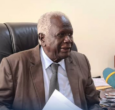
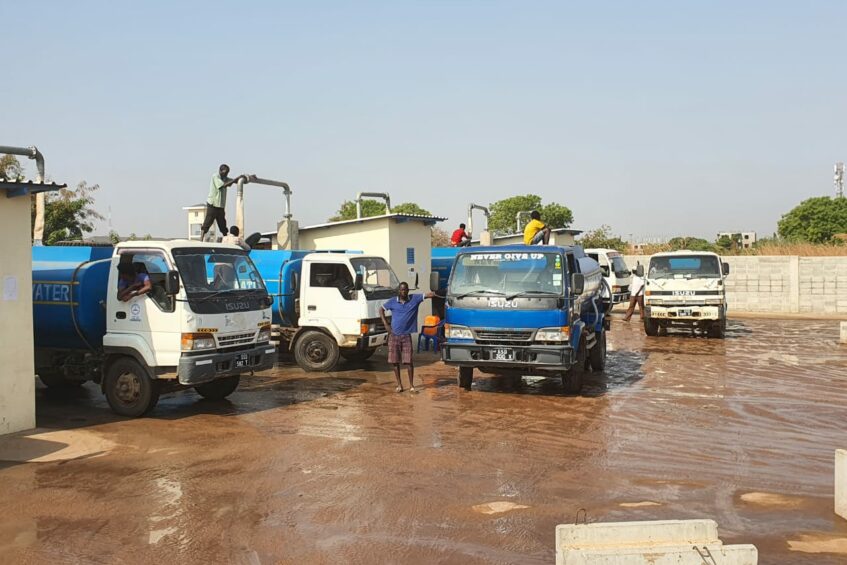
Jovany John, a water tanker driver, expressed concerns that the new water prices set by the city council would lead to losses for their operations.
“Believe me, the decision that was made, I think, was not properly examined because of the price of fuel, the price of the water itself, the operation cost, and the cost of traffic police on the road,” John said.
“This means we would be on a loss, if we operate at the cost of 2,500 SSP a drum, yes, because if you multiply 2,500 by 24 drums, it will give you something like 60,000,” he explained.
Last month, the Juba City Council reduced the price of drinking water from 5,000 to 2,500 SSP within Juba and to 3,500 SSP in the suburbs.
This decision followed a meeting with key stakeholders in the water distribution sector.
The Juba City Council instructed local law enforcement agencies to monitor and enforce the new water pricing structure.
However, some residents of Juba reported that since the new price was imposed, water tankers have stopped delivering water to their areas.
“We don’t have any option but to buy water at the previous exorbitant price,” one resident told Eye Radio.
“The price of water was not reduced; it is still the same, and now the water tanker drivers are on strike,” another resident added.
“If you tell them that the price of water was reduced, they say fuel is expensive and the dollar is high,” she said.
“Now it is two days without water in the area. We are suffering because of this issue of water.
“The mayor imposed a new price, but the water tanker drivers are refusing to work. They should bring us water at the old price than for us to stay without water.”
Alison Taligi, the focal person at the Juba City Council, stated that they have informed all law enforcement agencies, including the police, to implement the new pricing order.
“We have informed all the police officers and all the security sectors. We have issued them a copy of the local order. We have also informed the judiciary in Juba,” Taligi said.
“We provided copies of the local order, and in case we catch someone selling at a higher price, we have the courts and the punishments in place, as specified in the local order,” he continued.
“The penalties include fines, and for severe violations, imprisonment.”
On September 11th, the National Parliament directed stakeholders to address the issue of water pricing.
This followed a summons to the governor of Central Equatoria, the Minister of Water Resources and Irrigation, the Mayor of Juba City Council, and the Managing Director of the South Sudan Urban Water Cooperation regarding the high cost of water supply in Juba.


 1
1 2
2 3
3 4
4 5
5 6
6 7
7 8
8