
19th February 2026
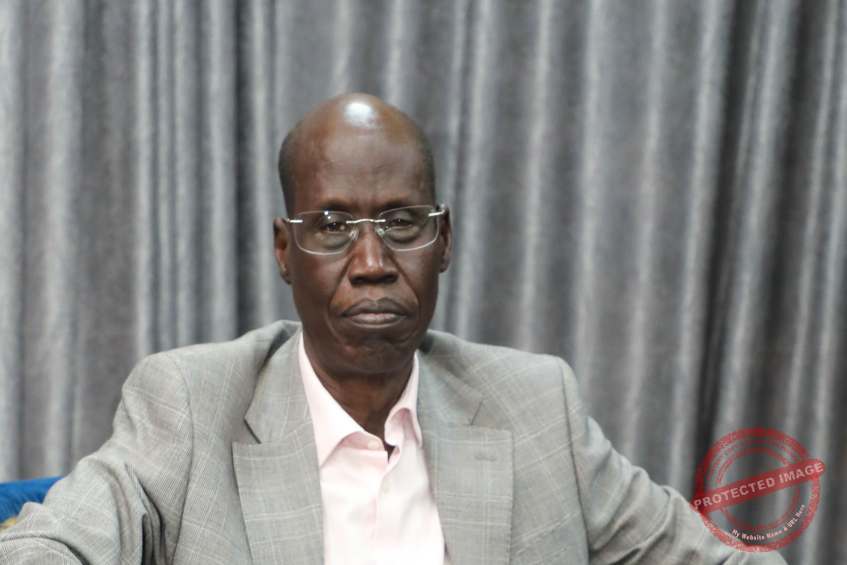
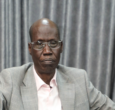
Professor John Akech, Vice Chancellor of the University of Jub - Credit: Darlington Moses/Eye Radio - Feb. 18, 2026
JUBA, South Sudan (Eye Radio) – Professor John Akech, Vice Chancellor of the University of Juba, has defended the institution’s tuition policies, arguing that the current economic crisis and unpaid civil servant salaries should not be used as an excuse to bypass educational obligations.
The Vice Chancellor’s remarks follow reports on Monday, February 19, that hundreds of students were initially stranded at the campus gates due to outstanding fees as exams were set to begin. Addressing the situation, Professor Akech clarified that while the university requires payment to release final results, a compromise has been reached to allow students to proceed with their testing.
To ensure no student misses their academic requirements, Professor Akech confirmed that the university is now accepting formal pledges. This arrangement applies to all students, including those under corporate sponsorship, allowing them to sit for exams this week on the condition that they settle their arrears afterward.
“We have allowed students to sit for their exams after making a pledge to settle their tuition fees,” Akech stated, dismissing claims that students were being permanently barred from the examination halls.
Speaking on Eye Radio’s Sundown show, Professor Akech offered a blunt assessment of how Juba’s residents survive despite the harsh economic climate. He argued that since residents find ways to fund other basic needs, education must remain a priority.
“We’re not the first country to face economic challenges, but despite that, basic needs are still being met: food, medicine, clothing, and housing,” Akech said. “People are paying rent, whether they like it or not… We buy clothes, and many people are using their assets or finding ways to hustle to get by. You won’t see a life here in Juba—we would all be dead—if people were just depending on salaries completely.”
The Vice Chancellor emphasized that the workforce is diverse, with many operating in the private sector or engaging in side businesses to make ends meet. He noted that even soldiers and government employees are “hustling” to survive, and in doing so, they must also prioritize essential needs, including the cost of schooling.
The Vice Chancellor reiterated that the policy remains consistent for everyone. Whether a student is self-sponsored or supported by a company, the requirement to clear financial obligations remains the same. By shifting to a pledge-based system for the current exam cycle, the university aims to balance its operational needs with the financial realities facing the student body.

Currently on air
18:00:00 - 18:55:00
 1
1Published February 16, 2026
 2
2Published February 14, 2026
 3
3Published February 13, 2026
 4
4Published February 12, 2026
 5
5Published February 15, 2026
Published 22 minutes ago
Published 1 hour ago

Published 1 hour ago
Published 2 hours ago

Published 3 hours ago

Published 3 hours ago
Support Eye Radio, the first independent radio broadcaster of news, information & entertainment in South Sudan.
Make a monthly or a one off contribution.
Copyright 2026. All rights reserved. Eye Radio is a product of Eye Media Limited.