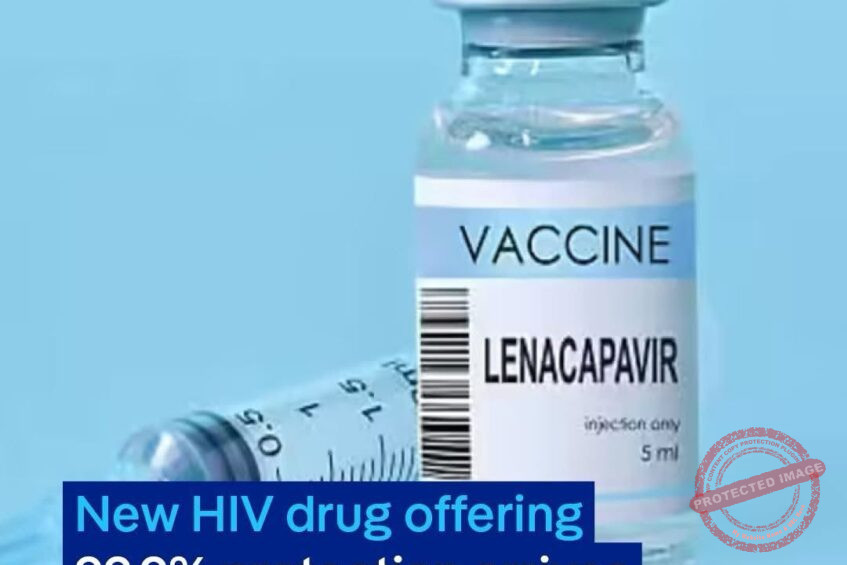
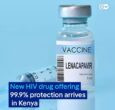
According to Kenyan media, the first batch of the drug arrived on Tuesday night, marking a major milestone in Kenya’s fight against HIV. Lenacapavir works by blocking key stages of the HIV life cycle, preventing the virus from establishing infection.
It is not a vaccine or a cure, and is strictly for people who do not have HIV.
Kenya has received 21,000 starter doses for an initial roll-out in 15 priority counties with high HIV prevalence, including Siaya, Homa Bay, Migori, Kisumu, Kisii, Mombasa, Nairobi, Machakos, Kajiado, Busia, Kiambu, Kilifi, Kakamega, Uasin Gishu, and Nakuru.
A further 12,000 continuation doses are expected by April to ensure uninterrupted protection for those who start treatment.
The government plans to expand the roll-out to another 15 counties after the first phase, eventually covering all 47 counties nationwide.
Health Cabinet Secretary Aden Duale said Lenacapavir will be integrated into existing health systems, including distribution through the Kenya Medical Supplies Agency (Kemsa), with the National AIDS and STI Control Programme (NASCOP) monitoring its use, safety, and supply management.
“Let me emphasise that this medicine is for those who are HIV negative. It is neither a vaccine nor a cure. People living with HIV should continue their lifelong therapy,” Duale said.
“Its main advantage is that it is administered only twice a year, offering six months of protection per dose.”
The government is also developing a resource mobilisation plan to support a long-term national scale-up beyond the initial partner-supported phase.
Lenacapavir was approved by the U.S. Food and Drug Administration (FDA) in June 2025 and endorsed by the World Health Organization (WHO) in July 2025, confirming its safety and effectiveness.
Kenya’s Pharmacy and Poisons Board (PPB) recommended its registration in January 2026, following a thorough scientific assessment.
The current batch is funded by the Global Fund at a cost of Sh7,800 per patient per year through an agreement with the manufacturer.
Kenya joins other early adopter countries in Africa, including Eswatini, Lesotho, Mozambique, Nigeria, South Africa, Uganda, Zambia, and Zimbabwe.