
23rd June 2026
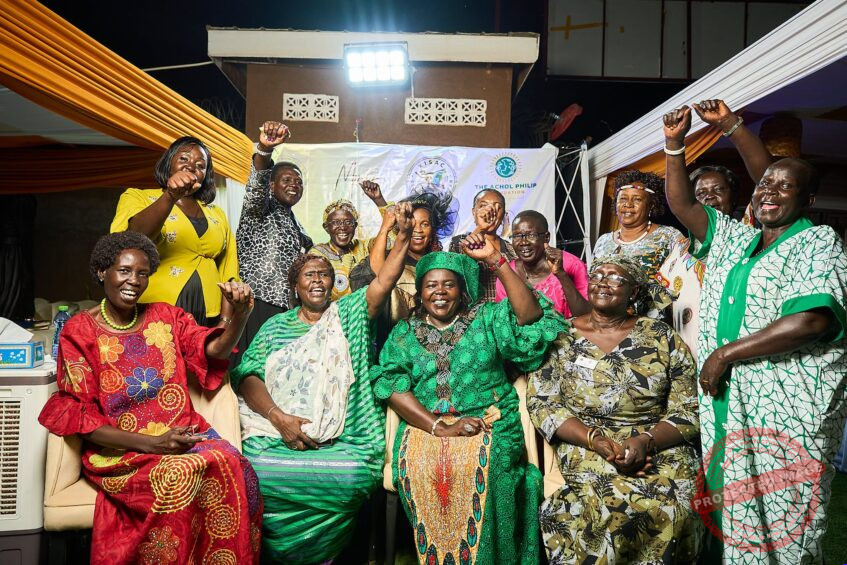
HISTORY PRESERVED: Representatives, veterans, and organizers pose for a photograph at the She Stands Women's Museum event in Hai Jalaba, Juba, on June 19, 2026. – Credit: She Stands Women’s Museum
For many years, the stories of South Sudanese women who participated in the liberation struggle, managed families during conflict, preserved cultural traditions, and contributed to nation-building remained largely absent from public records. While the country’s history frequently emphasizes military and political figures, the experiences of thousands of women were rarely documented.
On May 30, 2026, a new repository for this history opened with the launch of the She Stands Women’s Museum in Juba. The facility is the first institutional space dedicated to documenting, preserving, and celebrating the contributions of South Sudanese women across history.
Inside the museum, galleries feature paintings, sculptures, photographs, oral histories, and historical documents. The facility also features a Hall of Remembrance, community cultural exhibitions representing different regions, and educational spaces for visitors.
The museum is built upon the legacy of Achol Philip Nhial, a South Sudanese educationist and humanitarian who advocated for women, widows, and orphans during the liberation war before her passing in 1993. Her vision continues through the Achol Philip Foundation, which promotes education and historical preservation.
The museum initiative, spearheaded by her daughter Anok Salva Kiir, is a primary project of the foundation aimed at securing the records of unrecognized historical actors.
Susan Awut Ahoy, the Executive Director of the She Stands Women’s Museum and Initiative, stated that the facility addresses a critical gap in documented history.
“It is established to preserve and honor the stories of women who fought during the liberation struggle,” Ahoy explained. “Some stories were not documented, and some aspects of our cultures were not documented for the world to hear. The purpose of this museum is to make sure those stories are told through paintings, sculptures, names, and personal accounts.”
Ahoy added that the museum serves an educational purpose for younger generations. “Our children should not be left in the dark. The youth should know what happened and appreciate it so they can pass these stories to future generations.”
Compiling the names, photographs, videos, and personal testimonies required years of field research and community consultations. Dr. Sitona, a project contributor who assisted in identifying the women recognized in the exhibits, described the launch as an important initial step.
“If not for this effort, many of our names could have been forgotten,” Dr. Sitona said. “The majority of the women are represented, and the process continues. It is a small place now, but bigger things will come.”
For veterans of the conflict, the preservation of their actions brought public recognition. Rebecca Joshua Okwaci, who served in Division Seven and worked as a journalist during the struggle, urged citizens to support the institution.
“Let us carry the message. Let us be ambassadors. Let us talk about this beautiful thing,” Okwaci said, noting that many citizens are only now discovering the scale of women’s involvement in the liberation movement.
Veteran Aluel Bior Jok reflected on the dual roles women held during the war, maintaining the struggle while raising children under wartime constraints. Looking at the younger project team, she expressed hope that South Sudanese youth will continue to document national history.
“What has been done here is something we will not forget,” Jok said.
The exhibits have also provided recognition for families whose relatives are named in the collections. Honorable Viola Samuel stated she was moved to see her late mother’s name publicly displayed.
“Even though she is gone, she has not gone forever from our memories and our hearts,” Samuel said, describing the museum as a physical record of female achievement. “The bar has been set very high. Let us study, work hard, and become role models for future generations.”
Public visitors noted that the exhibitions challenge common historical assumptions. Attendee Fifi William stated that the artifacts and multimedia displays offer new insights into the war years.
“Women also fought. They cooked, supported communities, and did many things during the war,” William said. “It is a place where you can learn about many cultures, customs, and histories that we did not know before.”
 1
1Published June 21, 2026
 2
2Published June 19, 2026
 3
3Published June 19, 2026
 4
4Published June 19, 2026
 5
5Published June 18, 2026
 6
6 7
7Published June 17, 2026
 8
8Published June 22, 2026

Published 5 hours ago

Published 6 hours ago
Published 7 hours ago

Published 7 hours ago
Published 8 hours ago

Published 9 hours ago
Support Eye Radio, the first independent radio broadcaster of news, information & entertainment in South Sudan.
Make a monthly or a one off contribution.
Copyright 2026. All rights reserved. Eye Radio is a product of Eye Media Limited.