
25th August 2026
You are here: Home | National News | News | Calls for shelter, stability as street children numbers rise
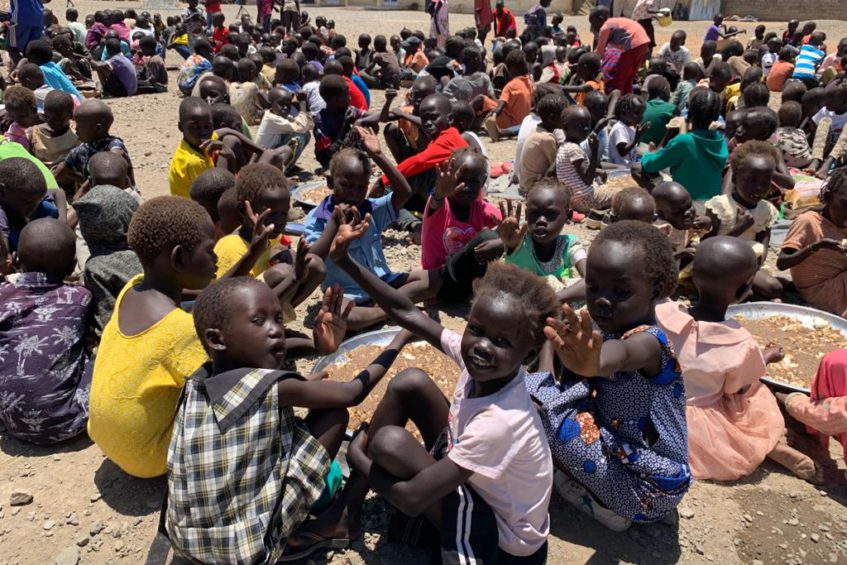
Profile| Orphans at Stone International Church in Juba where they shelter at night. Majority of them roam the streets during the day and return to the church compound in the evening| Credit | Priscah Akol/Eye Radio
On the Day of the African Child, many South Sudanese are urging the government to take more decisive action to protect street children and bring stability to the country, enabling nationwide access to education for all children.
These calls come amid growing concerns about the rising number of children living on the streets, as well as ongoing challenges posed by insecurity and displacement across the country.
The Day of the African Child was instituted in 1991 by the Assembly of Heads of State and Government of the Organization of African Unity (OAU), in memory of the 16th June 1976 student uprising in Soweto, South Africa. At that time, students protested against poor-quality education and demanded to be taught in their native languages.
During the protest, hundreds of schoolchildren were killed.
The day is observed to commemorate these children and their brave fight for educational rights.
Reacting on this day, Jada David, a resident of Juba, expressed deep concern over the growing number of children living on the streets, especially in Juba. He called for urgent government intervention to establish shelters providing safe accommodation for street children.
Speaking on Eye Radio’s Dawn show today, Jada said:“Currently in Juba, the majority of children are on the streets and there is no good care or shelters for them. That is why we urge the government to establish shelters to take care of these children as we celebrate the African Child Day,“ Jada David
David Magok, a resident of Wau, emphasized that lasting peace is essential for children across South Sudan to fully enjoy and exercise their rights as outlined in the South Sudan Constitution.
“In the constitution, there is the right to life and child rights, but if people are fleeing to IDP and refugee camps due to insecurity and food shortages, then children cannot enjoy these rights. Children of Africa, especially in South Sudan, will only have full rights when there is peace in the country,” said Magok
Meanwhile, Franko Sebit of Juba highlighted the severe impact of insecurity, displacement, and lack of schools on children’s access to education.
“On the Day of the African Child, many children in South Sudan are on the streets. Insecurity in various parts of the country is causing displacement and denying children access to education. The government needs to ensure peace and stability so that children can enjoy their right to education,” Franko Sebit
The public continues to call on the government to prioritize peace and child protection to ensure a better future for South Sudan’s children.

Currently on air
00:00:00 - 06:00:00
 1
1Published August 23, 2026
 2
2Published August 23, 2026
 3
3Published August 19, 2026
 4
4Published August 19, 2026
 5
5Published 19 hours ago
 6
6Published August 20, 2026
 7
7Published August 21, 2026
 8
8Published 17 hours ago
Published 10 hours ago

Published 10 hours ago
Published 10 hours ago
Published 10 hours ago
Published 11 hours ago

Published 12 hours ago
Support Eye Radio, the first independent radio broadcaster of news, information & entertainment in South Sudan.
Make a monthly or a one off contribution.
Copyright 2026. All rights reserved. Eye Radio is a product of Eye Media Limited.