7th June 2026

Ugandan serial killer sentenced to 105 years in prison

The High Court in Uganda’s capital, Kampala, has sentenced a 25-year-old serial killer to 105 years in prison.

Musa Musasizi was sentenced on Wednesday after pleading guilty to the murder of three women said to be his girlfriends and a three-month-old girl who was the child of one of his victims.

He reportedly pursued romantic relationships with the women before sexually assaulting and killing them, then burning and disposing of their bodies, the court heard.

Justice Margaret Mutonyi said the long sentence was necessary to protect young women, including Musasizi’s six-year-old daughter, the privately owned NTV channel reported.

Musasizi had been arrested in March 2021 on suspicion of killing five women and an infant.

He was convicted for the murder of one of the women in July.

At that time, his lawyer asked the judge for mercy, saying that Musasizi, a former street child, had survived a difficult upbringing.

M23 rebels agree to ceasefire ahead of DR Congo elections

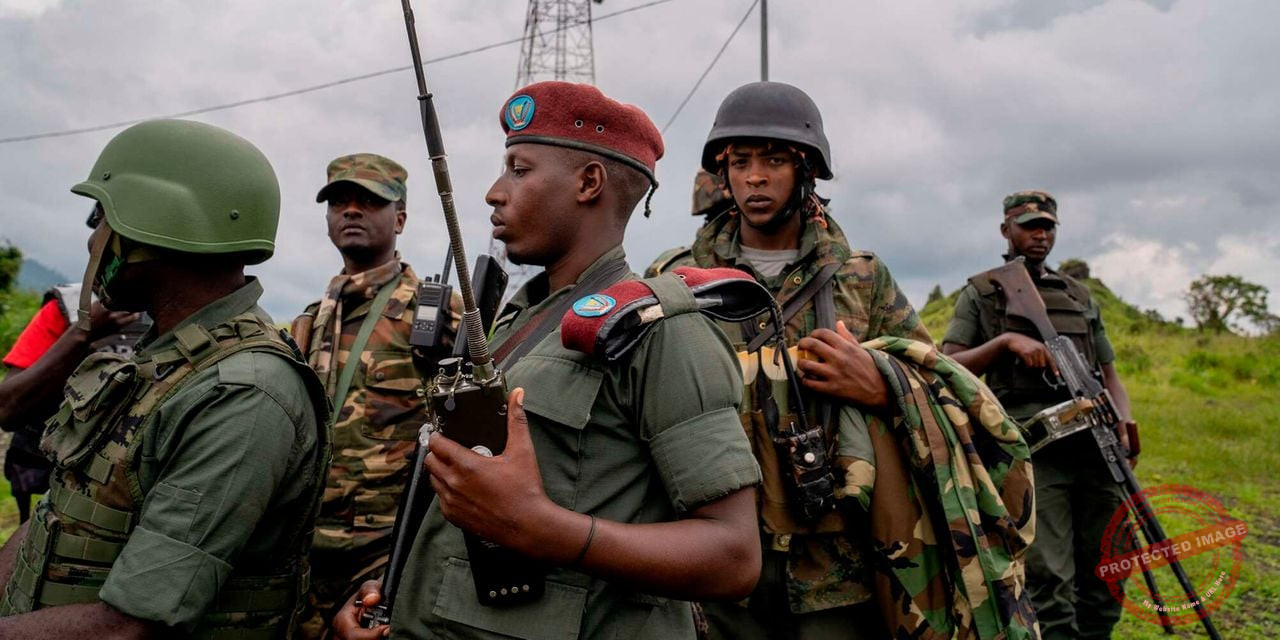
The M23 rebel group has agreed to honour a three-day US-brokered ceasefire deal with the Democratic Republic of Congo’s army.

The group’s spokesman, Lawrence Kanyuka, said in a statement on X (formerly Twitter) that the rebels accepted the deal “since it is in line with the M23’s existing signed ceasefire of 7 March 2023”.

The rebel group had not consulted about the deal before its completion, according to Mr Kanyuka.

Despite agreeing to the ceasefire, the M23 said they would “not hesitate” to defend themselves – and the civilian populations under their control – from the army or government-allied militia.

The ceasefire began on Monday midday, according to a statement by US National Security Council Spokesperson Adrienne Watson.

It comes one week ahead of hotly contested elections in the central African country. Authorities have said voting cannot take place in the eastern territories of Rutshuru and Masisi, as they are in the grip of the conflict with the M23.

And on Tuesday, the electoral commission announced that those displaced by the conflict will also not be able to vote.

Previous ceasefire deals between the rebels and army have been breached, leading to fresh fighting.

Egypt’s Sisi takes lead as vote count in presidential elections begin

Egypt’s electoral body has started counting votes following the conclusion of polling in the presidential elections.

Voting began on Sunday and ended at 21:00 local time on Tuesday (19:00 GMT), with more than 67 million people registered to vote.

Incumbent President Abdul Fattah al-Sisi is seeking a third consecutive term.

Although three other candidates are vying for the presidency, many Egyptians believe Mr Sisi will easily win a new six-year term in office.

Early provisional results have already placed Mr Sisi in the lead.

The official results are set to be announced on 18 December.

Beef products banned in Uganda amid anthrax outbreak

The Ugandan authorities have banned the sale of beef products in an effort to stop an anthrax outbreak spreading from Kyotera district in the central region.

At least 17 people have died there more than 20 others are bedridden in several local villages, local media report.

John Mary Lutaaya, the Kyotera district veterinary officer, says local traders in the smaller zone of Kabira will not be allowed to move their cattle until the outbreak is contained.

More than 40 cows are reported to have died in the last two months. The outbreak was confirmed by health authorities on 26 November.

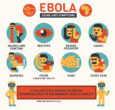
Anthrax is a rare but serious, infectious disease caused by a bacteria known as Bacillus Anthracis, which occurs naturally in soil but usually affects both wild and domestic animals.

People can get infected if they come into contact with infected animals or contaminated animal products – and symptoms include blisters, fevers, swelling limbs, and difficulty in breathing.

Some victims are visiting shrines instead of healthcare facilities. Health officials fear this will hinder their efforts to contain the outbreak.

Govt, WHO intensify cholera surveillance in border areas with Sudan

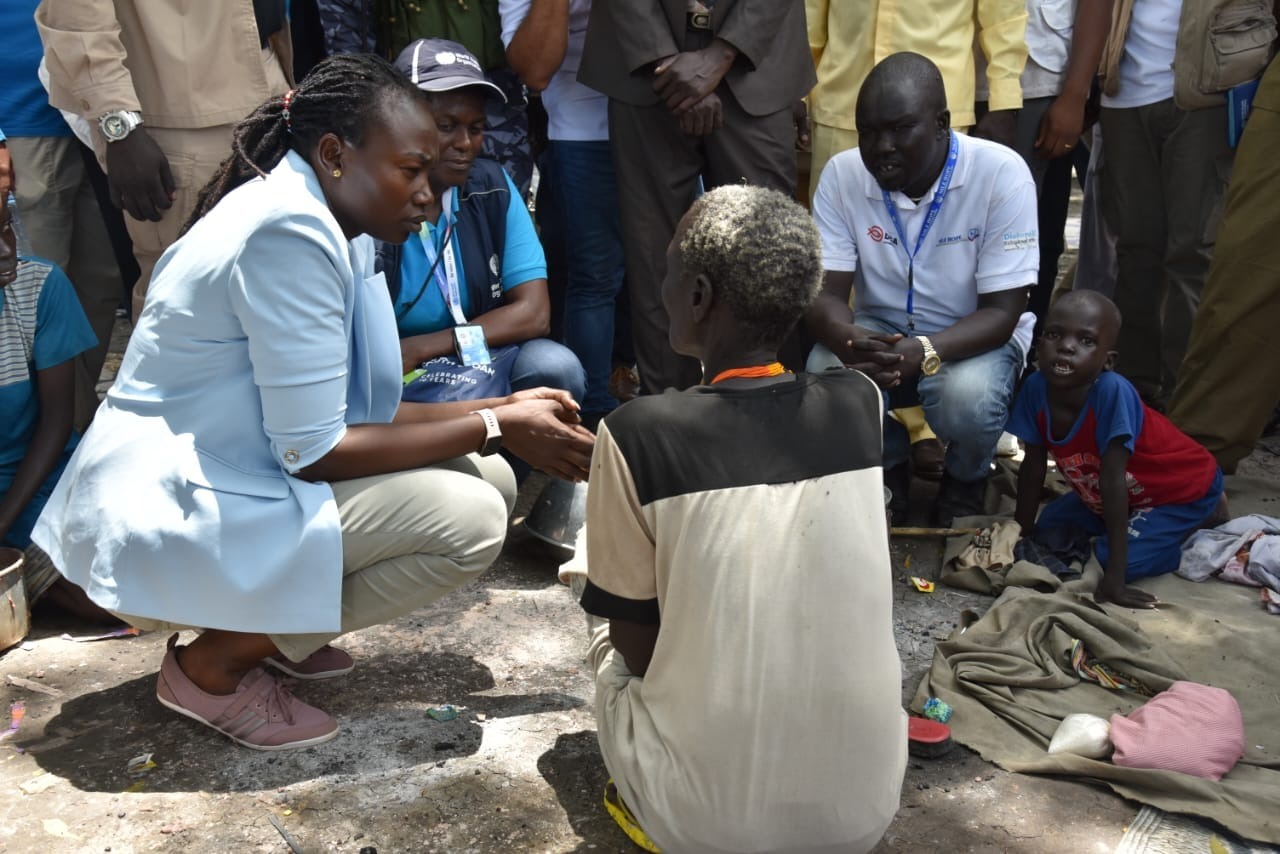
The National Ministry of Health in collaboration with the World Health Organization has intensified surveillance of cholera following the recent report of an imported case in Renk County of Upper Nile State.

According to the Ministry, the positive sample was from a 38-year-old male returnee from Sudan at the transit center in Renk -who was managed at a health facility and recovered.

The single case prompted an immediate response from the health authorities.

The Director General of Preventive Health Services Dr. John Rumunu told Eye Radio that the National Ministry has significantly intensified surveillance measures to promptly detect and respond to any alerts within the Country.

“They [health officials] are working tirelessly in collaboration with the World Health Organization (WHO) and other partners to reinforce response strategies,” he said.

Dr. Rumunu the actions aimed to ensure early identification and rapid containment of any potential outbreaks.

The World Health Organization reported 4,000 cases including 161 deaths related to a cholera outbreak in neighboring Sudan, putting South Sudan’s Renk and other northern border areas at risk of the disease due to the influx of returnees and refugees.

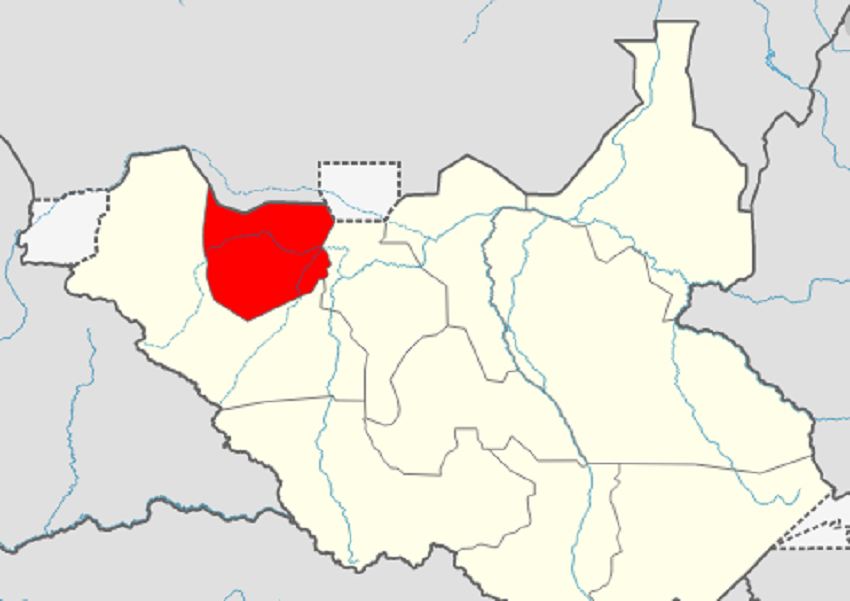
Upper Nile authorities deploy NUF to hot spot areas -official

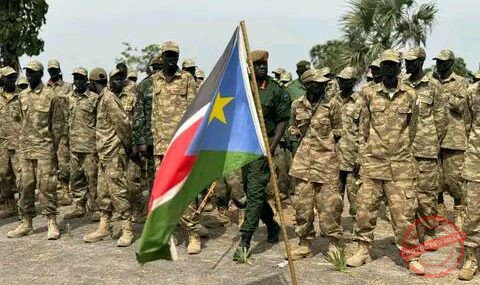
Upper Nile Information Minister has said two battalions of the necessary unified forces have been deployed to the different counties in the state.

A battalion is a military unit, typically consisting of 300 to 1,000 soldiers commanded by a lieutenant colonel and subdivided into a number of companies – usually each commanded by a major or a captain.

Minister Luk Saad Allah says the forces were drawn from Juba and Western Bahr el Ghazal.

According to him, the 750 soldiers who were taken from Juba recently were deployed to areas of Tonga, Wijpanyikaang and Pakwaar areas of Panyikaang County.

While those in Western Bahr el Ghazal were taken to Renk and Wadakona as well as to the South Sudan border area of Joda.

The state spokesperson said the deployment aims at maintaining peace and stability in hot spot areas.

Minister Saad Allah spoke to Eye Radio in an exclusive interview Tuesday evening from Malakal town.

Courtesy of A.B.C Media

“The honorable governor and the security committee went to Lelo and moved the necessary unified forces from the Lelo to Tonga. This is the battalion of the unified forces from Juba, they are 750 in number.

“The second battalion that came from Wau has been moved to Renk. Yesterday all of them were moved and they started deploying them in the different counties of the Northern Upper Nile, we thank God that the security situation in Upper Nile State is calm.”

Saad Allah has described the deployment ahead of the festive season as a good move.

Legal officer advocates for digital case management of GBV files

A legal officer has recommended the adoption of digital management of Gender-Based Violence case to prevent the loss of files in the courts and police stations.

Gama Hassan, a legal aid officer with the Steward Women, a women-led organization says the country’s legal system has often experienced challenges of missing files.

“We are in a digital world now, and South Sudan came at a time when the World is moving at a very fast rate and we are supposed to adopt digital case management to address some of these challenges that we are facing, files are disappearing from the police stations or at the court,” he said.

Hassam is also appealing to civil society organizations championing anti-gender-based violence campaigns to advocate for the digitalization of adjudicated cases.

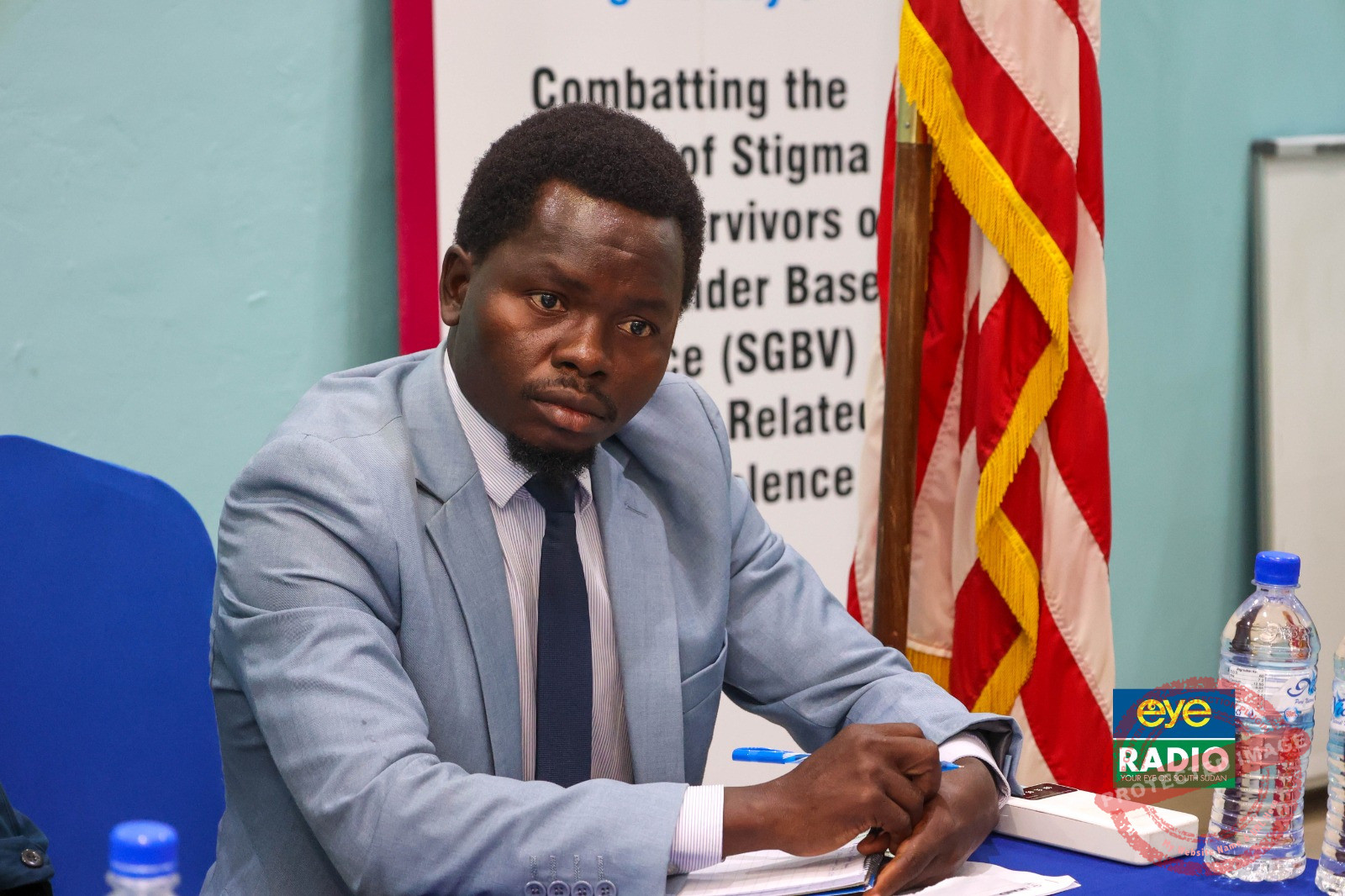
“So, if we could adopt digital case management, this would address some of these challenges, and as CSOs who are on the frontline are providing some of these services I think this is what we should advocate for so that we can address some of the challenges,” Hassan spoke during a panel discussion on; “combatting the culture of stigma against survivors of sexual gender-based violence and conflict-related sexual violence.”

Responding to the matter, the High Court Judge at the GBV and Juvenile Specialized Court in Juba said the disappearance of files is an administrative issue.

Justice Garang Ajak could not confirm or deny the missing files containing GBV cases but mentioned that those involved would face consequences.

“The missing files are an administrative issue because with any file there is someone responsible for these files from the tracing and movement of the files.

“So when you miss the file, some investigations must be done accordingly and those who are responsible for missing the files in our court must be held responsible and bear the consequence of the missing files.”

On Monday, a group of civil society activists, legal and law enforcement agents, the US Ambassador, and other international agencies gathered in Juba to mark International Human Rights Day.

The day was observed to mark the end of 16 days of activism under the theme “combating the culture of stigma against survivors of sexual and gender-based violence and conflict-related sexual violence.”

Prevalence of GBV

More than half of South Sudanese women have experienced some form of gender-based violence, such as child marriage and rape, in their lifetime, according to the United Nations Development Program (UNDP)

According to  Justice Garang Ajak,  cases of defilement have increased which is a violation of section 247 of the penal code.  

“The most command cases that we have now are rape which is under section 247, at the same time the culture of our people regarding sexual-minded mostly, especially 247 is committed by those who thought that they were in love.

“A lady is underage and a boy is over age or over 18, they thought that they exercising love,” he said

Section 247 of the penal code says whoever has sexual intercourse or carnal intercourse with another person, against his or her will or without his or her consent, commits the offense of rape, and upon conviction, shall be sentenced to imprisonment for a term not exceeding fourteen years and may also be liable to a fine.

The section further states that consent given by a man or woman below the age of eighteen years shall not be deemed to be consent within the meaning of the subsection above.

Josephine Chandiru, the Executive Director of Steward Women said there is a need to challenge negative norms at the family level by allowing boys to do the work that girls can do and vice versa.

“So, we need to build their confidence so that, they can report. We need to challenge other norms and start at home by educating our boys and girls to do work. A boy can do what a girl is supposed to do, that way, we will start challenging norms from the early stages,” she stressed. 
she said.

“For us to combat GBV and also, its accompanying stigma, we need to address the root causes of the customs that each community believes in and we need also to build the confidence of our victims because we just leave them there, they will not encourage to report,” she added

For his part, the deputy spokesperson of the South Sudan National Police Service encouraged South Sudanese communities to refrain from harmful traditional practices while suggesting that families educate their children including on the use of contraception.

“We should not be shy to talk, we should talk to our children to use condoms and we should not discriminate against them.

“Let us change our attitude, let us change our mindset, let us forget about taboos, Let us embrace the best culture.”

Meanwhile, the Deputy Mission Director for the United States Agency for International Development, or USAID, in South Sudan said addressing GBV and associated stigma is one of their priorities in the country.

“Working with survivors of gender-based violence on stigma is a priority for USAID and for the US government.”

Meanwhile, Yahannes Araya said they have integrated GBV response into some of the programs USAID is supporting in South Sudan, including health and education.

“In South Sudan, it is a crosscutting activity in terms of gender-based violence in our health programs, and in our education, but specifically in our programming right now, trauma healing is involved. We would like to increase that focus here in South Sudan .”

The government and development partners advised those who may experience gender-based violence to call a toll-free number, 623 or 777, for help or to report to the nearby police station.



Kiir appoints petroleum’s Yel Lul to his office, shifts Ongee to investment

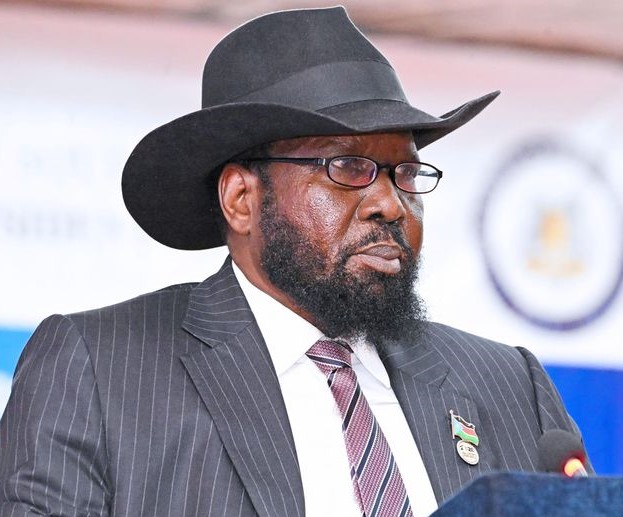
President Salva Kiir on Monday relieved the Undersecretary in the Ministry of Petroleum Daniel Chuang and replaced him with the Chief Administrator in the office, Paul Ongee.

The Head of State relieved Yel Lul Yen Lul as Undersecretary in the Ministry of Investment and appointed him as the Chief Administrator for the office.

In another decree, President Kiir Kiir also replaced Petroleum Undersecretary Mayen Wol Jong with Dr. William Anyak Deng who was the Director of the Petroleum Authority.


IGP unveils plans to ban heavy trucks during peak hours

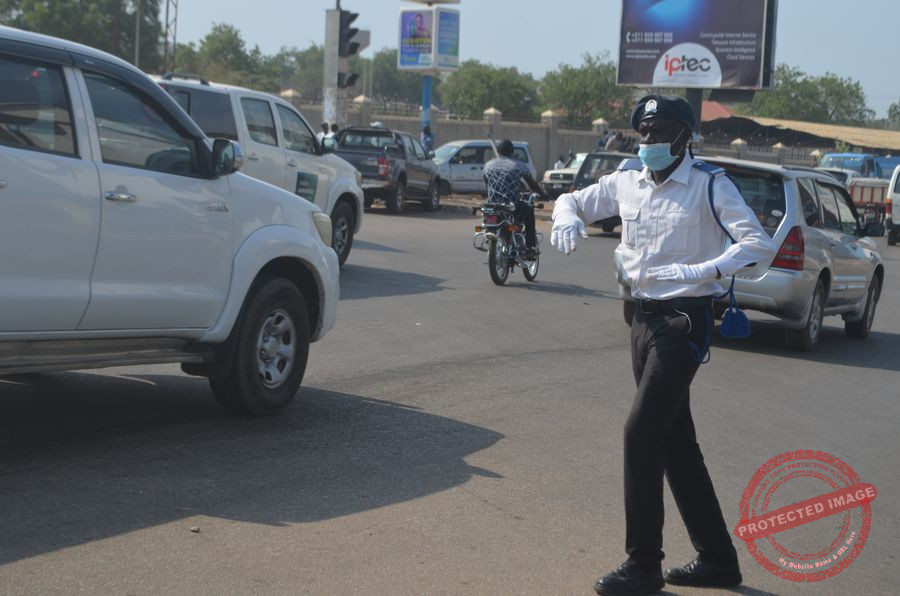
The Inspector General of Police has unveiled plans to collaborate with the Customs Department to restrict the movement of heavy-duty trucks during peak hours to ease traffic in Juba city.

General Atem Marol Biar, stated his intention while addressing traffic police officers at the Buluk headquarters in Juba this morning.

The move comes amidst growing concerns about traffic jams in Juba, affecting commuters and causing frustration among motorists, public transport users, and motorcyclists.

Recently, some citizens expressed frustrations with the city council and traffic police for their inaction in resolving these concerns.

Some individuals have even suggested solutions, including the construction of alternative roads or flyovers within the city to alleviate traffic pressures.

However, the Inspector General has proposed a daytime ban on the movement of heavy trucks to mitigate congestion.

General Marol says he will coordinate efforts with customs officials to regulate the movement of heavy trucks, particularly during rush hours.

“Heavy trucks must use the new bridge (Freedom Bridge), this is what I want you to do.

“We will coordinate with the customs officials for them to delay the movement of heavy trucks to late hours after working hours while people are already in their homes because they contribute to congestion in Konyo Konyo.

“There is nobody who will be coming from another place to organize us or South Sudan, except us and we are capable and we will do this work,” he said.


Support Eye Radio, the first independent radio broadcaster of news, information & entertainment in South Sudan.

Make a monthly or a one off contribution.