21st May 2026

Kiir directs JCC, security to assess Konyo-konyo fire aftermath

President Salva Kiir Mayardit has directed the Juba City Council and relevant security agencies to assess the extent of the damage of Konyo-konyo fire outbreak, and investigate the cause of the inferno thoroughly while expressing dismay at damages caused.

Kiir reportedly said he “learned with dismay and concern the unfortunate fire incident that broke out earlier today at Konyo Konyo Market in Juba.”

According to the press unit, the fire which started in the afternoon, caused significant damage to several shops and stores.

The head of state reportedly encouraged those impacted by the fire to remain strong during this difficult time.

He has directed the Juba City Council and relevant security agencies to assess the extent of the damage and investigate the cause of the fire thoroughly.

Meanwhile, the President instructed both the Central Equatoria State and City Council authorities to prioritize the safety and security of Konyo-Konyo Market.

He urged the respective institution to put in place measures to prevent such incidents in the future.

Fire outbreak has been a common in Juba where it often  happens especially during end of year and in first quarter of new year

Activist Yakani on what next after President Kiir’s assent to justice bills

Activist Edmund Yakani is urging South Sudan’s Presidency to act swiftly in forming transitional justice institutions and kick-start the process early next year, citing its significance in reconciling and uniting South Sudanese ahead of 2026 elections. Continue reading “Activist Yakani on what next after President Kiir’s assent to justice bills”

UN: 9.3 million people in South Sudan forecast to face crises in 2025

Estimated 9.3 million people are expected to face humanitarian crisis in 2025, a figure slightly higher than the 9 million people projected for this year, the UN humanitarian coordinator for South Sudan has warned.

Speaking at the launch of South Sudan humanitarian needs and response plan for 2025, Monday,  Ms. Anita Kiki Gbeho lauded humanitarian organizations for relentless efforts to support the needy population.

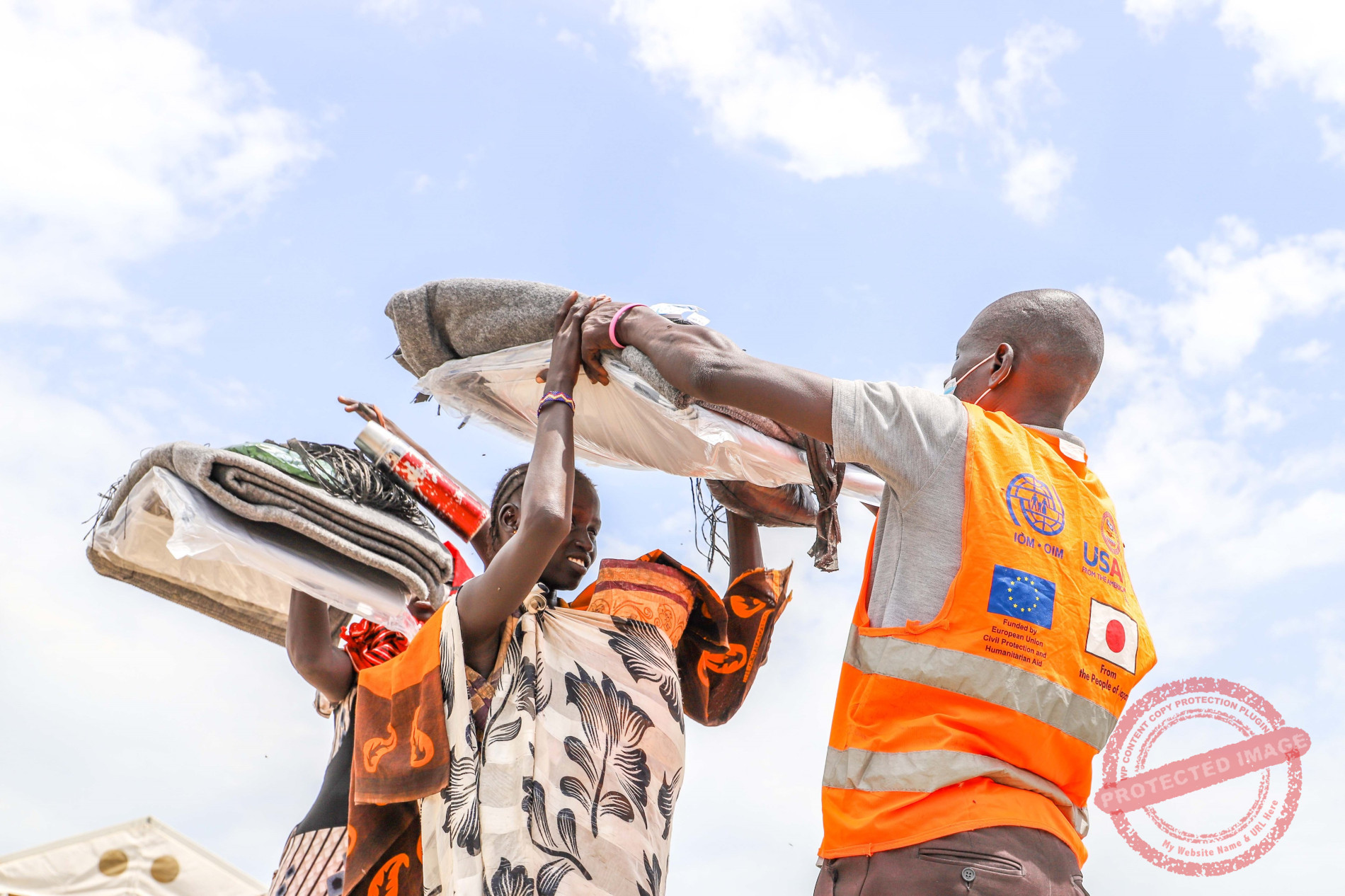
She said 4.2 million people have been reached with humanitarian intervention in 2024, through food distribution, shelter and camp management among others.

“The 2024 Humanitarian Needs and Response Plan was about 64% funded. As a result, we were able to reach 4.2 million women, men, boys and girls with different forms of critical assistance, including food, nutrition, health, water and sanitation, camp coordination, camp management, education, shelter, non-food items and protection services,”she said.

According to Anita, unlike the estimated 9 million people targeted this year, there is possibility that the number of people who might not escape humanitarian catastrophe in 2025 might reach 9.3 million.

The coordinator revealed that humanitarian funding will target 5.4 million of the population at risk of crisis next year.

“According to the 2025 Humanitarian Needs and Response Plan, 9.3 million people, 70% of the population, will require some form of humanitarian assistance in 2025.

“Of these, the humanitarian community will target 5.4 million with an appeal for 1.7 billion dollars”, she added.

For his part, the Minister for Humanitarian Affairs and Disaster Management attributed the successful humanitarian response this year to high collaboration and coordination.

Albino Akol Atak called for continuous strengthening of collaboration to achieve the targeted 5.4 million people in the 2025 humanitarian needs and response.

“We managed to respond to the needs of people in this year, 2024, simply because there was high collaboration and coordination. So the same thing next year, if we want to respond to this target number 5.4 million people. We need to strengthen and to increase that collaboration.

He assures partners and humanitarian organizations of his government’s continues cooperation to support vulnerable population across the country.

“The government expressed its sincere appreciation for solidarity and support provided by humanitarian donors and partners over the past years and looks forward to continuing cooperation to respond to the most active needs of vulnerable people in South Sudan.”

Government representatives, partners, national NGOs and International NGOs were part of the launch of 2025 Humanitarian needs and response plan.

Ethiopia and Somalia agree to end squabble over Somaliland port

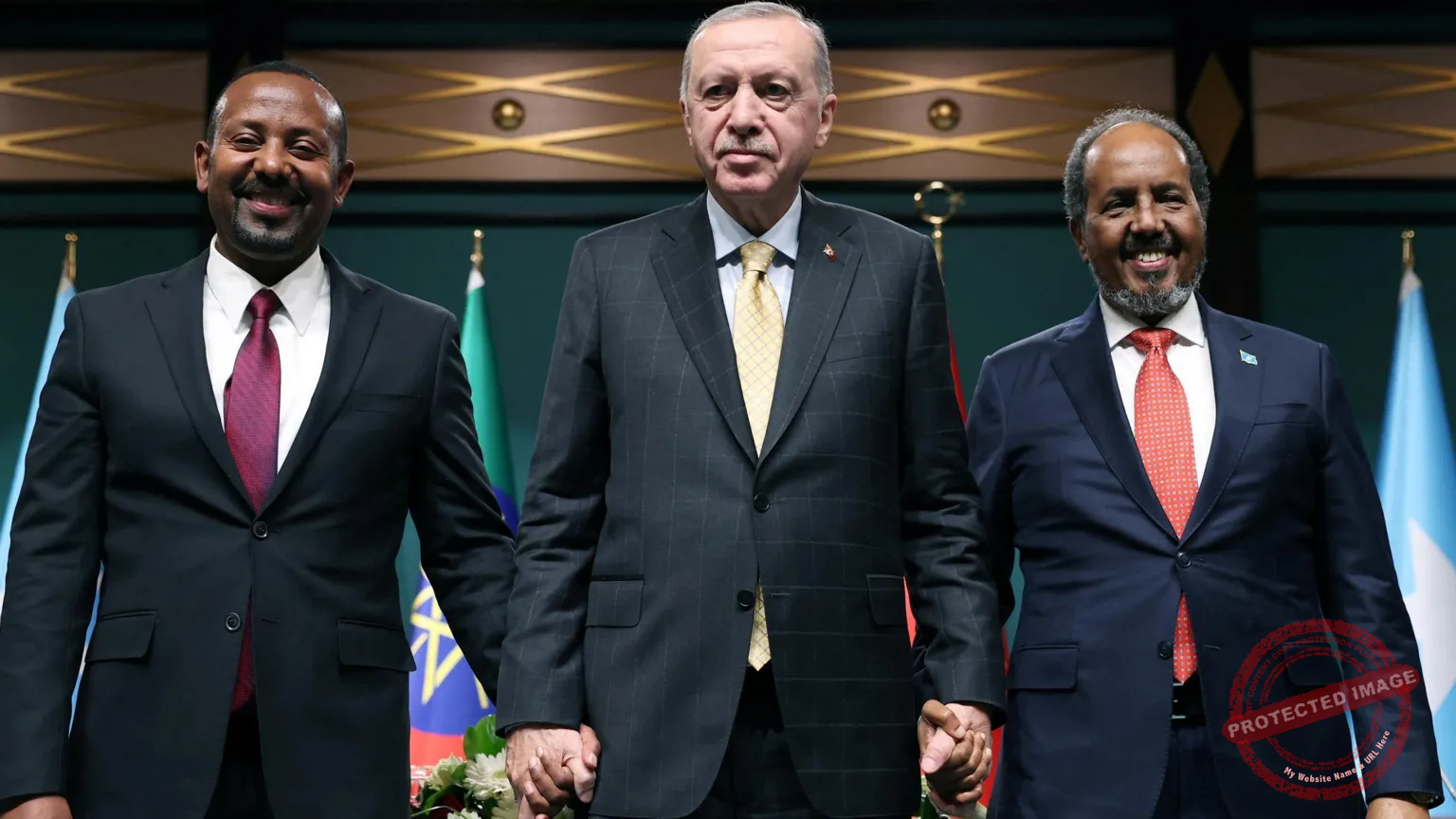
Ethiopia and Somalia have agreed to end their bitter dispute over Addis Ababa’s plans to build a port in the breakaway republic of Somaliland following talks in Turkey.

Turkish President Recep Tayyip Erdogan welcomed the “historic agreement”, which he said would eventually ensure landlocked Ethiopia’s access to the sea.

At the press conference he held hands with Ethiopian Prime Minister Abiy Ahmed and Somali President Hassan Sheikh Mohamud, who both agreed to respect one another’s “sovereignty”.

The two neighbours have been at loggerheads since January when Ethiopia signed a maritime deal with Somaliland – which Somalia considers as part of its territory.

It prompted fears of a wider regional conflict as Egypt has been backing Somalia – largely due to its anger with Ethiopia for building a dam on the River Nile.

Turkey has in recent years become an important geopolitical player in the Horn of Africa as it has close economic ties with Addis Ababa and security deals with Mogadishu.

Erdogan said the agreement – announced on Wednesday night in the Turkish capital, Ankara – was “the first step towards a new beginning”.

“I congratulate both my brothers for reaching to this historic reconciliation with devotion and thank them for their constructive attitude,” he said.

President Mohamud said his country was “ready to work with the Ethiopian leadership and the Ethiopian people”.

While Prime Minister Abiy insisted Ethiopia’s efforts to secure and reliable access to the sea did not threaten Somalia and the two had “addressed the misunderstandings that have occurred over the past year”.

The feud began on New Year’s Day, when Abiy signed a controversial deal with Somaliland to lease a 20km (12-mile) section of its coastline for 50 years to set up a naval base.

In exchange, Ethiopia – the world’s most-populous landlocked nation – was to reportedly recognise Somaliland as an independent country, although Addis Ababa never explicitly confirmed this.

Somaliland, which broke away from Somalia more than 30 years ago, has long been pushing for recognition – but Mogadishu described the move as an act of “aggression”.

According to the Ankara joint declaration, the two Horn of Africa neighbours are to reconvene in February to hold “technical talks”.

In the interim they will strive to reach “mutually beneficial commercial arrangements” to ensure Ethiopia gains access to the sea “under Somalia’s sovereignty”.

It is not clear if Ethiopia has discarded the deal it signed with Somaliland – something demanded by Somalia at earlier mediation efforts.

Last month, Somaliland elected a new president – former opposition leader Abdirahman Mohamed Abdullahi – who promised to “review” the maritime deal.

During his inauguration speech on Thursday morning he made no mention of it.

Somaliland is located in a strategic part of the world, and is seen as a gateway to the Gulf of Aden and the Red Sea.

Kiir to Army: Keep off politics, safeguard territorial integrity

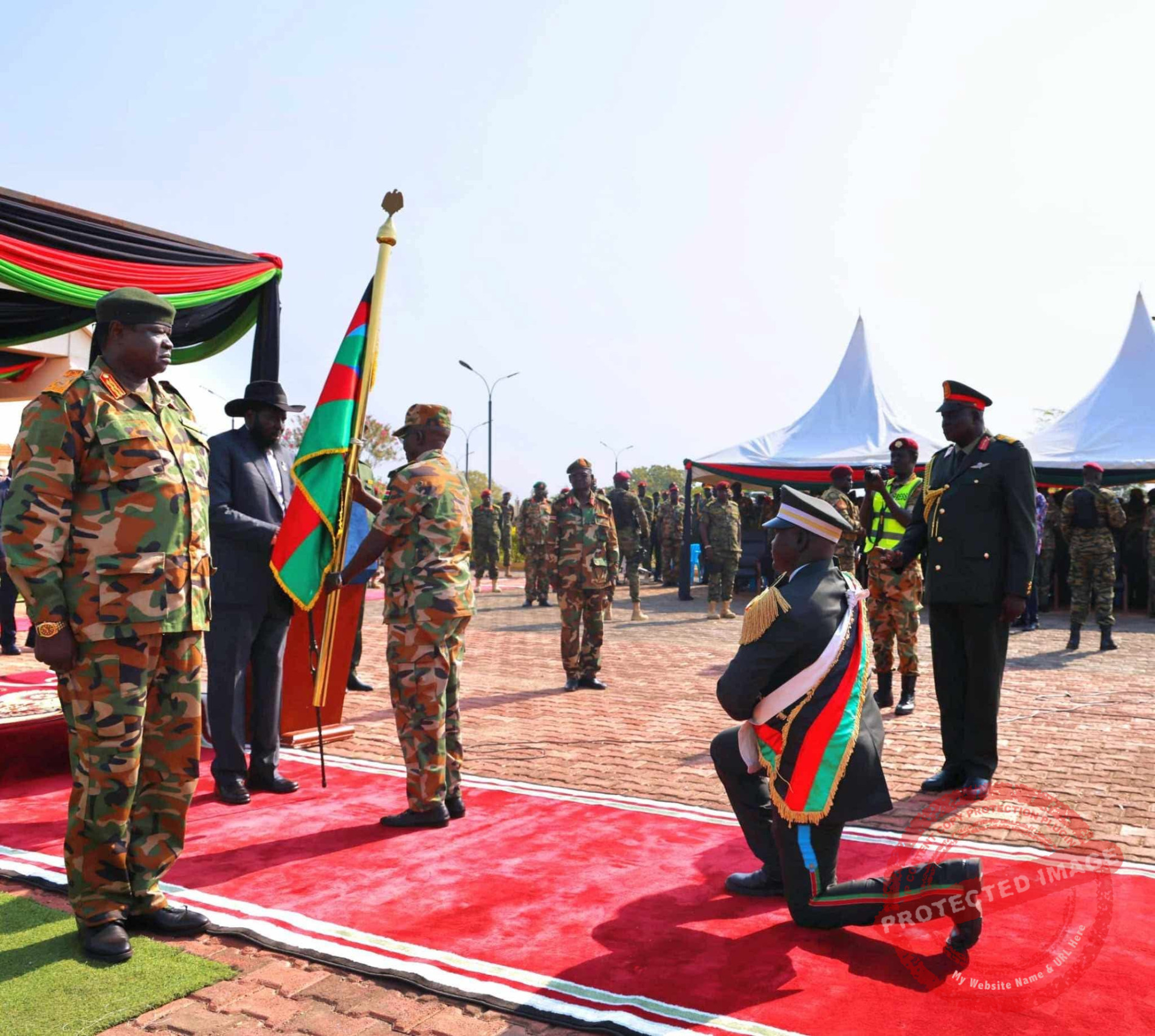
The President of the Republic and Commander-in-chief of the South Sudan People’s Defence Forces has warned the organized forces against involvement in politics and directed them to concentrate on transforming the army into conventional institution, according to the Presidential Press Unit.

Gen. Salva Kiir Mayardit reportedly said on Thursday when he issued a directive to the new Chief of Defence Forces, Dr. Paul Nang Majok, to prioritize professionalism and integrity in his duties to enhance public service.

His press unit reported him  to have stressed the importance of these values in gaining the public trust and ensure safety of the territorial integrity.

“We warn SSPDF and other regular forces against involvement in politics, but rather to concentrate on their transformation process into conventional institutions.

“We will not allow anybody in uniforms to engage in politics because you have a different role to play in the country.

“To members of the military and other organized forces, from today onward, you must refrain from engaging in dirty politics”, he said.

The President also denounce vices such as land grabbing involving the army.

The Head of State further reiterated that SSPDF should be leading the operations in the clearance of illegal checkpoints along the major highways to ensure free passage of goods and services to the people across the country.

The new CDF Dr. Paul Nang Majok, in his acceptance speech reportedly promised to implement the directives from the president, aiming to reorganize and modernize the Army.

He also promised to put the welfare of soldiers first and ensure they have modern equipment and technologies to perform their duties effectively.

U.S diplomat J. Adler meets Minister Yolanda over health services

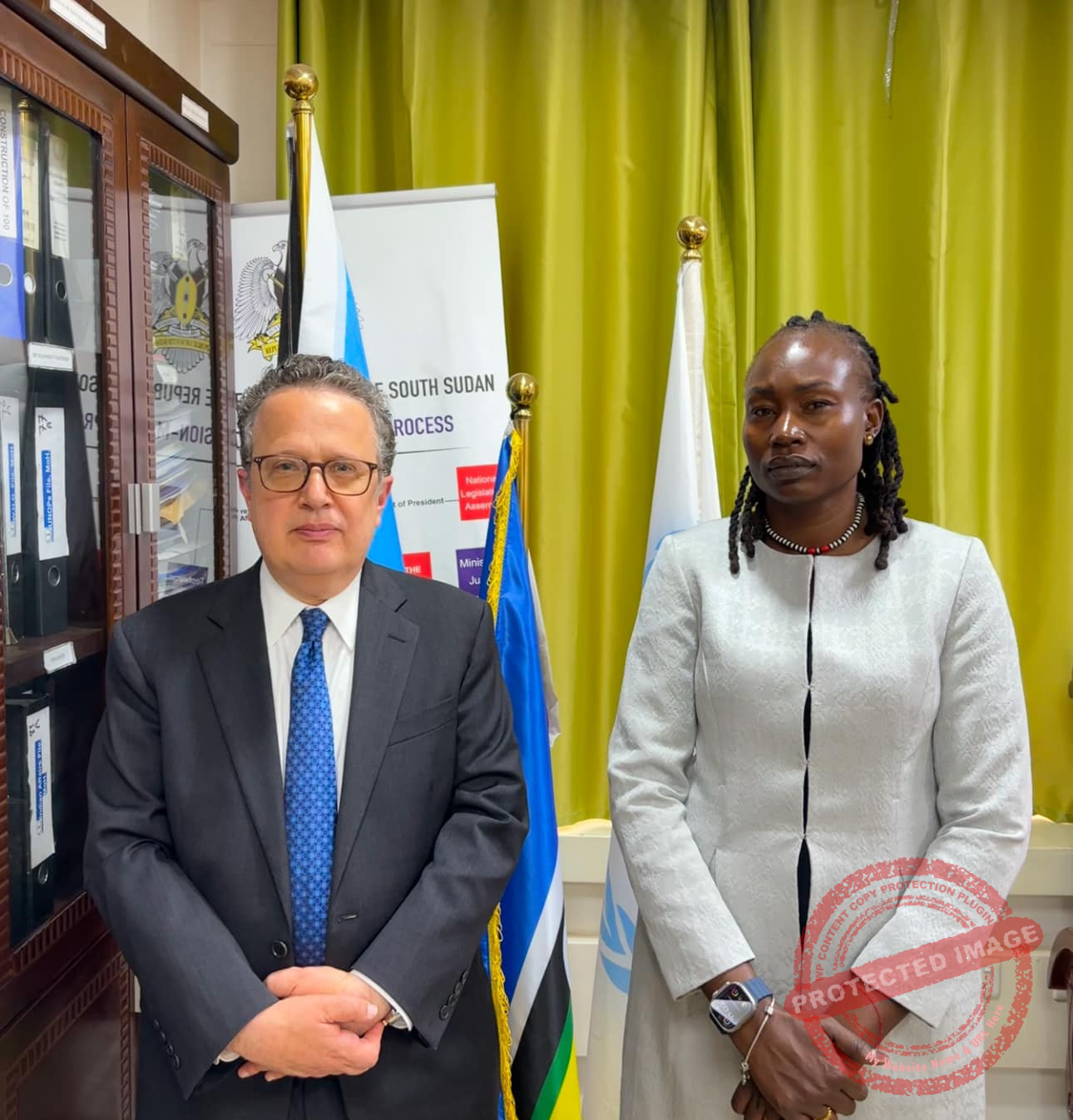
The U.S Ambassador Michael Adler and his accompanying delegation have reportedly met health Minister Yolanda Awel and discussed the critical role of USAID in supporting health centers across South Sudan.
According to the Ministry of Health’s official Facebook Page, diplomat Michael J Adler reiterated the pressing need for the government to increase public revenue to strengthen health facilities.
The Ambassador also emphasized the call on the government to pay it employees salaries and reduced risks for dedicated aid workers serving the South Sudanese population.
Meanwhile, Minister  Yolanda Awel Deng highlighted the ongoing reforms with funding collaborations with partners, including USAID, which is the largest contributor to the health sector services.
She reportedly emphasized the importance of outreach services to health centers nationwide, acknowledging the challenges faced within the ministry, including difficult working conditions for some staff members.
 Yolanda expressed her commitment to  collaborating closely with the South Sudanese government, partners, and donors, including USAID, to ensure the health sector is adequately supported and that the welfare of health workers is prioritized.

Budi women rise up to fight against GBV

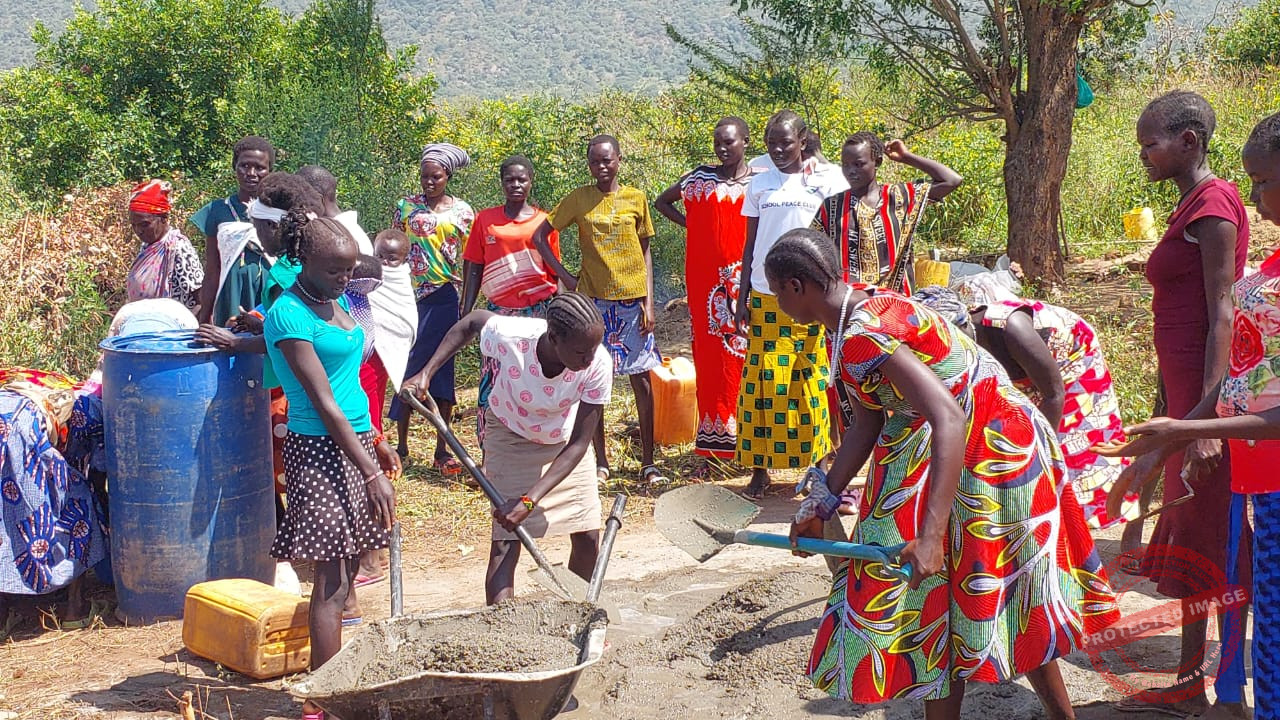
Women in Budi County of Eastern Equatoria State are constructing a women and girls’ friendly office space to address GBV-related issues including the use of girls for blood compensation.

One of the initiators, Medelina Dudu Lawrence said women and girls do not have a space where they can raise their concerns in a safe and secured space.

She decried that women and girls have often been under looked with girls taken as source of wealth, depriving them of education.

To address the rampant GBV cases, the women ganged up and laid bricks -thanks to a local organization backing up the group’s initiative.

It is hoped that once completed, the space will enable the women to come together, discuss and raise issues affecting them in the community.

“Women and girls here do not have an office, so we said let us construct an office so that I will help women and girls.

“We started the construction; the woman and girls are really happy because we never had an office here in Budi because women are often under looked and seen as a source of wealth and cannot go to school.

“We laid the bricks and requested an organization in the area to assist us, it will finish in probably two weeks’ time”, she said.

Medelina further stressed that the under-construction office will be used to keep record of incidents of GBV including cases of girls used as blood compensation.

According to he, women who fall victim of GBV in the area tends to commit suicide adding that the office will help in providing counselling to women in case of domestic violence.

“When the office is built we will keep record of the number of girls used as blood compensation, and also women who commit suicide as a result of GBV.

“There was woman who committed suicide because they did not have a space where they can raise their concerns. So, the office will also provide counselling to the women.”

VC Mayom: No South Sudanese student secured EU scholarship in 5 years due to ‘Machot’

The Vice Chancellor of the University of Juba disclosed that no South Sudanese student has qualified for the EU’s prestigious scholarship for bright African students in the past five years, attributing the failure to exam cheating (Machot) and students’ focus on politics instead of academics. Continue reading “VC Mayom: No South Sudanese student secured EU scholarship in 5 years due to ‘Machot’”

Terekeka police clampdown on shisha smoking

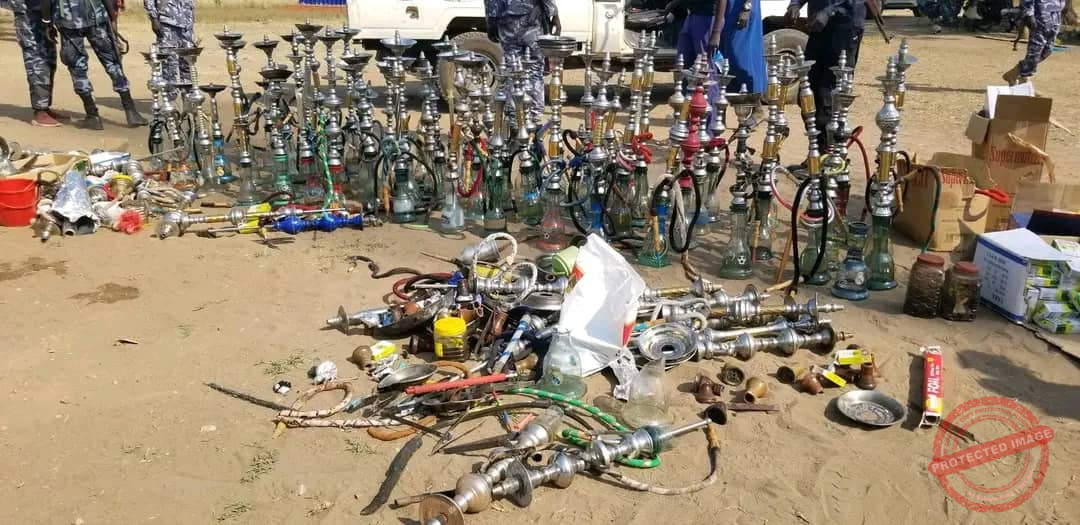
Authorities in Terekeka County in Central Equatoria state have launched a crackdown on shisha smoking after reports of rampant taking of the substance among the youth.

The crackdown on Wednesday followed leaked information about the youths using it to take drugs such as marungi, bang among others.

According to the Commissioner George Wani Elia, the widespread use of shisha among women and children has spread laziness, diseases,  and created conflicts among the youth, mainly teenagers.

Meanwhile, the acting Inspector Terekeka County police, Brigadier Gen. Zachariah Daniel Legge stated that, they have so far collected over 200 pots being used for taking shisha.

He vowed continued crackdown to ensure shisha taking among the youth is stopped.

VC Prof. Mayom rejects students’ call for revival of campus union

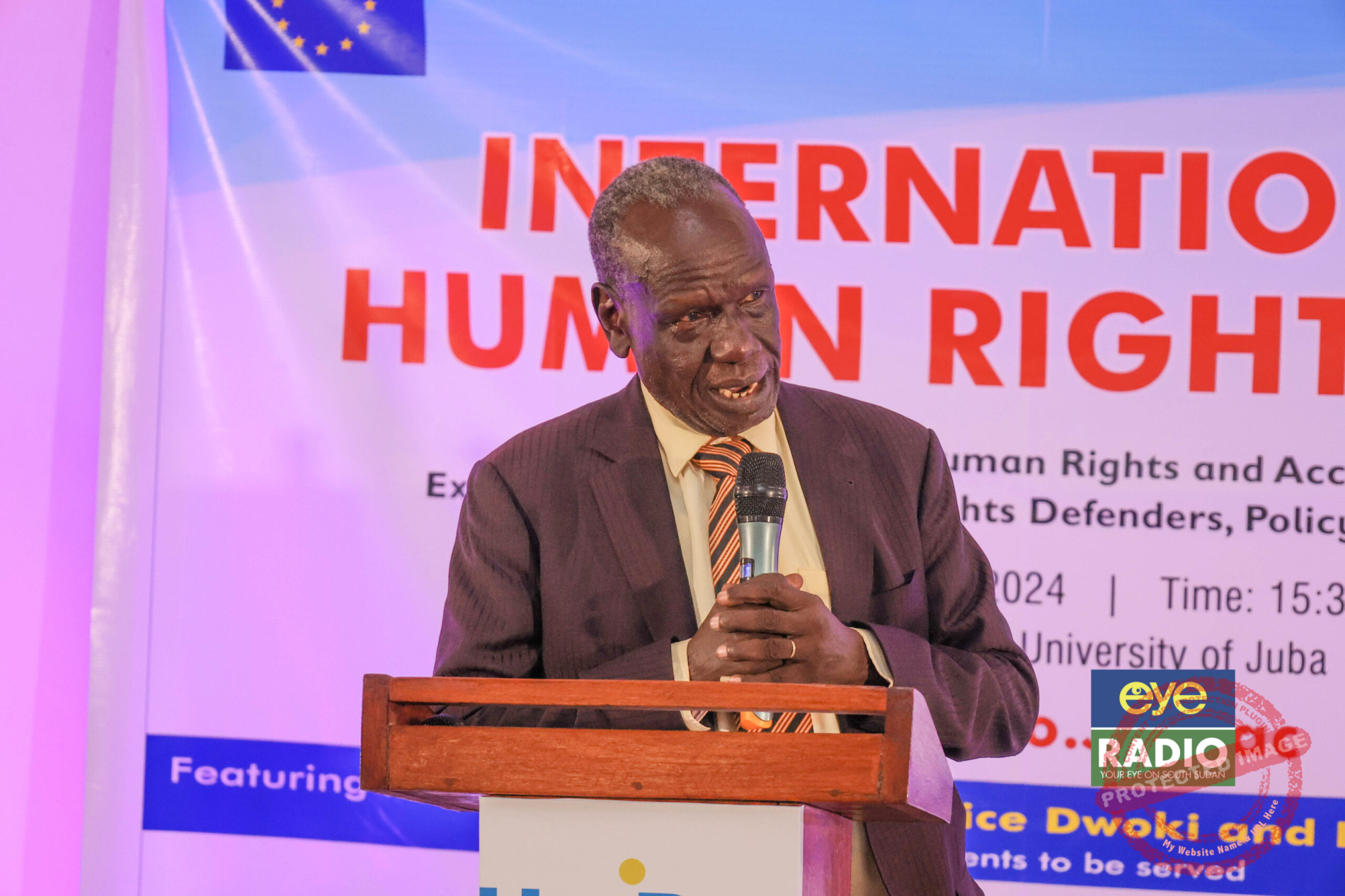
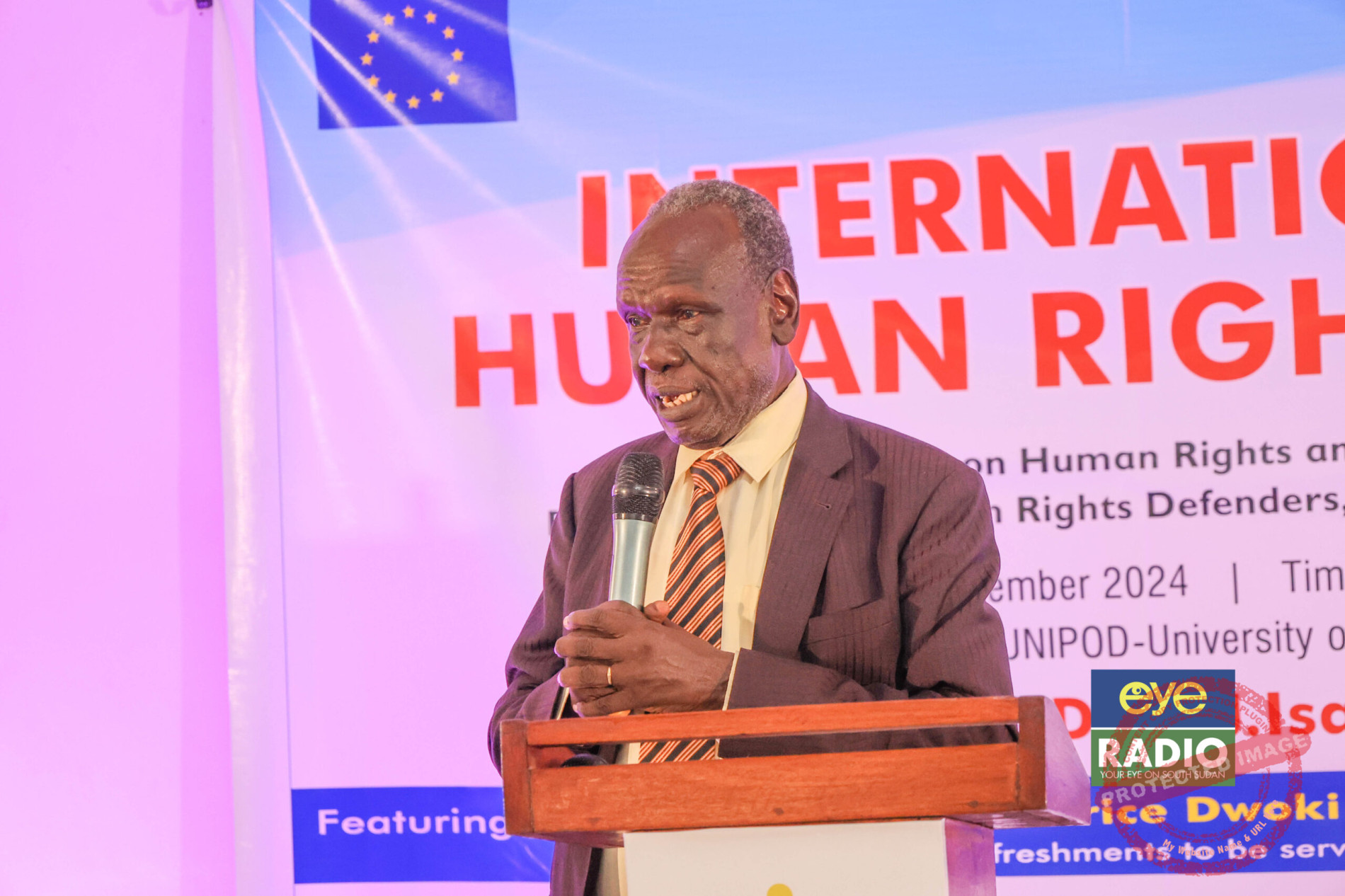
The Vice Chancellor of the University of Juba has rejected the appeal for the return of the students’ union saying their involvement in politics risk closure of the campus, adding that he priority his to provide quality education.

This was during a panel discussion on the International Human Rights Day at the campus premises on Tuesday, 10/12/2024.

The student union was suspended in 2012 after some students fought on campus on a tribal basis, an incident the university said was contrary to its initial plan to make the institution a tool for transformation in South Sudan.

One of the students James Malual who is a second-year student at the College of Medical Laboratory Science at the University of Juba, appealed to the University Administration to reopen the students’ body to enable students to channel their grievances.

Speaking during a panel discussion on accountability and human rights in South Sudan, Malual said reopening the student will enable them to express and raise their concerns to the administration.

“When came to this university, I realized that the student body was here, but it was ban. I don’t know why but I believe maybe it was seen as a threat to the administration

“Professor, as you pledge today to committee yourself to advocate for human rights, can we revive that student’s body for us students to express the voices and the challenges that are facing us in this campus because that is the only body that will give us voice to the administration”, asked the student.

Responding to the concern, the University of Juba’s Vice Chancellor Prof. Rubert Mayom said he does not encourage students to involve in political activities in the campus.

He urged the students to use their college’s associations to channel their grievances.

“If you read what I wrote there, I promised to advocate for the rights of the youths in this country. To me the right I am going to give you is quality education, I promised I am going to give you that.

‘For the schools now, we have organizations for the various schools, associations are there you can voice your grievances through those associations but not through political activities.

“I am telling you, I will never accept it as long as I’m the Vice Chancellor because I know if I come tomorrow and allow you to come and talk politics, the university is going to be closed, do you want to spend another one year or two years outside, asked back the VC.

Professor Mayom went on to say that the suspended student body were being used by unnamed politicians and political groups to pass their agenda through the university.

Support Eye Radio, the first independent radio broadcaster of news, information & entertainment in South Sudan.

Make a monthly or a one off contribution.