
26th August 2026
You are here: Home | Crime and law | National News | News | Technology | Activists urge stronger legal protections for women amid rising online abuse
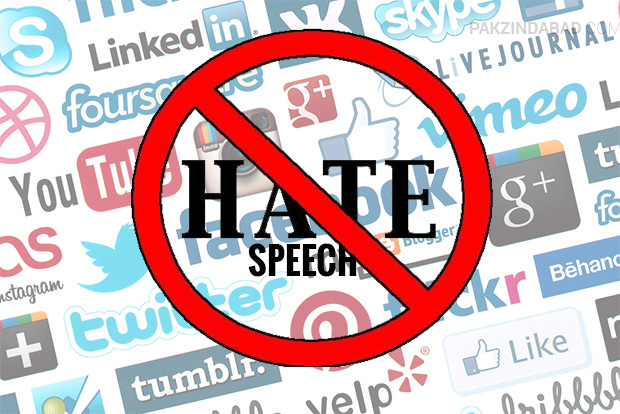
Poster of anti-online hate speech. (Courtesy).
Rising incidents of online bullying, discrimination, intimidation, and gender stereotyping targeting women and girls in South Sudan have prompted urgent calls from activists and media experts for stronger legal protections in digital spaces.
The Executive Director of Community Empowerment for Progress Organization, Edmund Yakani, says online bullying and violence against women have gone on in silence for too long.
“Online bullying, discrimination, intimidation, or violence against women is a crime and punishable by our laws. I want to appeal to authorities to come out publicly and address this issue,” he said.
“I urge South Sudanese to use social media responsibly for promoting peace, not violence or harassment. Women- and youth-led organizations must also play a role in combating these abuses, which increase trauma and limit women’s freedom of expression.”
Yakani further urged the National Media Authority to issue a circular warning against such practices, stressing that social media should unite communities instead of violating rights.
Media Mentors’ Network Chairperson Marina Modi cautioned the dangers of misinformation and disinformation in the country’s fragile information environment.
She partly blamed this on delays in official communication.
“Delays in official communication create room for false narratives to spread. Crisis communication strategies are essential to fill the information gaps; otherwise, people lose trust in authorities.
Meanwhile, she called for the enactment of stronger laws to hold perpetrators to account.
“We also need stronger laws, including digital forensic and data protection legislation, to support the Cybercrimes Court and enforce accountability online.”
In response, Advocate Wani Stephen said that the government has already taken steps to combat online abuses, citing the Cybercrime and Computer Misuse Act (2021) and new media regulations under review.
According to him, the government is working with the Media Authority, the National Communication Authority, and international platforms like Facebook and WhatsApp to curb harmful content.
To strengthen resilience against hate speech and misinformation,
Stephen said that plans to carry out awareness campaigns, journalist training sessions, and community dialogues are underway.
However, he noted that finding the right balance between regulation and free speech remains a significant challenge while warning that overly strict laws could potentially suppress dissent if not applied with caution.
According to some civil society leaders, online bullying and digital violence, especially against women, amount to human rights violations.
In recent weeks, media experts stressed the urgent need for better crisis communication and stronger cyber laws.
NB:”This story is reported with a grant from Journalists for Human Rights under the ‘Tackling Mis/Disinformation Project,’ funded by the Peace and Stabilization Program of the Government of Canada.”

Currently on air
00:00:00 - 06:00:00
 1
1Published August 23, 2026
 2
2Published August 23, 2026
 3
3Published August 24, 2026
 4
4Published August 20, 2026
 5
5Published August 24, 2026
 6
6Published August 25, 2026
 7
7Published August 21, 2026
 8
8Published August 25, 2026
Published 6 hours ago

Published 7 hours ago

Published 8 hours ago

Published 8 hours ago


Published 10 hours ago
Support Eye Radio, the first independent radio broadcaster of news, information & entertainment in South Sudan.
Make a monthly or a one off contribution.
Copyright 2026. All rights reserved. Eye Radio is a product of Eye Media Limited.