




Western, Central Equatoria await talks with Lakes state over temporary relocation of pastoralists
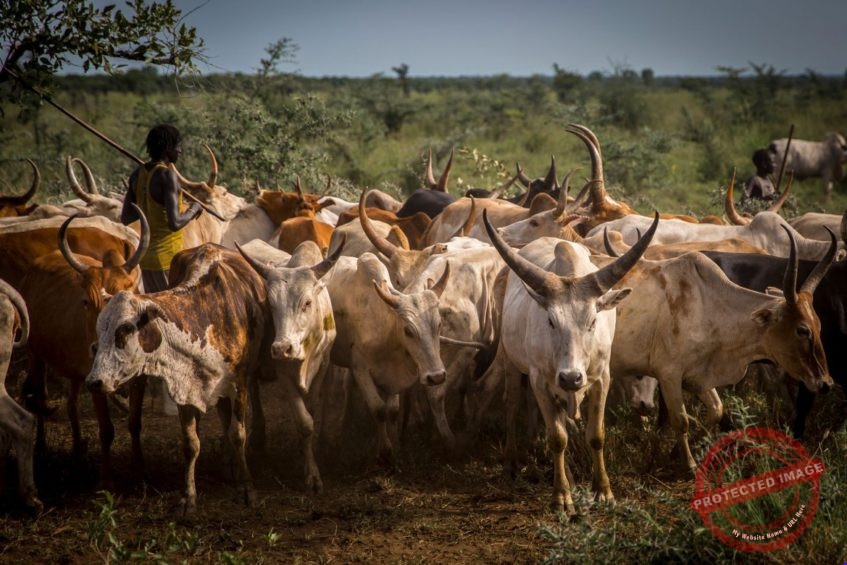
The governments of Western and Central Equatoria states say they are open to discussions with Lakes State on the temporary relocation of pastoralists facing worsening drought conditions, but have called for clear arrangements to protect farming communities.
The proposed relocation follows warnings by Lakes State authorities last week of possible water shortages and food insecurity after communities failed to cultivate crops.
The state proposed discussions with its neighbours on temporarily allowing pastoralists to move their livestock to grazing areas in Western and Central Equatoria.
Lakes State Information Minister William Koji said formal discussions with the two governments had not yet taken place, although the matter was raised during a meeting between the governors of Lakes and Central Equatoria states.
When contacted on Monday, Western Equatoria’s Minister of Information, Noah, said his government was willing to consider the proposal if proper arrangements were established to prevent conflicts with host communities.
“If there is any talk or any official communication with the government of Western Equatoria regarding the movement of the cattle to our state, it is welcome. This can be negotiated, this can be tabled, then the government will agree on the terms and conditions, because we don’t want to also harm the host communities,” Noah said.
He added that pastoralists would need clear guidance to prevent cattle from entering farms or causing disputes with local residents.
“Western Equatoria is ready, and I hope the authorities involved will have a clear guideline regarding the movement of cattle to any of these states,” he said.
Meanwhile, Central Equatoria State Minister of Local Government and Law Enforcement Agency, Naphtali Hassan, said his government had not received formal communication from Lakes State but was prepared to discuss the proposal.
Hassan, however, expressed reservations over the movement of cattle, citing previous experiences involving damage to crops and tensions between pastoralists and farming communities.
“If it so happens, then we’ll have to agree on a modality of how this can be done. Because it’s one thing to allow them come, but it’s also another thing to protect the interest of our people,” Hassan said.
He added that previous cattle movements had created challenges for farming communities.
“Our experience of movement of cattle has always been very bad because they don’t respect fields that are cultivated, crops that are planted in the garden. Those are some of the challenges that we have to agree on how this can be handled. Otherwise, it might create us a lot of unnecessary misunderstandings,” he said.
The proposed relocation is intended to help pastoralists cope with worsening drought conditions in Lakes State, where concerns have been raised over access to water and food supplies.
The three state governments have yet to reach a formal agreement on the proposed movement, with consultations on relocation arrangements and the protection of host communities still pending.