



Opinion: Things I love the most about India
India is a South Asian nation that occupies a vast landmass on the continent. It is widely recognized as the largest democracy in the world.. This is where you find Indian Ocean. Their language is Hindi and English as a working official language. It shares borders with China, Nepal, Bangladesh, and Myanmar, among others. The population is estimated at 1.34 billion.
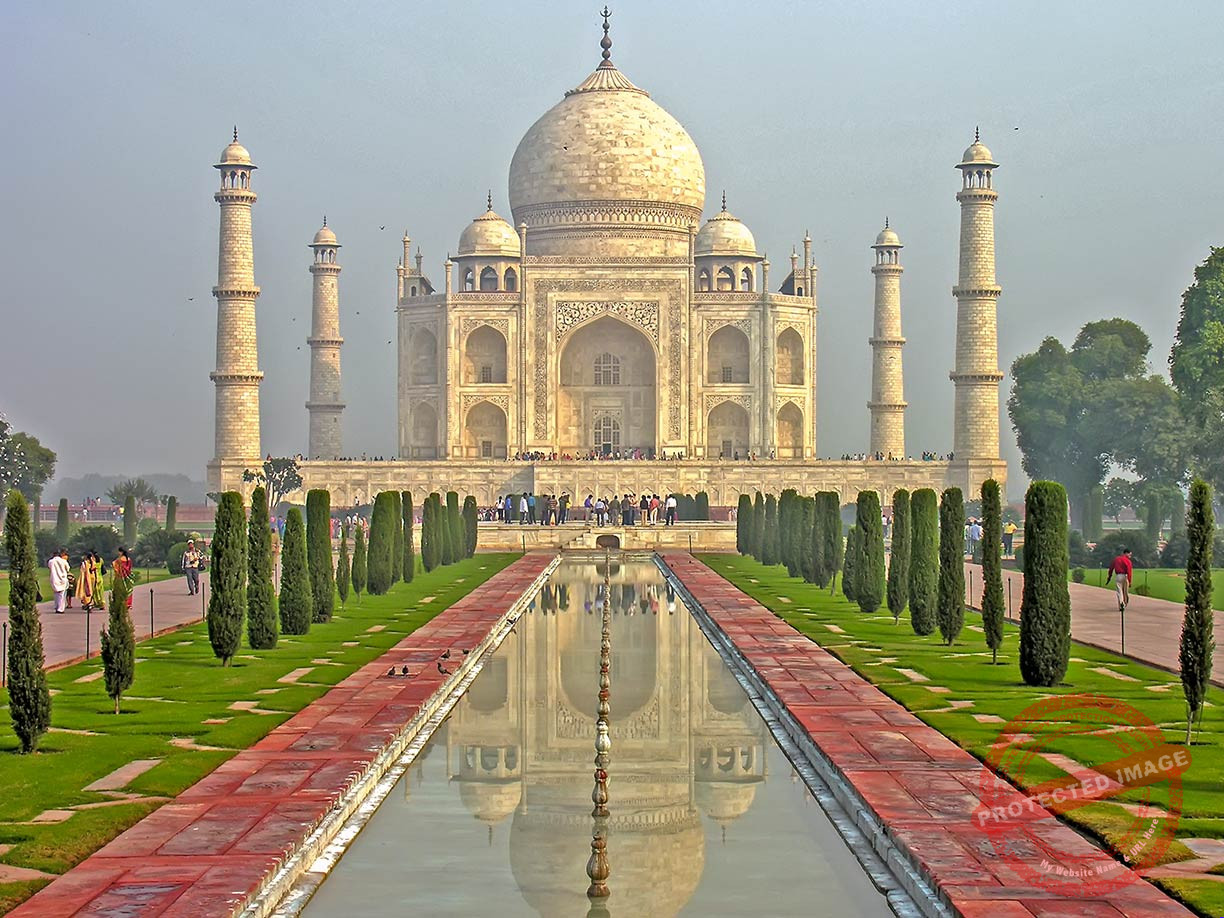
India is very rich in striking Heritage like Monuments, knowledge, historical architecture, arts and spiritual practices. Monument like Taj Mahal which is one of the Seven Wonders of the World is found in India, It is a cultural Mausoleum which attracts tourism. There is also Ajanta and Ellora Caves which are temples where they worship Hindu. Islam and Christianity are also some of the religions being practiced in India. Sun Temple is also a temple dedicated to the god of Sun. There are also practices like Yoga and others which are used for mental and physical health and wellbeing.
I also love talking about their religions as I said above like Hinduism, Buddhism, Jainism and Sikhism which are the places where their religions were born. India has 22 officially recognized languages. The major Festivals which are always celebrated countrywide are Diwali, Holi , they are events celebrating the power of good over evil things, there is also Eid that unite the people. I love the Cultural Diversity of India. Some of their cultures make them unique in the world like their language, traditions and norms.
The clothes, food and arts plus the festivals are some of the refined cultural things one would love about India. They speak varieties of languages and dialects as narrated in the introduction above. Their cultures are celebrated yearly at different intervals and it brings them together from all walks of life, religions, cultural and social background.
The Indian culture teaches respect for the elderly, hospitality, harmony and bond among the families; it also encourages peaceful coexistence among tribes. Despite all the cultural, linguistic and religious differences, that does not affect their unity and love among themselves. One cannot say he or she loves a lot of things about India without focusing or paying attention to the marriage cultures there.
Marriages, in India, are sacred and things that bind different families, communities and tribes with no blood relation, together. Like in some African settings, the family looks for a respectable and modest family where their son can marry. They also have to study the family of the man who comes or wants to marry their daughter.
In this case, much attention is paid to the parental upbringing, respect, socio-economic status, level of education, family or ancestral background, regions beliefs; moral values are taken into consideration. Similarities in cultures are also taken into an account. Christian weddings are held in the churches where vows are taken and in turns, the couples are asked questions in conformity with Christian religious traditions.
Muslims and Hindus or Buddies do theirs according to their religious cultures. All are done like in most cultures in Africa starting where ceremonies are performed with receptions and dancing. At the end, gifts and bride wealth are paid to both couples although soon, the Indians want to abolish this issue of paying dowries or bride-wealth. After the wedding, the couples choose where they want to go for a honeymoon. Courting used to be done physically previously but with the invention of the technology, partners meet and date on line.
Indians are very hospitable and is part of their culture. They consider the guest as somebody special and god-sent. As such, they are treated with utmost respect and an immeasurable kindness. The guests are served with special meals and varieties of dishes. At Functions, they are first served and seated in the front seats.
The Inspiring journey towards remarkable progress in India.
Since gaining Independence in 1947 from the Great Britain, India made a lot of progress in its economic developmental policies, ICT, education, public utilities and health care system. As of now, India is one of the largest and fast-growing world economies with large industrial factories and technology which are useful in pharmaceuticals and agricultures. With the introduction of technical and technological advancement, India managed to succeed in launching satellite missions in 2023.
They are ahead of many countries in running digital government and their internet services are the best in the world with factories manufacturing telephones, computers and other electronics. India has become one of the most progressive countries in the world where engineering, medicine and researches have taken the centre stage. They have a standard public health programs with vaccines being manufactured. India has well staffed, well equipped and state-of-the art hospitals.
Most countries in Africa refer their patients to India to access advanced health care management and critical care. Students are sent to India from Africa and across the globe to study medicine, Engineering ranging from civil and ICT, among many others. All that is achieved through hard work and lucrative businesses subsidized by the government through business communities like farmers, entrepreneurs and through tax regulation. In the meantime, India is working to cope with environmental hazards, reduction or eradication of poverty through subsistent agricultural activities and to ensure that all Indians have access to education and universal health care across the country.
Indians are not selfish with their expertise, experience and knowledge. They are now investing in many sectors like in African countries. They are involved in road construction, pharmaceutical factories, infrastructures and training of manpower and also in consular and diplomatic services. They are offering scholarships and grants in Engineering, Pharmacology and medicine to African governments and this is usually done through a memorandum of understanding.
Editor’s Note: The views and opinions expressed in this article are those of the author and do not necessarily reflect the editorial policy or position of Eye Radio.
About the Author: Pal Chol Nyan is a South Sudanese writer and commentator based in Juba. He can be reached via Phone/WhatsApp at +211 922 285 000 or by email at palcholnyan2016@gmail.com.