



OPINION: PPC under public scrutiny: What next for South Sudan’s political parties?
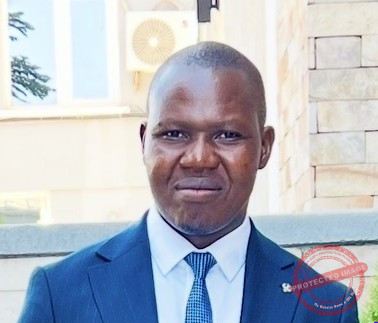
The South Sudan Political Parties Council (PPC), led by Hon. Eng. James Akol Zakayo, has decided to subject itself to public scrutiny over its integrity at the earliest stage.
I am referring to the press release made by the tripartite triumvirate comprising Dr. Lam Akol Ajawin, leader of NDM; Hon. Moro Genesio, leader of SSNMC; and Mr. Bol Joseph Agau, NDM Secretary-General.
According to these leaders, they reported alterations to their names as legitimate leaders of their parties, as adopted during the registration process, adding that their names have been replaced by different leaders by the PPC. They said the Federal Democratic Party (FDP) is equally affected, as the party’s logo has been compromised.
The party leaders, in their press release, further cited the registration of seven (7) additional parties after the official deadline of 30 June set forth by the PPC. According to the leaders, the PPC previously announced the registration of 39 political parties that met the deadline, were fully registered, and were eligible to participate in the elections. They questioned how the deadline had been extended to allow new parties to register.
These aggrieved officials accused PPC Chairman James Akol Zakayo of issuing an order that affected changes in party leaders’ names. They attributed the move to a blueprint to exclude them from contesting in the forthcoming elections and to purge their parties through internal divisions.
What We Know About the Parties (NDM and SSNMC):
1. Both parties were members of the South Sudan Opposition Alliance (SSOA), a signatory to the R-ARCSS.
2. Both parties have been struggling with internal leadership crises. NDM, for instance, has never settled the dispute between Dr. Lam Akol and Mahjoub Biel Turuk. In February 2026, an NDM faction led by Biel and Hon. Peter Lomude Francis declared the ousting of Dr. Akol from the party chairmanship.
3. SSNMC slipped into transition turmoil in 2021 after its former leader, Hon. Bangasi Bakosoro, left the party and rejoined his former SPLM party. A faction led by Hon. Moro Genesio convened and elected Moro as the new party leader. The move was contested by Hon. Clement Juma Mbogoniwia, who called the election of Moro null and void. Juma continued to command a faction parallel to Mr. Moro’s mainstream.
4. The role of SSOA: Right from the formation of the RTGoNU, SSOA leaders demonstrated a lack of consensus and trust within their camp. They couldn’t agree to nominate a single candidate for the SSOA VP quota. Whereas Hon. Josephine Lagu was the Chairman of the alliance, they refused to endorse her. Every party leader nominated themselves. In such an impasse, they surrendered themselves to the man under the hat in J1.
Living by the proverb that says, “When two brothers fight, a stranger inherits their treasures,” Kiir enjoyed being told to appoint whoever he liked among the five SSOA leaders. He promptly opted for Hon. Abdel Bagi Akol.
Kiir’s appointment of Abdel Bagi sparked a new rivalry between Abdel Bagi and Josephine Lagu. Some SSOA members, including Lam Akol and Moro Genesio, continued to pay tribute to the leadership of Josephine Lagu, while others followed Abdel Bagi.
With Abdel Bagi as VP, although Lagu would later claim the same seat, most allies of Josephine Lagu in SSOA were fired from their positions. Critics attributed these actions to the handiwork of Abdel Bagi. Consequently, Clement Juma, an ally of Abdel Bagi, was appointed Minister of Agriculture & Food Security. He held that portfolio until the recent dissolution of the RTGoNU.
These are the genesis of the changes that have occurred overnight at the PPC. This takes us to the question: what next?
1. The PPC has overridden its legal mandate as a nonpartisan institution that upholds the integrity of the stewardship of public trust. The leadership of Eng. Zakayo is subject to public and legal scrutiny if the allegations made by these leaders are true.
2. Call for Disqualification of the Additional Political Parties: With the PPC Act having 30 June as the deadline for all parties that wish to participate in the election to register, the new parties should be disqualified by the Elections Commission.
3. Legal Action: The affected party leaders should seek litigation in the courts of law. The PPC will be the first respondent and the new party leaders the second respondents.
4. Disqualification of Parties with Internal Disputes from Participating in the Elections: The National Elections Commission (NEC) should disqualify all candidates from these parties from participating in the polls.
Opposition groups in South Sudan have, on numerous occasions, proven that they have neither better leadership nor a better governance agenda than the regime they wish to change. If they cannot amicably and reasonably resolve internal party transitions, how can they govern a country as complex as South Sudan?
DISCLAIMER: The views and opinions expressed in this article are those of the author and do not necessarily reflect the official policy or position of Eye Radio.
Author: Gizam Moses is a Civil Society Activist and Political Commentator. He can be reached at: gizam17@gmail.com