
2nd September 2026
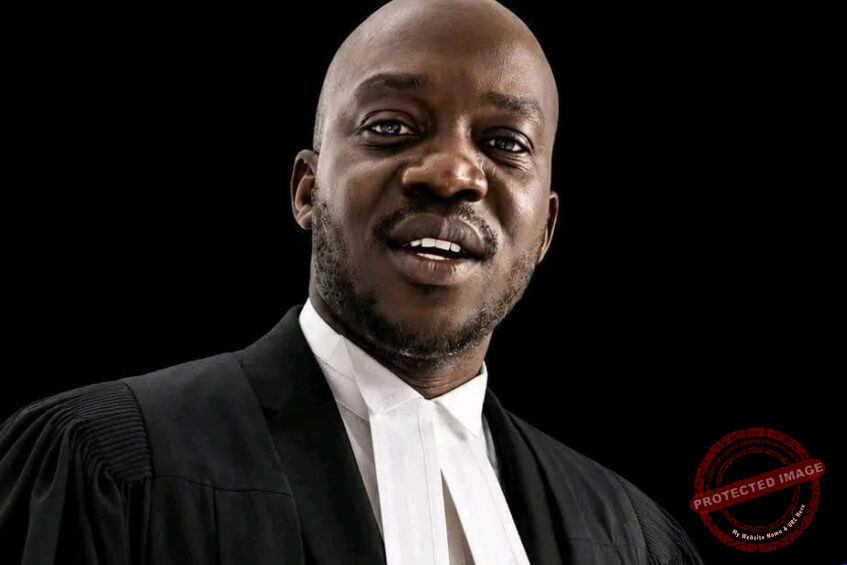
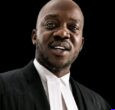
Advocate Santio Daniel - Legal Expert - courtesy
A legal expert says Swedish courts have jurisdiction to hear the ongoing Lundin Oil case for 1990s Unity State oil abuses because of the severity of the alleged crimes and a sufficient legal connection between the case and Sweden.
Santio Daniel also says South Sudan does not, based on the current circumstances, bear direct criminal responsibility for the case involving former executives of Swedish oil company Lundin Oil.
The case dates back to the 1990s, when Lundin Oil obtained rights in 1997 to explore for and produce oil in Block 5A, in what was then Unity State in Sudan.
The area later became part of the territory of the Republic of South Sudan following the country’s independence in July 2011.
According to allegations presented in the case, between 1999 and 2003, the area witnessed extensive military operations linked to efforts to secure conditions for oil exploration and production.
The allegations include serious abuses against civilians, including killings, the burning of villages, forced displacement and alleged sexual violence.
The expert says these alleged abuses form an important humanitarian background to the case currently before the Swedish courts.
On Swedish jurisdiction, the expert says Swedish prosecutors brought charges involving alleged war crimes, crimes against humanity, forced displacement and genocide.
He explains that Sweden’s Supreme Court found that the alleged crimes could fall under Swedish law, including the principle of universal jurisdiction, because there was a sufficient legal connection between the case and Sweden.
According to the expert, one of the connections is that the individuals associated with Lundin Oil were Swedish. The Swedish Supreme Court also found no general barrier under international law preventing Sweden from hearing the case.
The expert says the timing of the alleged crimes is also important in understanding why the case is being handled by Swedish courts rather than the International Criminal Court.
He says most of the alleged events occurred between 1997 and 2003, while the International Criminal Court began operating in 2002, and criminal law generally cannot be applied retroactively to acts committed before the applicable legal framework came into force.
On whether South Sudan could bear legal responsibility, the expert says the current case is directed against individuals and former executives associated with Lundin Oil, and not against the Government of South Sudan.
He stresses that the alleged events occurred before South Sudan became an independent state in July 2011.
The expert says South Sudan therefore did not exist at the time as an independent state with separate international legal personality.
He argues that the fact that the alleged crimes occurred in territory that later became part of South Sudan is, by itself, not sufficient legal grounds to impose criminal or civil responsibility on the current South Sudanese state.
Any attempt to establish responsibility, he says, would require a clear and independent legal basis, either through an agreement between the relevant states or under applicable international law.
Despite this, the expert is urging the Government of South Sudan to closely monitor the proceedings because the outcome could have indirect implications for the country’s oil sector and investment environment.
He says the case could influence how international investors, companies and financial institutions assess the legal risks of operating in areas affected by armed conflict.
The expert adds that South Sudan should follow the case closely to anticipate any possible implications for oil production, foreign investment and companies operating in former conflict-affected areas.
He concludes that international responsibility is governed by specific legal rules and cannot simply be assumed because alleged crimes took place in territory that later became part of another state.
The expert says there is currently no clear legal basis for holding the Republic of South Sudan responsible for the events at the centre of the Lundin Oil case simply because the territory later became part of South Sudan.
Currently on air
09:00:00 - 12:55:00
 1
1Published August 29, 2026
 2
2Published August 30, 2026
 3
3Published 22 hours ago
 4
4Published August 28, 2026
 5
5Published August 31, 2026
 6
6Published August 31, 2026
 7
7 8
8Published August 31, 2026

Published 12 hours ago

Published 15 hours ago

Published 15 hours ago

Published 16 hours ago

Published 16 hours ago
Support Eye Radio, the first independent radio broadcaster of news, information & entertainment in South Sudan.
Make a monthly or a one off contribution.
Copyright 2026. All rights reserved. Eye Radio is a product of Eye Media Limited.