





Ateny versus Ateny: who changed, the man or the message?
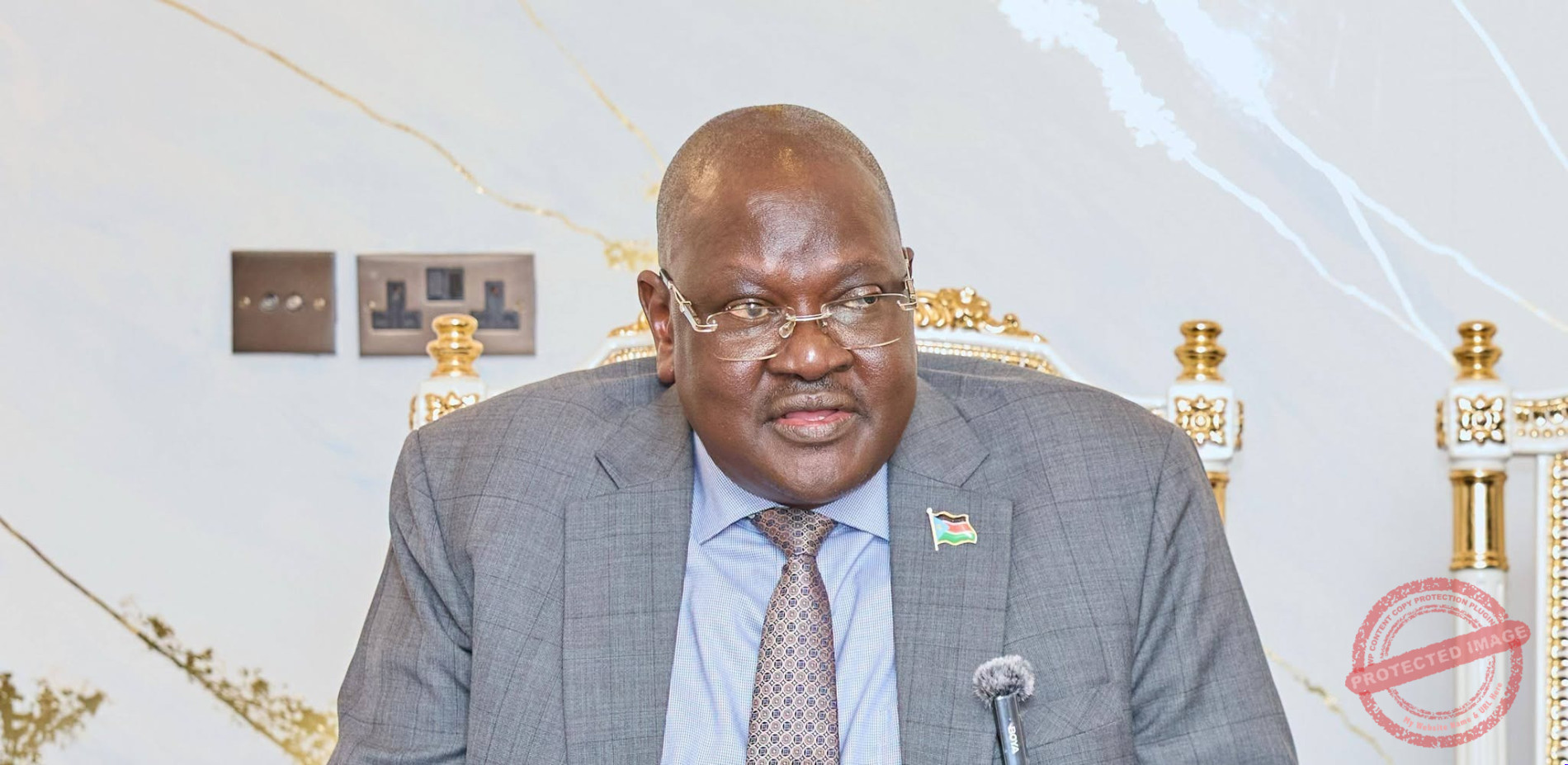
In politics, there are moments when a politician’s own words return to haunt him. For South Sudan’s Minister of Information, Communication Technology and Postal Services, Ateny Wek Ateny, that moment has arrived.
On October 25, 2024, Ateny was not a minister. He was a citizen, a commentator, and a fierce critic of the country’s telecommunications sector. In a widely circulated article, he accused regulators of neglecting consumer protection while allowing telecom companies to “slaughter consumers at whim.” He questioned whether authorities cared more about collecting taxes than protecting ordinary South Sudanese from exploitative tariffs.
His words resonated with millions.
At a time when internet access had become a necessity rather than a luxury, Ateny spoke the language of struggling citizens. He condemned excessive tariffs, lamented the disappearance of affordable call packages, and warned that rising costs were pushing the population into a digital dark age. He portrayed himself as a defender of consumers against powerful telecom interests.
Then fate handed him the very office from which he could implement the reforms he passionately demanded.
On November 17, 2025, President Salva Kiir appointed Ateny Wek Ateny as Minister of Information, Communication Technology and Postal Services. Citizens celebrated. Finally, many thought, a man who understood their frustrations was now in a position to act.
The expectations were enormous.
Shortly after assuming office, Ateny reportedly convened meetings with telecommunications operators and publicly expressed his desire to see tariffs reduced. It was a welcome gesture. But gestures do not lower prices. Results do.
Today, more than seven months later, citizens are confronting a different reality. Instead of tariff reductions, they are waking up to announcements of tariff increases. The National Communications Authority, one of the institutions operating under the ministry’s oversight, has approved measures that make communication services even more expensive for an already struggling population.
The same citizens who applauded Ateny’s appointment are now asking uncomfortable questions.
What happened to the man who described telecom operators as entities “milking the consumer”?
What happened to the promise of affordable communication?
What happened to the conviction that internet access should not be beyond the reach of ordinary South Sudanese?
These questions are not being asked by political opponents. They are being asked by the very people who believed him.
Of course, governing is more difficult than criticizing. Every minister quickly discovers that problems are more complex from inside the office than they appear from outside. Telecom companies cite operational costs, inflation, exchange rates, infrastructure challenges, taxation, and security concerns. These realities cannot be ignored.
But neither can political accountability.
Leadership is tested not by the promises made before appointment, but by the decisions defended after appointment.
If Ateny’s 2024 article reflected his genuine beliefs, then citizens deserve an explanation for why tariffs continue moving in the opposite direction. If the obstacles are beyond his control, he should tell the public. If telecom operators rejected his proposals, he should say so openly. If government policies elsewhere are driving costs upward, he should explain that too.
Silence only creates the impression that yesterday’s outrage was today’s campaign speech.
South Sudanese are not demanding miracles. They understand the economic difficulties facing the country. What they seek is honesty and consistency.
Ateny once asked whether regulators had the public interest at heart. Today, that same question is being directed at him.
The challenge before the minister is simple but profound: prove that his criticism was more than an application letter for public office.
Because if a man condemns a system one day and defends its outcomes the next, citizens are left wondering whether the problem was ever the system at all.
And in politics, there is no harsher verdict than a public that stops believing its leaders mean what they say.