
Eye Radio website suspension unauthorized in Capital Pay Kisumu lawsuit, judge says Eye Media is not a defendant
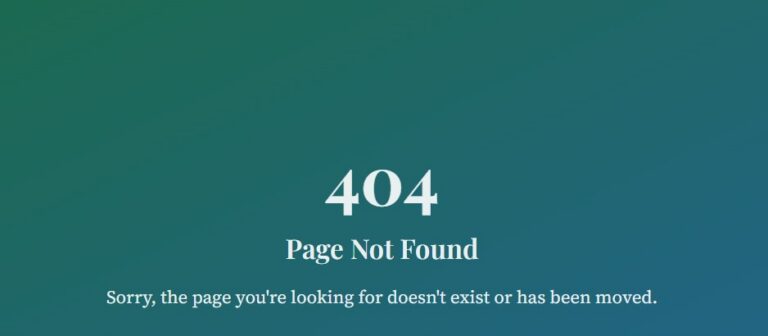
The website has been inaccessible since September 10, with visitors receiving a “404 page not found” message saying the page they are looking for does not exist or may have been moved.
Staff
Eye Radio has been unable to access its main website and 23-year digital archive since September 10 after an emailed document purporting to be an interim court order was used to take the site offline in connection with a lawsuit filed by Capital Pay International Limited.
Eye Radio did not publicly announce the website shutdown when it occurred. The broadcaster is now making the circumstances public following Thursday’s court proceedings in Kenya, where a judge said Eye Media, the company behind Eye Radio, was not among the defendants before the court.
The website has been inaccessible since September 10, with visitors receiving a “404 page not found” message saying the page they are looking for does not exist or may have been moved.
The shutdown came without prior notice of the legal complaint, according to Eye Radio.
According to an email received by Eye Radio Administration, an interim court order dated September 7 was relied upon to direct its hosting provider to take the website offline.
The document bears the name of Kisumu High Court Judge Joe M. Omido and followed an application by Apex Legal Handlers, acting on behalf of Capital Pay International Limited.
The case, titled Capital Pay International Limited v. Google LLC, Microsoft Corporation and 34 others, was filed before the Kisumu High Court in Kenya in September 2026.
Judge questions Eye Media’s status
Capital Pay’s court documents received by Eye Radio via an email purported to identify Eye Media as one of the parties in the proceedings.
Based on that information and following the shutdown of its website, Eye Media sought legal representation to establish its position in the case.
The development took a new turn on Thursday when Eye Radio’s lawyer told the court that Eye Media was among the seven defendants in the matter.
“Seven defendants in this matter,” the lawyer told the court. When the judge asked which defendant he was referring to, the lawyer responded:
“That is Eye Media.”
The judge then asked: “What’s your client’s name, Mr. Miranga?”
The lawyer replied:“My client is Eye Media|Eye Radio.”
The judge then said Eye Media was not among the defendants before the court. “They are the seven defendants in the matter. This matter has only four defendants. And the name you are giving me is not part of the defendants. It’s not part of the four. Because we have Google, LNC, Microsoft Corporation, Meta Platforms, and Xcom.”
The exchange has raised questions about the circumstances under which Eye Radio’s website was taken offline and the status of the document received by the broadcaster.
Eye Radio is seeking clarification on the discrepancy between the document it received and the position stated by the Kenyan judge in court.
The broadcaster is not, at this stage, drawing conclusions about how the discrepancy arose.
Other publishers named in case
Capital Pay’s proceedings also name other publishers and publication operators, including Radio Tamazuj, Kenya Insights, Asempa Limited, publisher of Africa Confidential, Indigo Publications SAS, publisher of Africa Intelligence, Africa Press, JamiiForums and OpenPetition.vip.
Eye Radio says its website is the only one among the named publishers that has been affected by the court order.
Capital Pay’s allegations
According to the lawsuit which named Capital Pay, the document identifies four Eye Radio publications that it considers defamatory.
They include:
- “Parliament urged to probe Crawford Capital digital revenue system”, published in March 2026.
- “Crawford digital firm under corruption sanctions fiercely defended by government”, published in May 2026.
- A COVID-19 probe report published by Eye Radio in 2022.
- “Collection of 6% from COVID-19 labs illegal – probe committee”, published in November 2022.
However, Eye Radio management said the reports were based on official government statements, press releases, UN investigations and other sources.
The broadcaster maintains that it reported on the issues in accordance with its editorial standards.
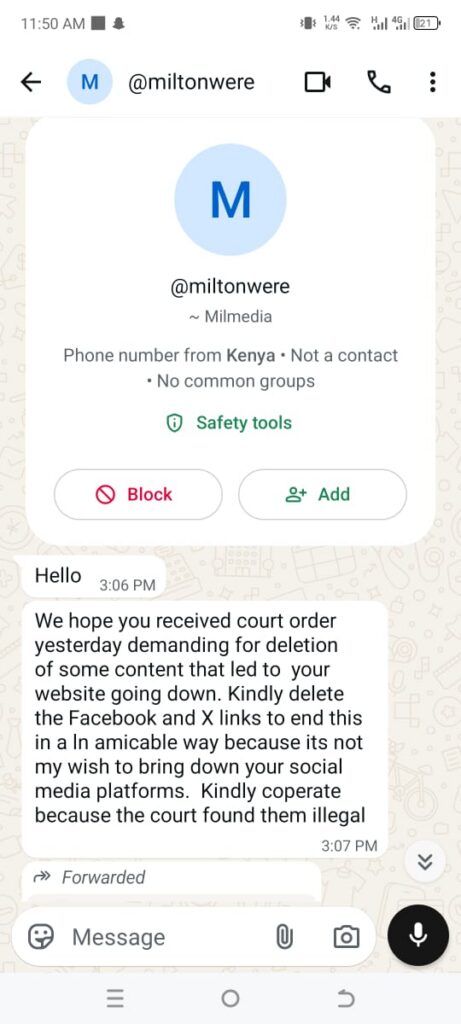
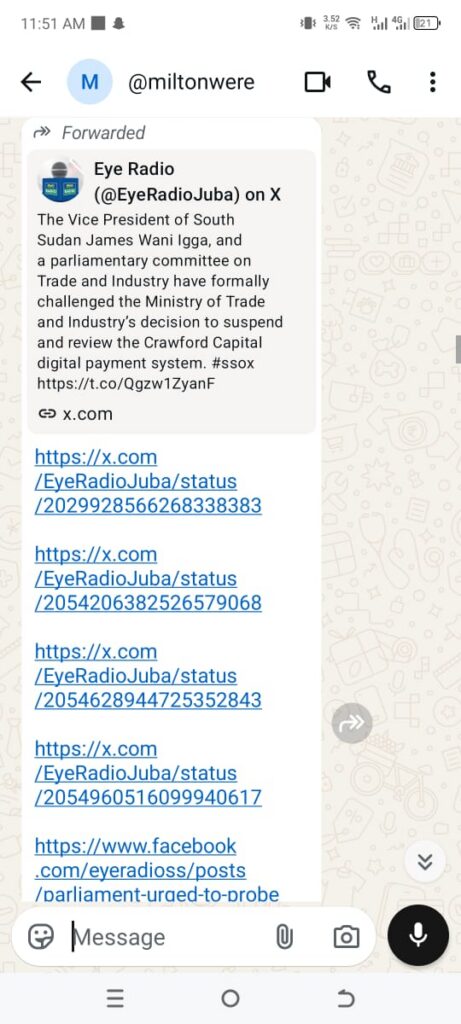
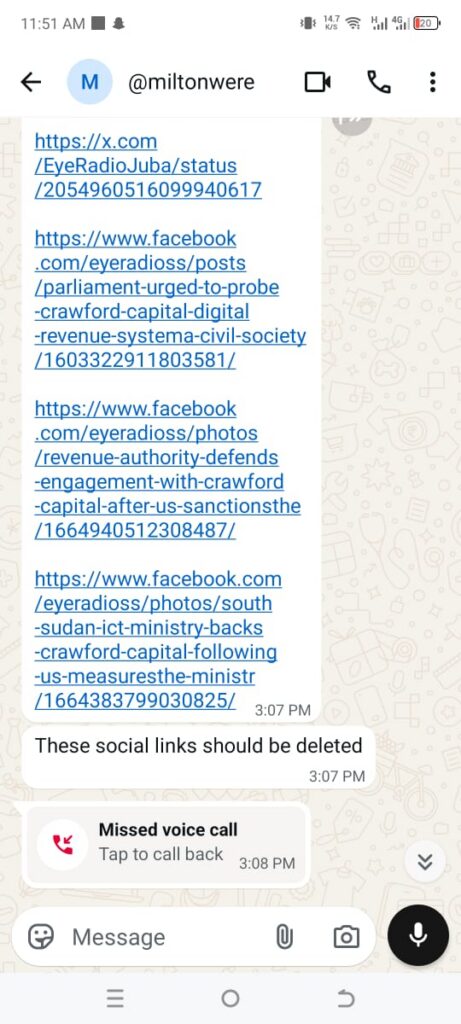
Adding to the digital suppression, Eye Radio revealed that an anonymous entity recently sent threatening messages to the station’s official WhatsApp account. The sender threatened to bring down Eye Radio’s X (formerly Twitter) and Facebook accounts unless the broadcaster deleted specific news reports based on official government statements regarding Capital Pay.
Website shutdown cuts access to 23-year archive
The immediate effect of the shutdown has been the loss of public access to Eye Radio’s website and its digital archive, containing 23 years of news reports and other content.
Eye Radio says the shutdown has temporarily deprived the public of access to a substantial archive of South Sudanese news and information.
The broadcaster has also raised concerns about the impact of the shutdown on media access and freedom of expression.
Eye Radio cites Article 24 of the South Sudan Constitution, which provides for freedom of expression, reception and dissemination of information, publication and access to the press, subject to limitations prescribed by law.
As the proceedings continue in Kenya, Eye Media is seeking clarification on the circumstances under which its website was taken offline and its status in the case.
The Eye Radio website remained inaccessible as of Thursday, September 17. Eye Media is now seeking a court order directing its hosting provider, Hostinger, to restore the website.