
Don’t gamble with elections; It must be held rightly, safely and properly, says Dr Okuk
South Sudanese political analyst Dr. James Okuk has warned that rushing the country into elections without first addressing outstanding political, legal and security challenges could create more problems instead of resolving existing ones.
Lasuba Memo
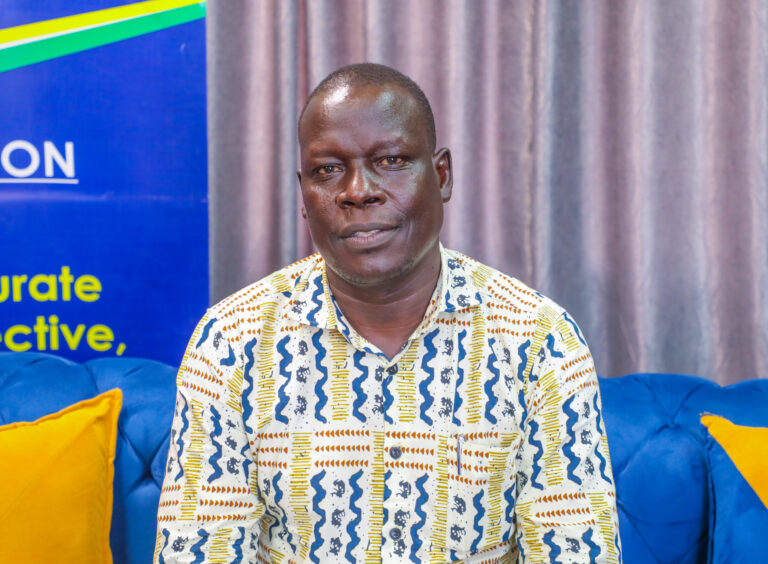
South Sudanese political analyst Dr. James Okuk has warned that rushing the country into elections without first addressing outstanding political, legal and security challenges could create more problems instead of resolving existing ones.
Okuk said an election should not be viewed simply as a solution to dissatisfaction with the Revitalized Transitional Government of National Unity, arguing that the process must be conducted in a manner that protects the country from further instability.
“Election which is not done properly is not a solution, actually is a problem,” Okuk said.
“If there is anybody who think that they are fed up of this revitalized government of national unity because they are not delivering what they promised to deliver, so they want to replace them with an elected government, then this should be done rightly and safely and properly.”
He said an election conducted outside the framework of the Revitalized Peace Agreement could add another layer of political problems to those the country is already struggling to resolve.
According to Okuk, the risks extend beyond the voting day itself. He argued that proceeding before the necessary reforms are completed could leave the country with elections operating under an incomplete and fragmented legal framework.
He called for the completion of the permanent constitution before major electoral and legislative reforms are undertaken, saying the constitution should provide the foundation for election laws, political parties legislation and other laws governing the country.
Okuk also pointed to the capacity of the National Elections Commission as a potential challenge. He said the commission needs to be properly constituted according to the law, adequately resourced and given sufficient managerial capacity to handle the complexity of a national election.
He stressed that the election could involve multiple ballots, making preparation, logistics, training and civic education critical well before polling day.
Security, he said, presents an even greater risk. “Don’t gamble with election when the security is not in place,” Okuk said, while welcoming the ongoing training and mobilisation of police forces for election security.
He argued that any serious security setback could undermine other preparations for the polls, and said the police should ordinarily take responsibility for election security, with the army becoming involved only in cases of serious security threats.
Okuk further warned that unresolved grievances could undermine public confidence in the electoral process. He said South Sudanese communities continue to carry bitterness and resentment from years of conflict and that transitional justice and reconciliation remain important to creating conditions for a peaceful political transition.
Okuk, meanwhile, said preparations for elections should not stop even if the polls are postponed.
“Election is not done on the day of the voting,” he said, calling for continued work on electoral infrastructure, computers, training and civic education.
He also urged South Sudan to seek technical assistance from regional and international experts, noting that the country has limited experience independently organising national elections.
Okuk said the objective should not be to avoid elections, but to ensure that when they are held, they are conducted within a credible legal, institutional and security framework.
“Nobody is against election, by the way, because it is the right of the people to elect their leaders,” he said.